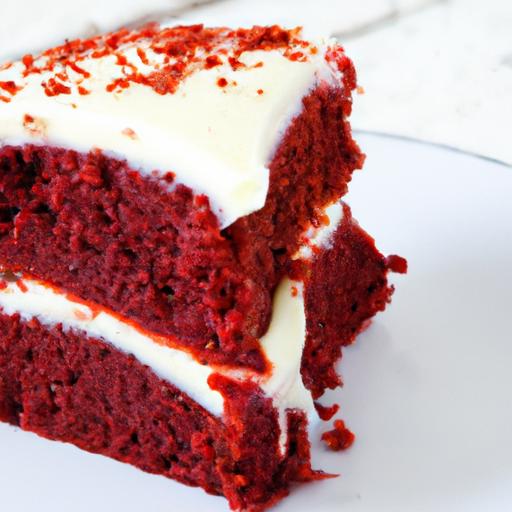

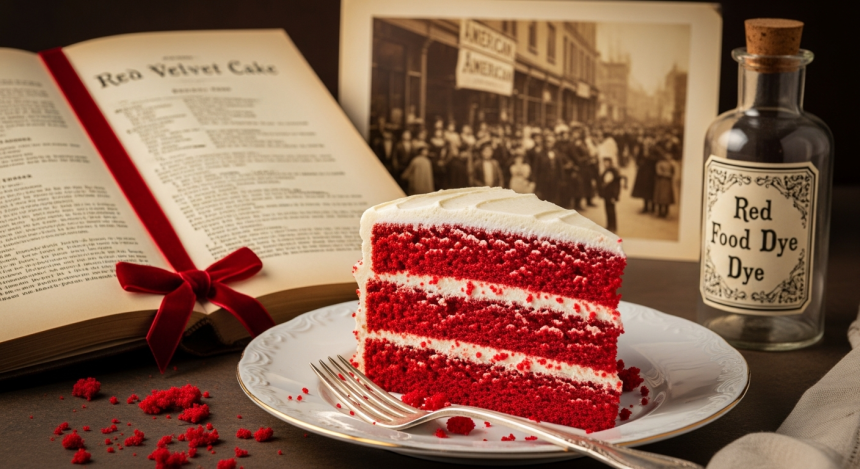
Deep crimson layers,velvety texture,and a subtle tang that dances on the tongue-red velvet cake is more than a dessert; it’s a confectionary legend steeped in history and brimming with allure. From Southern picnic tables to glamorous hollywood celebrations, this cake’s journey weaves through time, culture, and culinary innovation. In unraveling the rich history and irresistible charm of red velvet cake, we discover not only a beloved treat but also a story of tradition, conversion, and timeless indulgence that continues to captivate dessert lovers around the world.
The Rich History and Irresistible Charm of Red Velvet Cake is more than just a sweet indulgence; it’s a culinary journey steeped in tradition and transformation. This vibrant dessert enchants with its signature deep crimson hue and delicate crumb, inviting bakers and food lovers alike to explore the origins and evolution of a cake that has captured hearts worldwide. Whether you’re a seasoned baker or a curious novice, uncovering the secrets behind red velvet’s unique flavor and texture will inspire your next baking adventure.
Prep and Cook Time
- Preparation: 20 minutes
- cooking: 30 minutes
- Cooling: 1 hour
- Total Time: 1 hour 50 minutes
Yield
- Serves 12 generous slices
Difficulty Level
- Medium – Perfect for bakers ready to impress with a showstopping classic
Ingredients
- 2 ½ cups all-purpose flour, sifted
- 1 ½ cups granulated sugar
- 1 teaspoon baking soda
- 1 teaspoon fine sea salt
- 1 teaspoon unsweetened cocoa powder
- 1 ½ cups vegetable oil
- 1 cup buttermilk, room temperature
- 2 large eggs, room temperature
- 2 tablespoons red food coloring (liquid or gel)
- 1 teaspoon pure vanilla extract
- 1 teaspoon white vinegar
- For the Cream Cheese Frosting:
- 8 oz cream cheese, softened
- ½ cup unsalted butter, softened
- 4 cups powdered sugar, sifted
- 1 teaspoon pure vanilla extract
Instructions
- Preheat your oven to 350°F (175°C). Lightly grease and flour two 9-inch round cake pans for easy release.
- In a large bowl, sift together the all-purpose flour, cocoa powder, baking soda, and sea salt. This ensures an even distribution of dry ingredients and a tender crumb.
- In a separate bowl, whisk the vegetable oil, sugar, eggs, buttermilk, red food coloring, vanilla extract, and white vinegar until smooth and fully combined. The vinegar reacts with baking soda,helping the cake rise and intensifying the red hue.
- Slowly add the dry ingredients to the wet mixture, folding gently with a spatula until just combined. Overmixing can make the cake tough, so fold carefully to maintain moisture and airiness.
- Divide the batter evenly between the prepared pans.Tap the pans gently on the counter to release any air bubbles.
- Bake for 28-32 minutes or until a toothpick inserted into the center comes out clean. Avoid opening the oven frequently, which can cause uneven rising.
- Remove cakes from oven and let them cool in pans for 10 minutes before transferring onto wire racks to cool completely.
- For the frosting,beat the softened cream cheese and butter on medium speed until smooth and creamy. Gradually add powdered sugar and vanilla extract, continuing to beat until light and fluffy.
- Once the cakes are fully cooled, spread a generous layer of cream cheese frosting over one layer. Top with the second cake and frost the top and sides evenly.
- Chill the assembled cake for at least 30 minutes before slicing to allow the frosting to set beautifully and the flavors to meld.
Chef’s Notes: Tips for Success
- Red food coloring: For an intense, vibrant hue, gel food coloring is preferable to liquid, as it doesn’t alter the batter’s consistency.
- Buttermilk substitute: If unavailable, combine 1 cup of milk with 1 tablespoon vinegar or lemon juice and let it sit for 5 minutes.
- Measuring flour: Avoid measuring by scooping directly from the bag. Spoon the flour into your measuring cup and level off gently to prevent a dense cake.
- Make-ahead: Bake the layers a day in advance, wrap tightly, and refrigerate. Bring to room temperature before frosting.
- Variations: Add a teaspoon of espresso powder to the batter for a subtle depth, or incorporate finely chopped nuts between layers for added texture.
Serving Suggestions
Slice and serve on delicate white porcelain plates to highlight the red velvet’s dramatic color. Garnish with fresh raspberries, a sprig of mint, or a dusting of cocoa powder for a refined touch. Pair with a warm cup of spiced chai or a classic café au lait to complement the cake’s luscious, velvety texture.For special occasions, layer the cake with fresh whipped cream and sliced strawberries for a luxurious finish.
| Nutrient | Per serving (1 slice) |
|---|---|
| Calories | 450 kcal |
| Protein | 5 g |
| Carbohydrates | 58 g |
| Fat | 22 g |
Discover more delightful frosting recipes to complement your baking creations. For an expert overview of how to master texture and flavor in cakes, visit the Serious Eats baking guide.

Q&A
Q&A: The Rich History and Irresistible Charm of red velvet Cake
Q1: What is red velvet cake, and why does it stand out among other cakes?
A: Red velvet cake is a luxurious dessert celebrated for its striking crimson color, velvety texture, and subtle cocoa flavor. unlike traditional chocolate cakes,its slightly tangy taste,paired with smooth cream cheese frosting,creates a harmonious blend that’s both visually stunning and delectably unique. Its charm lies in this perfect balance of flavor, texture, and vibrant appearance.
Q2: Where did red velvet cake originally come from?
A: The origins of red velvet cake trace back to the early 20th century in North America, with conflicting stories linking it to Southern baking traditions and upscale hotels like the Waldorf Astoria in New York City. The “velvet” in its name refers to the cake’s soft, velvety crumb-a result of using buttermilk and vinegar, which tenderize the flour proteins and react with baking soda to create a distinct texture.
Q3: How did red velvet cake get its signature red color?
A: Originally,the deep red hue was subtle,naturally resulting from the chemical reaction between cocoa powder and acidic ingredients like vinegar and buttermilk. The shift toward a luminous, vibrant red came in the mid-20th century with the introduction of red food coloring. This vivid shade became a hallmark of the cake, symbolizing romance and indulgence, especially popular around Valentine’s Day and Christmas.
Q4: Has red velvet cake always been made the same way?
A: Not exactly. Over time, the recipe has evolved.Early versions were often dense and chocolatey, while modern renditions tend to be lighter and fluffier, treating the red velvet more like a lightly flavored chocolate cake. Toppings and frostings have also shifted-from simple boiled icings to the beloved cream cheese frosting known today, adding that tangy sweetness that perfectly complements the cake’s richness.
Q5: What makes the cream cheese frosting so essential to red velvet cake?
A: cream cheese frosting is red velvet cake’s perfect partner-it’s creamy, slightly tangy, and luxuriously smooth, enhancing the cake’s delicate cocoa notes without overwhelming them. This frosting adds a luscious contrast to the cake’s soft crumb, making each bite a melt-in-your-mouth experience that’s both comforting and indulgent.
Q6: How has red velvet cake remained popular through the years?
A: Red velvet cake’s enduring appeal lies in its blend of nostalgia and sophistication. It’s a timeless classic frequently reinvented to suit contemporary tastes-from cupcakes and cheesecakes to latte flavors and even savory dishes. Its eye-catching color and rich story also captivate food lovers,making it a staple for celebrations and everyday treats alike.
Q7: Can red velvet cake be enjoyed beyond traditional celebrations?
A: Absolutely! while it’s frequently enough associated with holidays and special occasions, red velvet cake’s inviting flavor and elegant appearance make it a delightful choice anytime. Coffee breaks, family gatherings, or even an indulgent self-treat can be elevated with a slice of this historically rich and charming dessert.
Q8: What are some modern twists on the classic red velvet cake?
A: creative bakers have pushed red velvet beyond its classic borders by incorporating it into layered parfaits, donuts, ice cream, and even pancakes. Vegan and gluten-free versions keep it accessible to more people, while infused frostings-think lavender or caramel-add fresh flavor notes. The cake’s vibrant red layers continue to inspire inventive presentations that celebrate its heritage while embracing innovation.
Red velvet cake is more than just a dessert; it’s a story of culinary evolution, cultural meaning, and timeless indulgence wrapped in a velvet-soft slice of history. Whether you savor it as a traditional treat or a modern twist, red velvet cake promises an irresistible charm that’s hard to beat.
Closing Remarks
From its storied beginnings in Southern kitchens to its rise as a beloved dessert icon worldwide,red velvet cake weaves together history,culture,and a touch of mystery in every bite. its vibrant hue and velvety texture are more than just a feast for the senses-they’re a tasty testament to tradition and innovation blended seamlessly over time. Whether enjoyed at a festive festivity or a quiet afternoon teatime, red velvet cake continues to captivate hearts, reminding us that some flavors are timeless treasures. As we savor each luscious slice, we’re not just tasting cake-we’re indulging in a rich narrative baked into every crumb, inviting us to discover and delight in its charming legacy anew.