
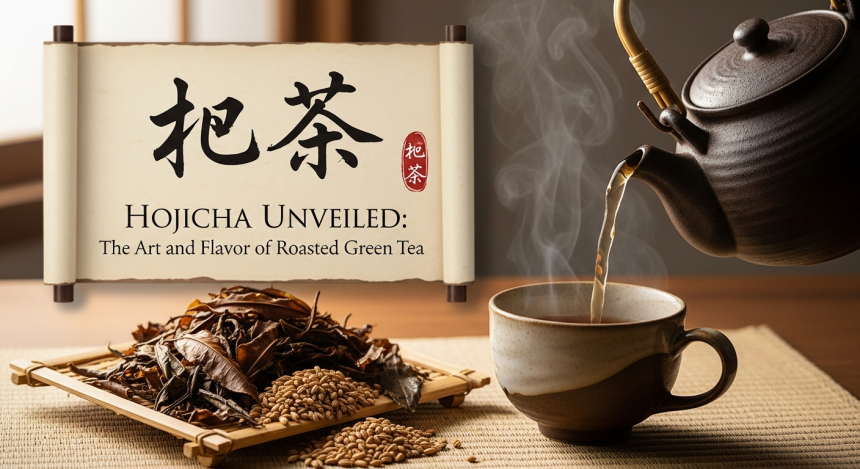
In the world of green teas, where vibrant hues and fresh grassy notes often take center stage, there exists a quieter, more enigmatic star-Hojicha. This roasted green tea, with its warm amber glow and toasty, caramelized aroma, invites tea lovers on a journey beyond tradition into a realm where fire and leaf dance in harmonious balance. “Hojicha Unveiled: the Art and Flavor of Roasted Green Tea” delves deep into the captivating story behind this unique brew, exploring its origins, meticulous roasting process, and the rich, comforting flavors that have made it a beloved staple in Japanese tea culture. Whether you’re a seasoned tea connoisseur or a curious newcomer, prepare to discover how roasting transforms humble green tea into a flavorful experience that soothes the senses and warms the soul.
Hojicha is a captivating Japanese roasted green tea celebrated for its warm, toasty character and remarkably smooth flavor. Unlike traditional green teas, the secret to Hojicha’s allure lies in its unique roasting process, which transforms fresh tea leaves into an aromatic brew filled with nutty, caramelized notes. This tea is a testament to peaceful moments and mindful craftsmanship, inviting you to explore the art behind its creation and savor a beverage that’s both comforting and refreshingly distinct.
Prep and Cook Time
Roasting: 10 minutes
brewing: 3-5 minutes
Total: 15 minutes
Yield
Approximately 4 cups (32 oz) of brewed hojicha tea
Difficulty Level
Medium – Requires close attention to roasting and brewing temperature
Ingredients
- 20 grams hojicha tea leaves (roasted green tea leaves)
- 600 ml filtered water
- Optional: 1 teaspoon roasted brown sugar or honey for sweetness
- Optional garnish: toasted sesame seeds or a slice of lemon
Origins and the Art of Roasting
The magic of hojicha begins in Japan,where green tea leaves – usually bancha or sometimes sencha – are gently roasted over charcoal or in a hot pan at low heat. This technique dates back to the 1920s in Kyoto, developed as a method to utilize lower-grade leaves while creating a unique flavor profile free from the bitterness of traditional green teas. The roasting not only alters the color from vibrant green to a rustic brown but also mellows the caffeine and tannins, making hojicha a favorite for evenings and all-day sipping.
mastering the Roast Level for Perfect Flavor Profiles
Achieving the perfect roast requires a delicate balance. Too light, and the tea retains too much grassy, vegetal edge; too dark, and it risks becoming smoky or burnt. During home roasting,maintaining a consistent medium heat around 160°C (320°F) and stirring constantly is crucial to avoid scorching. The leaves should develop a warm cinnamon hue with deep, inviting aroma cues signaling caramelization and subtle chocolate undertones. Experiment with roast times from 8 to 12 minutes to suit your palate.
Tasting Notes and Aroma: What Sets Hojicha Apart
On the nose, hot brewed hojicha entices with warm roasted chestnut, toasted almond, and a hint of cocoa powder. The flavor unfolds on the palate with gentle sweetness, a soft roasted nuttiness, and a clean finish that lacks bitterness. Its low caffeine content paired with smoky-sweet notes makes it uniquely soothing and versatile. This complexity encourages slow sipping and mindfulness-a tea that warms body and soul alike.
Expert Tips for Brewing Hojicha to Unlock Its Full Essence
To fully experience hojicha’s signature flavors, use water heated to approximately 80°C (176°F), cooler than typical green tea brewing temperatures. Steep for 3 to 5 minutes to encourage a balanced extraction that enhances sweetness without over-extraction of any residual bitterness. Avoid boiling water, which overwhelms the delicate roasted notes. Using a glass teapot lets you appreciate the warm amber hue as the tea infuses. For best results, store roasted hojicha leaves in an airtight container away from light and moisture to preserve aroma freshness.
Instructions
- Prepare the tea leaves: If starting from raw green leaves, roast evenly in a dry pan over medium heat for 10 minutes, stirring constantly until the leaves turn a reddish-brown color with a fragrant toasted aroma.
- Heat water: Bring filtered water to boil, then let it cool to about 80°C (176°F).
- Measure and steep: Place 20 grams of roasted hojicha leaves into your teapot or infuser.
- Pour water: Add 600 ml of hot water to the leaves, covering them wholly.
- Steep: Allow the tea to infuse for 3 to 5 minutes. Taste after 3 minutes to avoid over-steeping.
- Strain and serve: Pour the tea into cups using a fine mesh strainer to ensure a clear brew.
- Optional sweetness: Stir in roasted brown sugar or honey if desired to accentuate the tea’s caramelized notes.
Chef’s Notes: Tips for Success
- Leaf selection: Choose fresh, high-quality bancha or sencha for roasting to ensure a clean, smooth finish.
- Roasting subtleties: Use a cast iron skillet or heavy-bottomed pan for even heat distribution.
- Storage: Keep hojicha leaves in an opaque airtight container to guard against light and humidity.
- Cold brew variation: For a refreshing option,steep the hojicha leaves in cold water for 6-8 hours in the refrigerator.
- Flavor pairings: Pairs beautifully with sweet Japanese sweets like mochi or chestnut desserts.
Serving Suggestions
Serve hojicha in small ceramic cups to complement its earthy tones.Garnish with toasted sesame seeds for a nutty accent or a thin rind of lemon peel to lift the aroma with subtle citrus brightness. This tea also makes an excellent base for lattes-simply add steamed milk and a touch of vanilla syrup for an indulgent treat.Present with delicate wagashi sweets for an authentic Japanese tea experience.
| Nutrient | Per 240 ml Cup |
|---|---|
| Calories | 2 |
| Protein | 0 g |
| Carbohydrates | 0.5 g |
| Fat | 0 g |
| Caffeine | 7 mg (low) |

Discover more about Japanese tea culture and brewing methods to deepen your appreciation of this craft. For an in-depth look at tea chemistry and how roasting impacts flavor, visit this detailed research article.
Q&A
Q&A: Hojicha Unveiled - The Art and Flavor of Roasted Green Tea
Q1: What exactly is Hojicha?
A1: Hojicha is a unique Japanese green tea that sets itself apart through its roasting process. Unlike typical green teas, which are steamed or pan-fired, hojicha leaves are gently roasted over high heat, often using a charcoal fire. This roasting transforms the leaves’ vibrant green color into warm shades of brown and imparts a toasty, nutty flavor that’s both soothing and surprisingly light.
Q2: How did Hojicha originate?
A2: Legend has it that Hojicha was born out of resourcefulness in Kyoto during the 1920s. Tea merchants, facing an excess of lower-grade bancha leaves that were too coarse for traditional brewing, experimented by roasting them to mask any bitterness. The result was a new style of tea that delighted palates with its mellow aroma and became an instant favorite, especially among children and the elderly.
Q3: What makes the roasting process so special?
A3: The roasting is an art that balances heat and time to coax new dimensions from the tea leaves.Roasting reduces caffeine and tannins, yielding a smoother, almost caramel-like sweetness. This process also brings out smoky undertones reminiscent of toasted chestnuts or warm wood, making hojicha a comforting brew for any season.
Q4: How does Hojicha taste compared to other green teas?
A4: If you’re used to the fresh, vegetal punch of Sencha or the grassy notes of Matcha, hojicha will surprise you. It carries a gentle warmth and depth, with toffee-like sweetness and a hint of smokiness. It’s less bitter, less astringent, and more mellow – an invitation to sip leisurely and enjoy the calm it imparts.
Q5: Can Hojicha be enjoyed in different forms?
A5: Absolutely! Hojicha isn’t just for hot cups.Its low bitterness and roasted flavor shine in iced teas, lattes, and even desserts. Hojicha lattes, made by blending the tea with creamy milk or plant-based alternatives, are especially popular for their creamy, nutty character and soothing aroma. Plus, hojicha powder can be used in baking, chocolates, and smoothies, adding a unique twist to familiar treats.
Q6: What are the health benefits of Hojicha?
A6: While hojicha retains many antioxidants typical of green tea,roasting reduces caffeine considerably,making it an excellent choice for those sensitive to stimulants or seeking a calming evening beverage. It aids digestion and offers a comforting ritual that nurtures both body and mind.
Q7: How should I brew Hojicha for the best experience?
A7: Brewing hojicha is delightfully straightforward. Use freshly boiled water slightly cooled to about 80-90°C (176-194°F) and steep for 30 seconds to 1 minute. Oversteeping can dull the delicate roasted notes. Its forgiving nature means you can experiment with amounts and times until you find your perfect balance of flavor and aroma.
Q8: Where can I find quality Hojicha?
A8: The best hojicha comes from reputable Japanese tea producers, especially from Kyoto and Shizuoka regions. Look for loose leaf hojicha with a fragrant roasted aroma and a rich chestnut-brown color. Specialty tea shops and online retailers focusing on Japanese teas often carry excellent selections.
Hojicha isn’t just tea; it’s a sensory journey from radiant green fields to cozy fireside moments. Its rich craftsmanship and inviting flavor make it a perfect introduction to Japan’s diverse tea culture-warm, grounding, and utterly unforgettable.
In summary
As the warm, nutty aroma of hojicha lingers on the palate, it’s clear that this roasted green tea is far more than a simple brew-it is indeed an invitation to slow down and savor a tradition steeped in artistry and flavor. From its humble origins in Japanese tea culture to the rising global appreciation for its unique character, hojicha stands as a testament to the beauty found in transformation-from verdant leaves to fragrant, amber-hued infusion. Whether enjoyed as a comforting daily ritual or a curious exploration of new taste horizons, hojicha offers a nuanced experience that both tea novices and connoisseurs can cherish. So next time you seek a cup that tells a story of fire, time, and craftsmanship, let hojicha be your guide into a world where every sip reveals the art behind the roast.