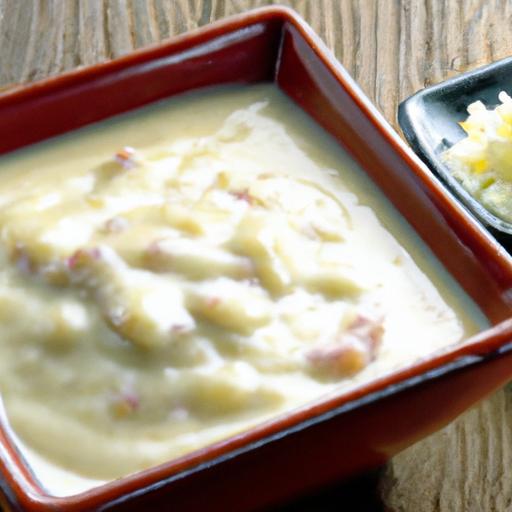

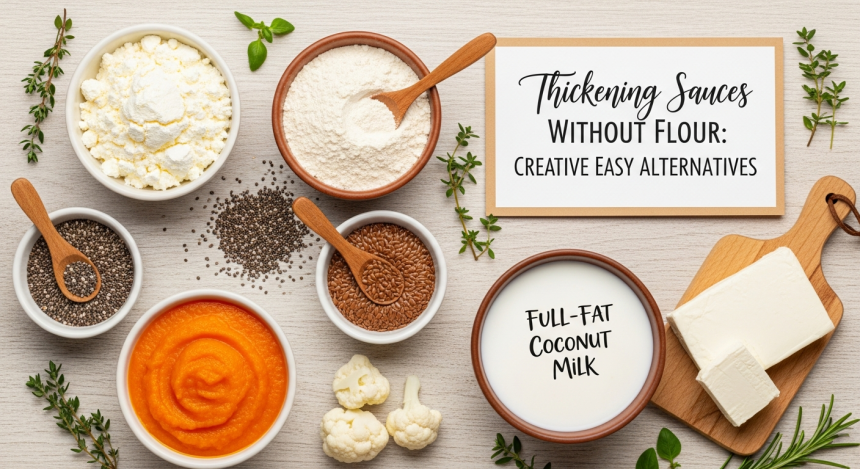
There’s something undeniably comforting about a rich, velvety sauce-whether it’s draped over tender roast chicken, swirled into creamy pasta, or spooned atop vibrant vegetables. Traditionally, flour has been the trusty sidekick in the quest for perfect sauce thickness, but what if you want to skip the gluten, avoid the heavy texture, or simply experiment with new flavors and techniques? Welcome to the world of flour-free thickening, where a handful of surprising ingredients can transform your sauces from thin to tantalizing in no time. In this article, we’ll explore creative, easy alternatives to flour that not only boost texture but also add a subtle twist to your culinary creations. Say goodbye to the ordinary and discover how to elevate your sauces with nature’s pantry staples-no flour required.
Thickening Sauces Without Flour: Creative Easy Alternatives
Mastering the art of thickening sauces without flour unlocks a world of vibrant textures and delightful flavors that can elevate any dish. whether you’re catering to gluten-free needs, avoiding flour for dietary reasons, or simply exploring culinary creativity, natural thickeners from pantry staples and fresh ingredients offer intuitive, flavorful solutions.Over years of culinary styling and content creation, I’ve discovered that these alternatives not only create velvety sauces but also infuse them with unique tastes and nutritional perks, proving that good consistency doesn’t have to come at the cost of complexity.
Prep and Cook Time
- Planning: 10 minutes
- Cooking: 15 minutes
- Total Time: 25 minutes
Yield
- Servings: Approximately 4 servings of sauce
difficulty Level
- Level: Easy to Medium
Ingredients
- 1 cup vegetable broth or stock (warm)
- 2 tbsp cornstarch (or arrowroot powder for a neutral finish)
- 1 medium ripe avocado, mashed (for creamy thickness)
- ½ cup cooked and pureed white beans (cannellini or navy)
- 1 tbsp chia seeds, soaked in 3 tbsp water (gel-like consistency)
- 2 tbsp cold-pressed olive oil
- 1 tsp lemon juice (balances flavors)
- salt and pepper to taste
- Fresh herbs like thyme or parsley, chopped (optional for garnish and flavor)
Instructions
- Prepare the thickening base: In a small bowl, whisk cornstarch or arrowroot into the warm vegetable broth until completely dissolved, forming a smooth slurry. This step helps avoid lumps when adding to hot liquids.
- Heat your sauce pan: Pour your base liquid (such as broth,tomato sauce,or wine reduction) into a saucepan over medium heat. Slowly add the slurry while stirring continuously.
- Simmer gently: Allow the sauce to simmer for about 5-7 minutes, stirring frequently enough, until it thickens to a velvety consistency. Reduce heat promptly once thickened to avoid breaking or thinning.
- Incorporate creamy alternatives: To add luxurious texture and silkiness, stir in mashed avocado or pureed white beans off the heat. These naturally thick ingredients also contribute healthy fats and protein.
- Use chia seed gel: For a fiber boost and slight gelatinous effect,add chia seed gel towards the end,mixing thoroughly. This is perfect for cold sauces or dressings as well.
- season and enhance: Finish your sauce with a drizzle of olive oil and a dash of lemon juice to brighten flavors. Taste and adjust seasoning with salt and pepper as needed.
- Garnish and serve: Sprinkle fresh herbs over the sauce just before serving for a burst of color and herbal aroma.
Tips for Success
- Choose the right thickener: Cornstarch and arrowroot are excellent for quick thickening but don’t overheat arrowroot or it will turn slimy.
- Adjust texture: For softer thickening, blend mashed beans with a little cooking liquid and whisk into your sauce.
- Make ahead: Some thickened sauces may firm up as they cool; gently reheat with a splash of broth while stirring to restore silkiness.
- Flavor pairing: Incorporate roasted garlic or caramelized shallots during base preparation to deepen complexity.
- Allergy alternatives: Substitute chia seeds with ground flaxseed gel for a similar thickening effect blending omega-3 benefits.
Serving Suggestions
This versatile thickened sauce pairs beautifully with seared chicken breasts, steamed vegetables, or grain bowls. Try spooning it over roasted root veggies or drizzling on grilled fish for an elegant finish. Garnish with microgreens or lemon zest for fresh contrast. To amplify presentation, drizzle a little extra virgin olive oil in thin ribbons on top, or add a sprinkle of toasted nuts for crunch.

| Ingredient | Calories | Protein (g) | Carbs (g) | Fat (g) |
|---|---|---|---|---|
| Avocado (1 medium) | 234 | 3 | 12 | 21 |
| Cornstarch (2 tbsp) | 60 | 0 | 15 | 0 |
| White Beans (½ cup pureed) | 110 | 8 | 20 | 0.5 |
| Olive Oil (2 tbsp) | 240 | 0 | 0 | 27 |
For deeper scientific insight on these natural thickeners, visit the Science Daily report on starch alternatives. To explore gluten-free sauce recipes that expertly use these techniques, check out our related guide Gluten-Free Sauces and Thickeners.
Q&A
Q&A: Thickening Sauces Without Flour – Creative Easy Alternatives
Q1: Why would someone want to thicken a sauce without using flour?
A1: Great question! While flour is a classic thickener, some people avoid it due to gluten sensitivities, dietary preferences like paleo or keto, or simply as they want to explore new textures and flavors. Plus, skipping flour can make your sauce lighter and sometimes even more vibrant.
Q2: What are some of the moast creative and easy alternatives to flour for thickening sauces?
A2: There’s a world beyond flour! some star players include cornstarch,arrowroot powder,tapioca starch,and instant mashed potato flakes.even puréed vegetables or legumes can add body and nutrition. For a silky finish, nut butters or ground nuts work like magic. Each alternative brings its own flair!
Q3: How do I use cornstarch to thicken a sauce without lumps?
A3: The secret is to make a slurry: mix cornstarch with a small amount of cold water before whisking it into your simmering sauce. This keeps the texture smooth and velvety. Remember, cornstarch thickens quickly and at a lower temperature than flour, so watch your sauce closely to avoid over-thickening.
Q4: Can I use arrowroot powder instead of flour? How does it compare?
A4: Absolutely! arrowroot powder is a fantastic gluten-free thickener, prized for its clear, glossy finish-perfect for delicate sauces and fruit glazes. It thickens at a medium temperature and doesn’t hold up well to prolonged boiling, so add it near the end of cooking.
Q5: What about natural thickeners like pureed vegetables or beans? How do those work?
A5: Pureed veggies (think cooked carrots, cauliflower, or squash) or mashed beans add both thickness and depth of flavor. They’re especially great for hearty stews or creamy sauces, turning simple recipes into nutrient-dense delights. Just cook, blend, and stir in-easy and wholesome!
Q6: Are there any nut-based or dairy-based options to thicken sauces?
A6: Yes! Nut butters (like almond or cashew) add richness and creaminess, perfect for sauces with a bit of an exotic or savory twist (think peanut sauce). Heavy cream or crème fraîche can also lend body to sauces, though dairy isn’t an option for all diets.
Q7: how do these alternatives affect the flavor of the sauce?
A7: Each thickener has its unique character. Cornstarch is neutral, arrowroot is subtle and clean, pureed veggies add earthiness, and nut butters bring nutty sweetness. Experimentation is key-you might discover new favorite flavor combinations by mixing and matching!
Q8: Any tips to avoid common pitfalls when thickening without flour?
A8: Definitely! Avoid adding starch-based thickeners directly to hot liquids; always make a slurry with cold water first. Also, add thickeners gradually, stirring constantly, to reach your desired consistency without over-thickening. Lastly, remember that some thickeners lose power if cooked too long-so timing matters!
Q9: Can these flour-free thickeners be used in cold sauces or dressings?
A9: Some can! For cold applications, xanthan gum and instant tapioca starch are excellent choices because they hydrate and thicken even without heat. Pureed ingredients also blend seamlessly into cold dressings. But traditional starches like cornstarch need heat to activate.
Q10: Where can I find these flour alternatives?
A10: Most grocery stores stock cornstarch and arrowroot powder in the baking aisle. Tapioca starch might be in the gluten-free or international section. Nut butters and vegetables are common staples. For more specialized gums like xanthan, health food stores or online shops are your best bet.
Feel empowered to ditch the flour and play with these creative alternatives-your sauces will thank you!
In Retrospect
As you explore the world beyond flour, you’ll find that thickening sauces can be both simple and adventurous. Whether it’s the silky embrace of cornstarch, the subtle smoothness of pureed vegetables, or the cozy stretch of arrowroot powder, these alternatives not only elevate texture but add their own unique touch to your dishes.So next time you’re stirring a sauce and craving that perfect consistency, remember: thickening is an art with many vibrant brushes-no flour required. Happy cooking!