

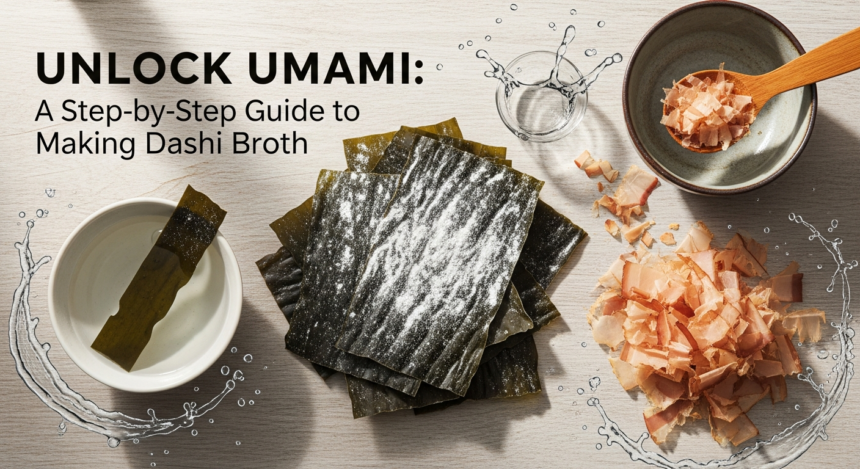
In the vast universe of flavors, umami stands as the subtle yet profound taste that elevates ordinary dishes into unforgettable culinary experiences. At the heart of this savory sensation lies dashi broth—a cornerstone of Japanese cuisine, celebrated for its delicate balance and depth. But what exactly is dashi, and how can you bring this magical elixir into your own kitchen? In this step-by-step guide, we’ll unlock the secrets behind making authentic dashi broth, revealing the simple ingredients and techniques that transform humble components into a symphony of umami. Whether you’re a seasoned cook or a curious food lover, prepare to embark on a flavorful journey that will forever change the way you savor your soups, sauces, and beyond. Dashi broth is not just a recipe; it’s an art form that brings cultures together.
Unlock Umami begins with understanding the subtle power hidden within dashi broth – the cornerstone of Japanese cuisine. This delicate yet profoundly savory liquid captures the essence of umami, the “fifth taste” that enhances all forms of cooking with its rich, full-bodied allure. The magic of dashi lies in its simplicity: just a few impeccable ingredients slowly coaxed into harmony. Whether you’re crafting comforting miso soup or elevating a stir-fry, mastering dashi unlocks a world of flavor that lingers on the palate and invites endless culinary creativity.
Understanding Dashi Broth begins with appreciating the subtle power hidden within dashi broth—the cornerstone of Japanese cuisine. This delicate yet profoundly savory liquid captures the essence of umami, the “fifth taste” that enhances all forms of cooking with its rich, full-bodied allure. The magic of dashi broth lies in its simplicity: just a few impeccable ingredients slowly coaxed into harmony. Whether you’re crafting comforting miso soup or elevating a stir-fry, mastering dashi broth unlocks a world of flavor that lingers on the palate and invites endless culinary creativity.
Prep and Cook Time
- Planning: 10 minutes
- Cooking: 30 minutes
- Total Time: 40 minutes
Yield
Approximately 4 cups (enough for 4 servings of soup or broth base)
Difficulty Level
Easy – Perfect for beginners ready to dive into Japanese flavors with confidence.
ingredients
- 4 cups cold filtered water
- 15 grams kombu (dried kelp), wiped gently with a damp cloth
- 20 grams katsuobushi (dried bonito flakes)
- Optional: 5 dried shiitake mushrooms for an earthy depth
Instructions
- prepare the Kombu: Gently clean the kombu with a damp cloth to remove any excess salt or grit. Avoid rinsing it under running water as this washes away umami-rich compounds.
- Soak the Kombu: Place the kombu in a pot with 4 cups of cold water and let it soak for at least 30 minutes. This helps extract subtle flavors slowly, setting the foundation for a balanced broth.
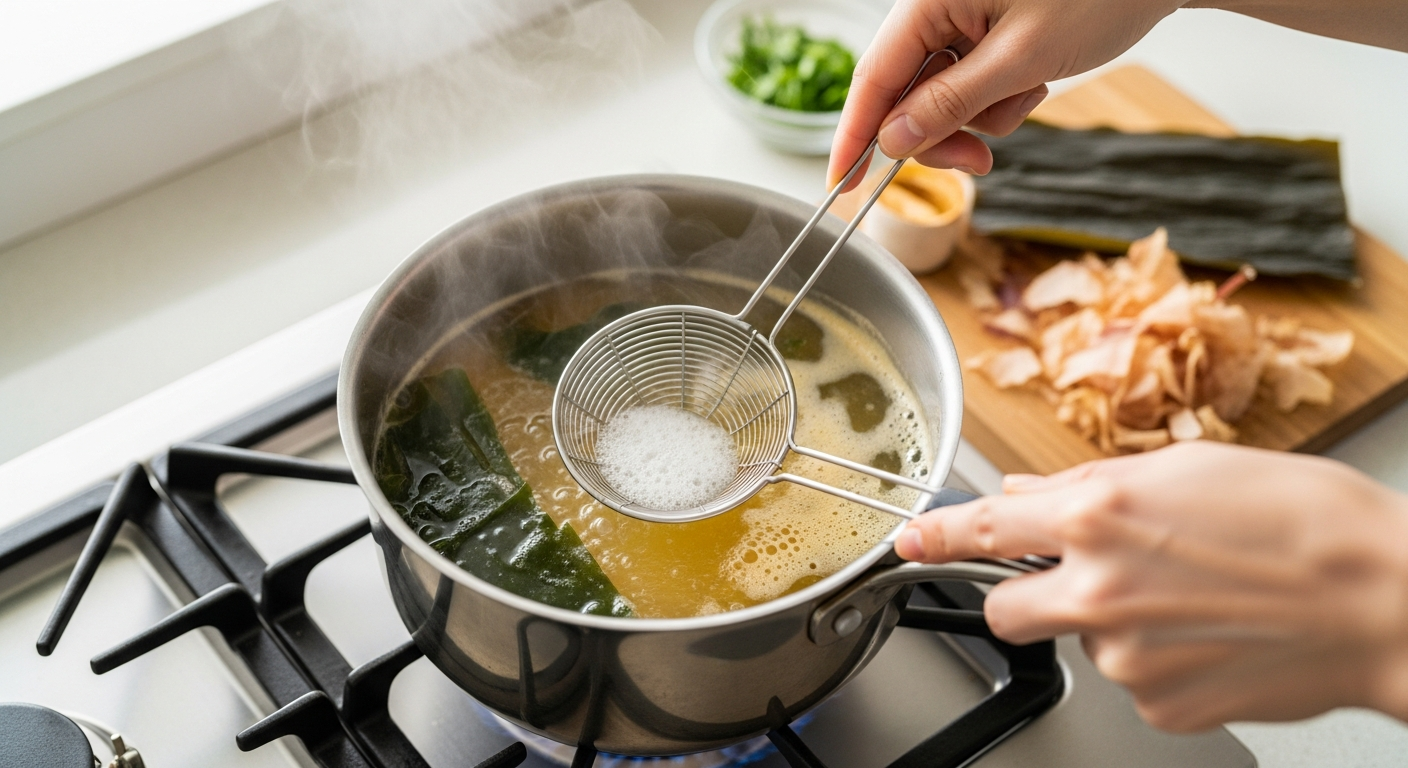
- Heat Slowly: Gradually warm the water and kombu over medium-low heat. Just before it reaches a gentle simmer - about 60-65°C (140-150°F) - remove the kombu.Do not boil, as this can release bitterness.
- Add Katsuobushi: Immediately add the bonito flakes to the hot water. Let it steep off heat for 5 to 7 minutes, allowing the katsuobushi to infuse its smoky, savory notes into the broth.
- Strain the Broth: Pour the broth through a fine-mesh sieve or cheesecloth into a clean pot or bowl. Press lightly to extract the last droplets of flavor without forcing bitter residues through.
- Optional Shiitake Boost: If using dried shiitake, soak them in warm water for 30 minutes before starting. Simmer them gently with kombu (step 3) to add layered umami and earthiness.
- Cool and Store: Use immediately for soups or refrigerate in an airtight container for up to 3 days. For longer storage, freeze in portions.
Tips for Success
- Ingredient Quality: Choose high-grade kombu and fresh,aromatic katsuobushi for the most vibrant umami impact.
- Avoid Boiling Kombu: Boiling extracts bitter compounds – patience is key for a clean, sweet dashi.
- Customize Your Dashi: Experiment with adding dried shiitake or a handful of niboshi (dried sardines) for choice regional flavors.
- Make-Ahead Convenience: Batch cook dashi broth and freeze in ice cube trays to have umami boosters ready for quick weekday meals.
- Vegetarian/Vegan Option: Skip katsuobushi and increase kombu plus shiitake for a rich vegetarian dashi.
Serving Suggestions
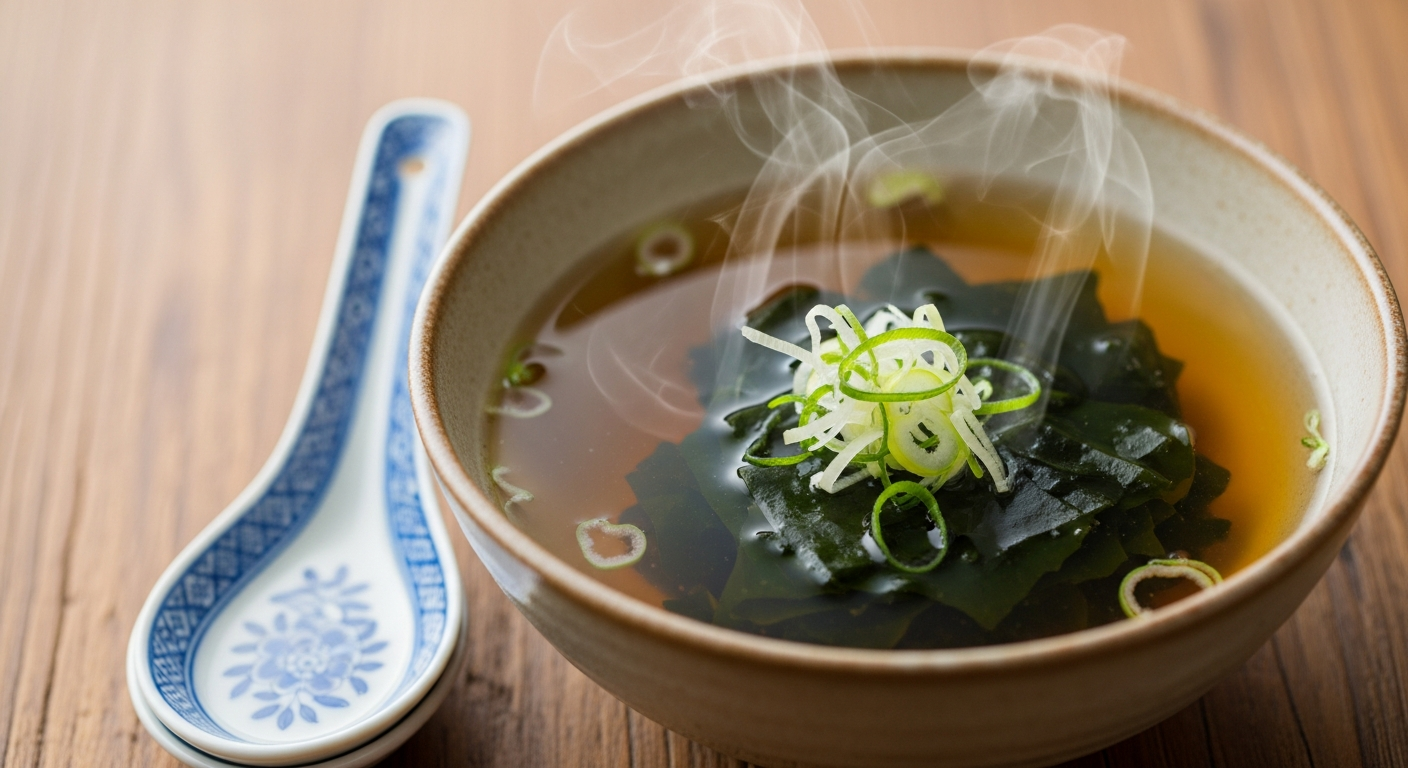
This handcrafted broth shines in conventional miso soup with cubes of silken tofu, sliced scallions, and wakame seaweed.Pour it hot over soba noodles for a soothing, simple meal.Use as a base to enhance vegetable stir-fries, risottos, or to gently poach delicate seafood and eggs, showcasing the broth’s subtle complexity. Garnish with freshly chopped mitsuba,a sprinkle of toasted sesame seeds,or thinly sliced yuzu peel to brighten the umami-rich flavors.
Dashi broth is versatile and can be adapted to suit various dishes, making it a fundamental skill in the kitchen. From enhancing light broths to enriching stews, mastering dashi broth will redefine your cooking.

| Nutrient | Per 1 Cup (240ml) |
|---|---|
| Calories | 10 kcal |
| Protein | 2 g |
| Carbohydrates | 1 g |
| Fat | 0 g |
For those eager to explore further, check out our detailed Miso Soup Recipe to experience dashi in its most celebrated form. Additionally, find thorough insights on the science behind umami and dashi at Science Daily.
Incorporating dashi broth into your meals not only elevates flavors but also connects you to the traditions of Japanese cuisine. It’s a wonderful way to explore the depth of umami in every dish.
Q&A
Q&A: Unlock Umami – A Step-by-Step Guide to Making Dashi Broth
Q1: What exactly is dashi, and why is it so important in Japanese cooking?
A1: Dashi is a simple yet magical broth that acts as the umami backbone of many japanese dishes.It’s like the secret whisper behind the bold, savory symphony your taste buds experience in miso soup, ramen, and countless other recipes. Made from ingredients like kombu (kelp) and katsuobushi (dried bonito flakes), dashi elevates dishes from plain to profound by unlocking that elusive “fifth taste” – umami.
Q2: What ingredients do I need to make authentic dashi at home?
A2: The classic duo: kombu and katsuobushi. Kombu provides gentle oceanic notes and rich minerals,while katsuobushi offers smoky,fishy depth. Some variations use dried shiitake mushrooms for a vegetarian twist or niboshi (dried baby sardines) for a stronger fish essence.But if you’re starting out, kombu and katsuobushi are your best friends.Q3: Can I make dashi without fancy equipment?
A3: Absolutely! Dashi is accessibility boiled down to its essence-it requires no special gadgets, just a pot, water, and your key ingredients. The process is straightforward: gently infuse kombu in water,remove before boiling,than steep the bonito flakes briefly before straining. Simple magic in your kitchen pot.
Q4: How do I avoid bitter or overly fishy dashi?
A4: Timing and temperature are your allies. Don’t rush kombu’s extraction by boiling it-slow infusion around 60-70°C (140-160°F) keeps bitterness at bay. Similarly, add katsuobushi after removing kombu and steep just a few minutes; oversteeping can lead to astringency or overpowering fishiness.
Q5: What’s the difference between ichiban dashi and niban dashi?
A5: ichiban dashi is the “first” dashi: the light, clear, and delicate broth made by one infusion of kombu and bonito flakes. It’s prized for its clean umami punch. Niban dashi is the “second” broth from reusing the ingredients a second time-more robust,slightly deeper,often used for simmered dishes rather than clear soups.
Q6: Can I make dashi ahead of time or freeze it?
A6: Yes! Dashi keeps well refrigerated for 2-3 days and freezes beautifully, making it a perfect umami boost ready whenever you need. Just store it in airtight containers and thaw gently. Having dashi on hand means you can whip up flavorful Japanese dishes anytime without starting from scratch.
Q7: Is there a vegetarian or vegan alternative?
A7: definitely. Swap fish-based ingredients for dried shiitake mushrooms and kombu for a rich plant-based dashi. Shiitake adds earthy umami and depth, creating a broth that’s savory, subtle, and entirely vegan-friendly.
Q8: How will mastering dashi change my cooking?
A8: Unlocking dashi is like discovering a new dimension to flavor. it’s subtle but transformative, turning everyday soups, sauces, and stews into complex, layered dishes. Onc you embrace dashi, you start to think about cooking through umami’s lens, making your meals richer, more balanced, and endlessly satisfying.
Ready to conjure that golden broth? with this guide, your journey to unlocking umami begins-one simmering pot of dashi at a time.
Closing Remarks
As the rich aroma of your homemade dashi gently fills the kitchen, you’ve unlocked more than just a recipe-you’ve tapped into a tradition that forms the flavorful backbone of countless Japanese dishes.With these step-by-step techniques in hand, making dashi is no longer a mysterious culinary art but an accessible gateway to umami’s deep, savory embrace. Whether you’re simmering miso soup,crafting delicate noodle broths,or enhancing everyday meals,this golden elixir will elevate your cooking to new heights. so,keep your stockpot simmering,and let the essence of dashi inspire your next delicious creation-as once you taste umami made from scratch,there’s no turning back.
As you explore the world of flavors, let dashi broth be your guide. This unique broth will inspire creativity and innovation in your culinary adventures, making every meal a delightful experience.