
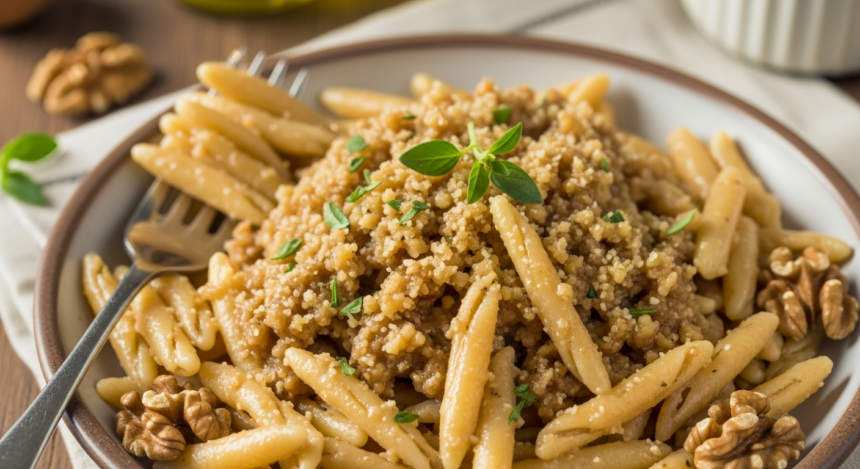
Nestled within the rich tapestry of Italian cuisine lies a lesser-known gem that effortlessly combines rustic tradition with indulgent flavor: walnut sauce pasta.This creamy, nutty classic, hailing from the heart of Italy’s Liguria region, offers a sumptuous alternative to the contry’s more celebrated sauces. Crafted from toasted walnuts, garlic, olive oil, and a touch of Parmesan, walnut sauce lends pasta a velvety texture and a deep, earthy richness that lingers delightfully on the palate. In this article, we’ll unravel the origins, reveal the secrets behind its luscious creaminess, and explore why walnut sauce pasta deserves a starring role on your dinner table-inviting you to experience a harmonious blend of simplicity and sophistication in every bite.
Walnut Sauce Pasta is a sumptuous embodiment of Italy’s rich culinary heritage, blending creamy textures and nutty flavors into an unforgettable dish. Originating from the ligurian region, where walnuts grow abundantly, this dish reflects the rustic charm and resourceful simplicity of Italian home cooking.Generations have cherished walnut sauce as a luxurious alternative to traditional pesto, its delicate creaminess enhanced by the earthiness of toasted walnuts and the subtle aromatics of garlic and cheese.
Origins and Regional Variations of Walnut Sauce Pasta
The heart of walnut sauce pasta lies in Liguria but variations span across northern Italy, each proudly showcasing local ingredients and techniques. In Liguria, walnuts are combined with ricotta or Parmigiano-Reggiano and fragrant herbs to create a sauce that’s both velvety and shining.Further inland, cream or grana padano elevates the sauce, lending it a richer mouthfeel. Coastal communities sometimes add a splash of lemon zest to contrast the sauce’s buttery depth.In Piedmont, ground walnuts mix with butter and a hint of garlic for a more rustic texture, often served over trofie or trenette pasta.
Crafting the Perfect Creamy Walnut Sauce from Scratch
Mastering walnut sauce starts with fresh, high-quality walnuts lightly toasted to unlock their toasty aroma and deepen their natural oils. Balancing the creaminess requires a smooth emulsification of walnuts,quality extra virgin olive oil,and grated cheese-usually Parmigiano or pecorino-to achieve that luscious consistency. Incorporating garlic and a touch of lemon juice adds brightness and complexity without overpowering the sauce’s nutty base. Finishing with a splash of pasta water ensures the sauce clings perfectly to every strand or ribbon of pasta.
Prep and Cook Time
- Preparation: 15 minutes
- Cooking: 15 minutes
- Total Time: 30 minutes
yield
serves 4 generously
Difficulty Level
Medium – perfect for cooks agreeable with blending sauces and timing pasta perfectly
Ingredients
- 1½ cups walnuts, toasted lightly until fragrant
- 2 cloves garlic, peeled and minced
- ¾ cup extra virgin olive oil, cold-pressed
- ½ cup grated parmigiano-Reggiano cheese
- 1 tbsp fresh lemon juice
- ½ cup ricotta or heavy cream (optional, for a silkier texture)
- Salt and freshly ground black pepper, to taste
- 400g (14 oz) pasta (trofie, linguine, or pappardelle recommended)
- Fresh basil and parsley for garnish
Instructions
- Toast the walnuts: Place walnuts in a dry skillet over medium heat. Toast for 5-7 minutes, shaking frequently, until golden and aromatic. Remove from heat and let cool slightly.
- Prepare the sauce base: In a food processor or blender, combine toasted walnuts, minced garlic, lemon juice, and a pinch of salt. Pulse until coarsely ground.
- Emulsify the sauce: Slowly drizzle olive oil into the walnut mixture while blending until a smooth, creamy consistency forms. Scrape down the sides as needed to ensure even blending.
- Add cheese and cream: Mix in Parmigiano-Reggiano cheese and ricotta (if using). Blend briefly to incorporate. Adjust seasoning with salt and pepper.
- Cook the pasta: Boil salted water and cook pasta until al dente. Reserve ½ cup of pasta water before draining.
- Combine: Toss the pasta with the walnut sauce, gradually adding reserved pasta water to loosen the sauce and help it cling to the noodles evenly.
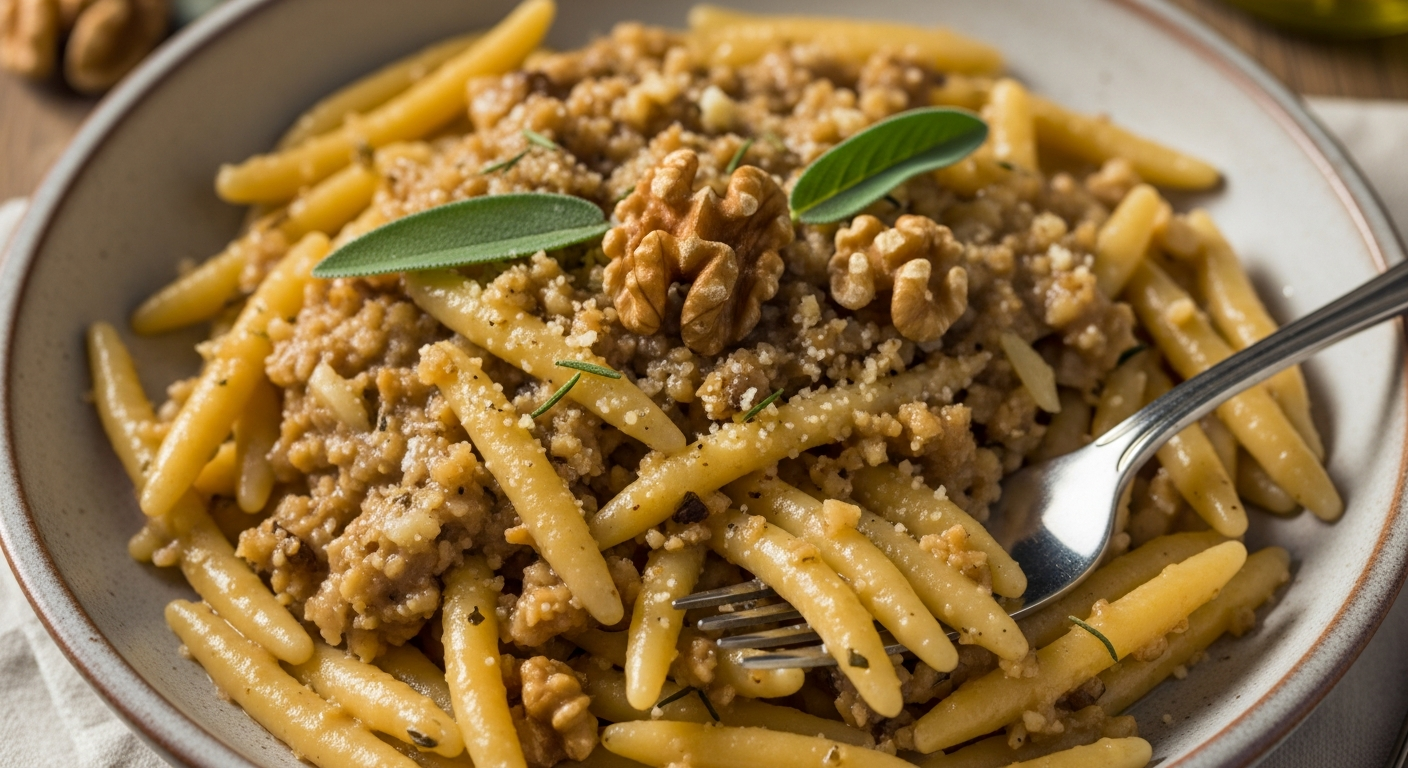
- Finish and serve: Transfer to serving dishes and garnish with torn fresh basil and parsley leaves,plus a light drizzle of olive oil and extra grated Parmesan.
Tips for Success
- walnut toasting: Don’t over-toast walnuts or the sauce may become bitter; aim for a golden hue and nutty fragrance.
- Consistency control: use pasta water judiciously to adjust sauce thickness; add gradually for silky coating.
- Herbal updates: Experiment by adding fresh thyme or sage for aromatic notes that complement the nutty flavor.
- Cheese alternatives: Try pecorino romano for a sharper tang or fresh ricotta for creamier results.
- Make-ahead tip: Prepare the sauce a day before and refrigerate. Warm gently with reserved pasta water before serving.
Pairing Pasta Shapes for Optimal Flavor and Texture
Choosing the right pasta shape is crucial with walnut sauce pasta. Twisted shapes like trofie or fusilli trap pockets of sauce in every curve, while broader noodles such as pappardelle or tagliatelle provide a perfect canvas for the sauce’s delicate creaminess. Long, thin strands like linguine or spaghetti allow each bite to deliver an even coating, creating a balanced bite that highlights the sauce’s luxurious texture.
Enhancing Walnut Sauce with Fresh Herbs and Cheeses
Fresh herbs elevate walnut sauce with bursts of colour and nuanced flavor. Basil adds sweet, peppery florals, while parsley offers brightness that cuts through the richness. For a more robust herbaceous depth, try sage finely chopped or a sprinkle of rosemary for earthy warmth. Cheese variations open exciting flavor profiles-pecorino adds a salty sharpness, while fresh ricotta or mascarpone lends lovelier softness, perfect for a winter twist.
Serving Suggestions
- Serve with freshly cracked black pepper and a light drizzle of extra virgin olive oil for glossy finish.
- Accompany with a crisp green salad dressed in lemon vinaigrette to balance richness.
- pair with a glass of dry white wine or a light-bodied red like Dolcetto to complement nutty elements.
- Top with toasted walnut halves or pine nuts for added crunch and presentation appeal.
| Nutrient | Per Serving |
|---|---|
| Calories | 450 kcal |
| Protein | 15 g |
| Carbohydrates | 55 g |
| Fat | 18 g |

For more Italian sauce inspirations, check our Classic Italian Pesto Recipe. Dive deeper into the culinary roots of walnut pasta sauces with this insightful Slow Food Foundation article.
Q&A
Q&A: Walnut Sauce Pasta – Italy’s Creamy Nutty Classic Revealed
Q1: What exactly is Walnut Sauce Pasta?
A1: Walnut Sauce Pasta is a luscious Italian dish where al dente pasta meets a rich, creamy sauce made primarily from ground walnuts, olive oil, garlic, and cheese. It’s a velvety blend of nutty warmth and savory depth, creating a unique alternative to the more familiar cream- or tomato-based sauces.
Q2: Where in Italy did Walnut Sauce Pasta originate?
A2: This delightful recipe hails from Liguria,a picturesque coastal region in northwest Italy known for its fresh ingredients and inventive sauces. While basil pesto steals much of the spotlight, Ligurians treasure their walnut sauce-called salsa di noci-as a traditional staple dating back centuries.
Q3: What makes walnut sauce so special compared to other pasta sauces?
A3: Unlike tomato or cream sauces, walnut sauce balances creaminess with a subtle crunch and a warm, nutty flavor. The walnuts lend an earthy richness that feels indulgent without being heavy, while frequently enough incorporating fragrant herbs like parsley and hints of garlic to brighten the palate.
Q4: Can you describe the texture and flavor profile of walnut sauce?
A4: Imagine a silky, slightly coarse sauce that gently clings to every strand of pasta. The flavor is a harmonious symphony of buttery walnuts, tangy Parmesan or Pecorino cheese, aromatic garlic, and olive oil’s fruity undertones, punctuated by fresh herbs-comforting yet elegant.Q5: Which types of pasta work best with walnut sauce?
A5: Traditionally, walnut sauce pairs beautifully with short, ridged pastas like trofie or gnocchetti sardi-shapes that catch sauce in their nooks and crannies. However, broader pastas such as fettuccine or tagliatelle also carry the sauce well, ensuring every bite bursts with nutty goodness.
Q6: Is walnut sauce pasta suitable for special diets?
A6: Walnut sauce is naturally vegetarian and can be easily adapted for gluten-free or vegan diets by choosing gluten-free pasta and substituting cheese with nutritional yeast or vegan alternatives.The nuts provide healthy fats and protein, making it a hearty, wholesome choice.
Q7: How is walnut sauce pasta typically served in Italy?
A7: It’s frequently enough enjoyed as a primo (first course) in a cozy Italian meal, accompanied by a crisp white wine from the Ligurian hills. Garnished with freshly chopped parsley or a sprinkle of cheese, it invites a slow savoring that celebrates every creamy, nut-laden mouthful.
Q8: Any tips for making the perfect walnut sauce at home?
A8: Toast your walnuts lightly to deepen their flavor, and blend them finely but not into a puree-some texture adds character. Use high-quality extra virgin olive oil and fresh garlic, and don’t be shy to adjust consistency with pasta cooking water. Most importantly, taste as you go to find your perfect balance of nutty, salty, and aromatic.
Q9: Can walnut sauce be used beyond pasta?
A9: Absolutely! Walnut sauce is versatile-it can elevate roasted vegetables, act as a creamy dip for crusty bread, or even serve as a luscious spread on grilled meats or sandwiches.Its rich, nutty essence brings a gourmet twist wherever it goes.
Q10: Why shoudl walnut sauce pasta earn a place on your dinner table?
A10: because it’s a flavorful invitation to experience Italy’s culinary creativity beyond the usual suspects. Walnut Sauce Pasta offers a comforting, elegant, and surprisingly simple way to impress your palate with layers of flavor that feel both rustic and refined-truly a nutty classic worth discovering.
insights and Conclusions
As the rich, velvety notes of walnut sauce gently coat each strand of pasta, we’re reminded that Italy’s culinary magic often lies in the simplest, most unexpected ingredients. This creamy, nutty classic-rooted in tradition yet endlessly versatile-invites both home cooks and seasoned chefs to explore a world where texture and flavor dance in perfect harmony. Whether served as a comforting weeknight meal or a centerpiece for a festive gathering, walnut sauce pasta stands as a delicious testament to Italy’s genius for turning humble nuts into a luxurious experience. So next time you crave something truly authentic and unforgettable, let the warmth of walnut sauce transport you to the heart of Italy, one luscious bite at a time.