
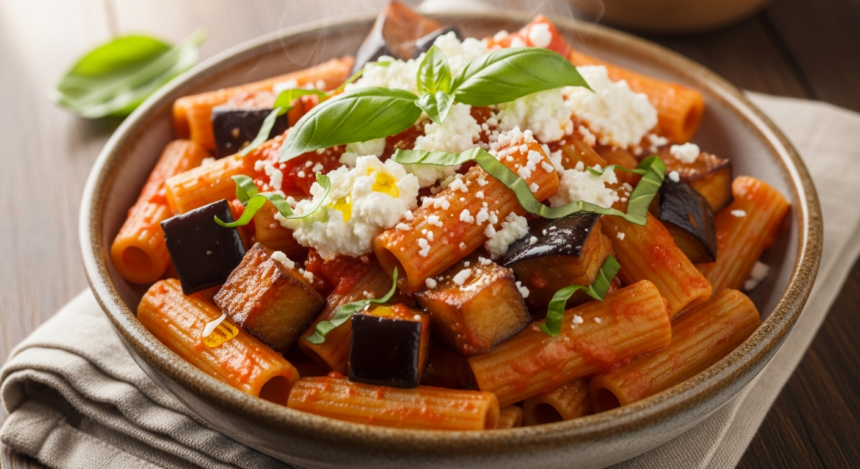
Nestled in the sun-drenched heart of the Mediterranean,Sicily is a land where history,culture,and cuisine intertwine in a vibrant tapestry of flavor. Among its many culinary treasures, one dish stands out as a party of the island’s rustic charm and bold tastes: authentic eggplant pasta. This iconic recipe, steeped in tradition and bursting with the earthy richness of fresh eggplants, sun-ripened tomatoes, and fragrant herbs, invites food lovers on a sensory journey to the soul of sicily. In this article, we unveil the secrets behind this beloved classic, exploring its origins, key ingredients, and the simple yet artful techniques that transform humble produce into a true pasta delight.Get ready to savor sicily like never before.
Savor Sicily: Authentic eggplant Pasta Delight Unveiled is more than a recipe-it’s an immersive journey into the heart of Sicilian cuisine. This beloved dish, steeped in tradition and bursting with rustic charm, celebrates the island’s vibrant agricultural bounty and centuries-old culinary artistry. Imagine biting into perfectly cooked pasta, coated in a rich, aromatic tomato and eggplant sauce, flecked with fragrant basil and golden toasted breadcrumbs. This is not just food; it’s a testament to Sicily’s rich history, craft, and soul.
Prep and Cook Time
- Preparation Time: 20 minutes
- Cook Time: 40 minutes
- Total Time: 60 minutes
Yield
Serves 4 hearty portions-perfect for sharing a Sicilian feast with loved ones.
Difficulty Level
medium – Ideal for adventurous home cooks ready to master conventional Italian techniques.
Ingredients
- 2 medium eggplants (about 1.5 pounds), diced into ½-inch cubes
- 400g (14 oz) dried pasta (preferably spaghetti or bucatini)
- 4 ripe plum tomatoes, finely chopped or 1 can (14 oz) of whole peeled tomatoes, crushed
- 4 tbsp extra-virgin olive oil, plus more for frying
- 3 garlic cloves, minced
- 1 small onion, finely chopped
- 1 tsp red chili flakes (optional, for subtle heat)
- 1/2 cup fresh basil leaves, torn
- ½ cup fresh ricotta salata or grated Pecorino Romano cheese
- 1 cup breadcrumbs, preferably homemade or rustic Italian style
- Salt and freshly ground black pepper, to taste
Instructions
- Prepare the eggplant: Sprinkle diced eggplant with salt and place in a colander for 20 minutes to draw out bitterness. Rinse and pat dry with paper towels.
- Sauté the eggplant: Heat 3 tablespoons of olive oil in a large skillet over medium-high heat. Add the eggplant cubes and fry until golden brown and tender, about 8-10 minutes. Stir occasionally to ensure even cooking. Remove from the skillet and set aside.
- Start the sauce: In the same skillet, add remaining 1 tablespoon olive oil. Sauté the onion and garlic until translucent and fragrant, about 3-4 minutes. Add red chili flakes for a hint of spice if desired.
- Add tomatoes: Stir in the fresh or canned tomatoes. Simmer gently for 15 minutes, allowing the sauce to thicken. Season with salt and pepper to taste.
- Combine eggplant and sauce: Return the sautéed eggplant to the pan. Toss gently to coat in the rich, fragrant tomato sauce and cook together for another 5 minutes to meld flavors.
- Cook pasta: Bring a large pot of salted water to a rolling boil. Add pasta and cook until al dente according to package instructions (usually 8-10 minutes). Reserve ½ cup of pasta water before draining.
- Finish the dish: Add drained pasta to the skillet with sauce and eggplant. Mix thoroughly, adding reserved pasta water a little at a time to loosen the sauce if needed.
- Toast breadcrumbs: In a small pan, heat a tablespoon of olive oil over medium heat. Add breadcrumbs and toast,stirring frequently,until golden brown and crispy,about 3 minutes.
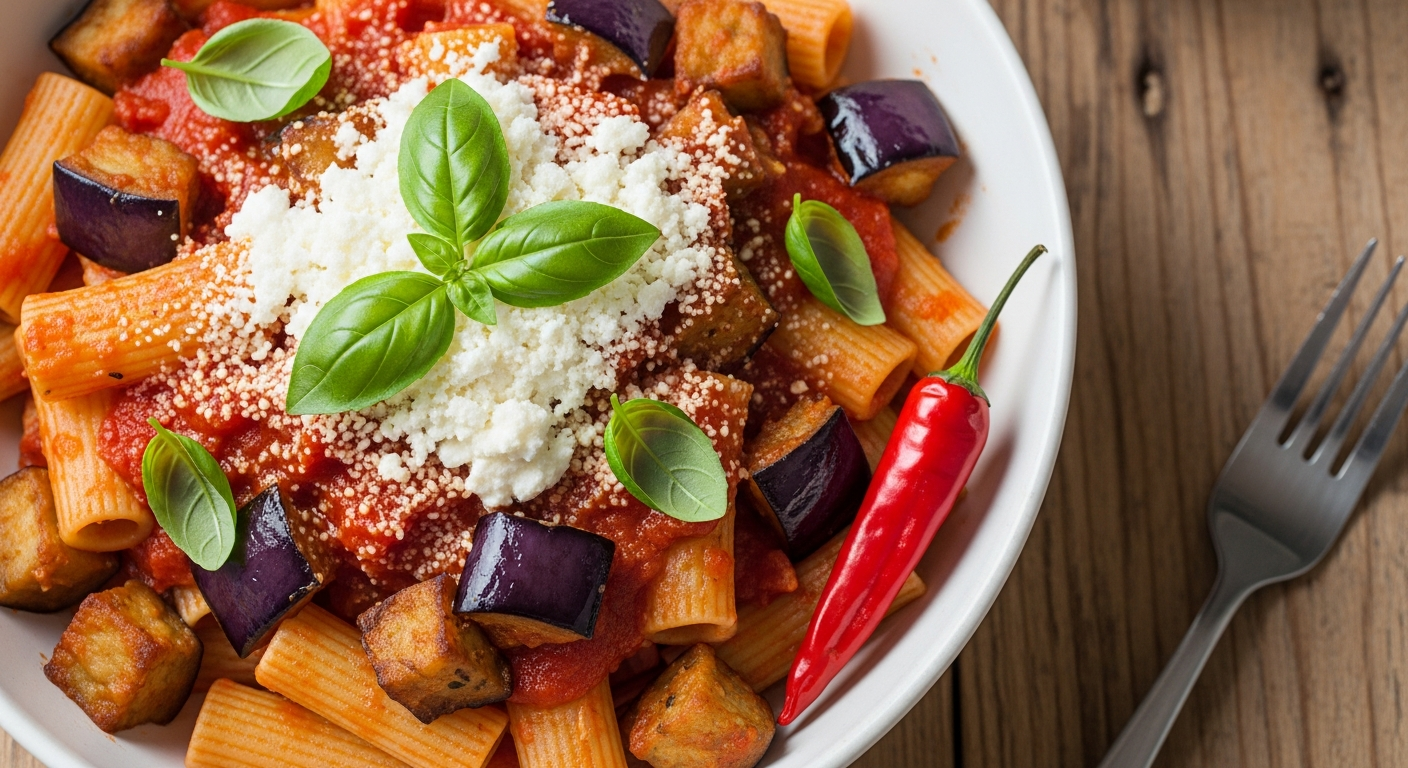
- Serve: Plate the pasta, generously sprinkle toasted breadcrumbs and grated ricotta salata or pecorino Romano over each serving. Garnish with fresh torn basil leaves.
tips for Success
- Choosing eggplants: Select firm, glossy eggplants with smooth skin for the best texture and sweetness.
- Avoid sogginess: Salting and draining the eggplant before cooking is key to preventing a mushy sauce.
- Breadcrumb upgrade: For remarkable crunch, infuse breadcrumbs with minced garlic and a pinch of chili flakes before toasting.
- Make ahead: the sauce can be prepared a day in advance and refrigerated; simply reheat gently and toss with fresh pasta.
- gluten-free option: Swap pasta for gluten-free varieties or use polenta for a creative twist.
Serving Suggestions
Enhance yoru Sicilian culinary adventure by serving this eggplant pasta with a crisp Sicilian white wine such as Grillo or Inzolia. Pair with a fresh green salad drizzled with lemon and extra-virgin olive oil to balance the rich, hearty flavors.
For a picturesque plate, drizzle a few drops of aged balsamic vinegar over the finished pasta and garnish with micro basil leaves or edible flowers for that vibrant Mediterranean flair.

Nutritional Information per Serving
| Calories | protein | Carbs | Fat |
|---|---|---|---|
| 420 kcal | 12 g | 60 g | 12 g |
For deeper insights into Sicily’s culinary heritage and related Sicilian pasta dishes, explore our Exploring Sicilian Pasta Traditions guide. To learn about the nutritional roles of eggplant and Mediterranean ingredients, visit Medical News today.
Q&A
Q&A: Savor Sicily – Authentic Eggplant Pasta Delight Unveiled
Q1: What makes Sicilian eggplant pasta truly authentic?
A1: Sicilian eggplant pasta shines through its celebration of simple, fresh ingredients rooted in tradition. Authenticity comes from using plump, locally grown eggplants-often fried to golden perfection-and combining them with ripe tomatoes, fragrant basil, garlic, and a drizzle of high-quality olive oil. The magic lies in the balance of bold, earthy flavors that echo Sicily’s sun-drenched landscapes and centuries-old culinary heritage.
Q2: Why is eggplant such a star ingredient in Sicilian cuisine?
A2: Eggplant, or “melanzane,” thrives in Sicily’s warm climate and embodies the island’s Mediterranean spirit. Historically,it arrived from the Arab influence and quickly became a versatile staple. Its creamy texture and ability to absorb flavors make it perfect for hearty, soulful dishes like pasta, caponata, and parmigiana-each telling a story of the island’s vibrant cultural tapestry.
Q3: Can you describe the traditional preparation method for the eggplant in this pasta?
A3: Traditionally, the eggplant is sliced and lightly salted to draw out bitterness and excess moisture. After resting, it’s patted dry, then fried until golden and crisp on the outside while remaining tender inside.this technique builds layers of texture and richness, which marry beautifully with the al dente pasta and fresh tomato sauce, creating a dish that’s both rustic and refined.
Q4: what type of pasta pairs best with Sicilian eggplant?
A4: The ideal partner is often a short,ridged pasta like penne or rigatoni,as their grooves capture the chunky,flavorful sauce. However, thin spaghetti or bucatini are also popular choices, allowing the eggplant pieces and aromatic basil to weave through every bite. The pasta’s role is to be a sturdy but unobtrusive canvas for the vibrant, earthy flavors.
Q5: Are there any secret ingredients or tips to elevate this dish beyond the traditional recipe?
A5: A touch of freshly grated ricotta salata or pecorino cheese adds a salty tang that elevates the richness of the eggplant. Incorporating a pinch of crushed red pepper flakes can introduce a subtle heat reminiscent of Sicilian zest. Lastly, finishing the dish with a splash of good-quality aged balsamic vinegar or a few fresh mint leaves can refresh the palate and add unexpected brightness.
Q6: How does this dish reflect Sicilian culture and history?
A6: This pasta encapsulates Sicily’s layered history-a melting pot where Arab, Greek, Norman, and Spanish influences converge. The eggplant’s journey from exotic ingredient to island staple mirrors Sicily’s openness to the world, while the dish’s emphasis on simple, high-quality produce honors the Mediterranean ethos of ‘la dolce vita.’ Each bite is a celebration of Sicily’s vibrant spirit and timeless love for flavor.
Q7: Can this authentic eggplant pasta be adapted for modern dietary preferences?
A7: Absolutely! The dish is naturally vegetarian and can easily be made vegan by omitting the cheese or substituting with plant-based alternatives. For gluten-free options, pairing the sauce with gluten-free pasta works wonderfully. The core beauty of this recipe lies in its flexibility and respect for fresh ingredients, making it adaptable without losing its Sicilian soul.
Q8: Where can one experience this authentic eggplant pasta in Sicily?
A8: The best way is to visit traditional trattorias in Palermo, Catania, or Trapani, where recipes have been lovingly passed down through generations. Many coastal eateries also highlight this dish, seasoned with the island’s signature flavors and hospitality. Alternatively, Sicilian home kitchens are treasure troves of authentic preparation, best discovered through local food tours or cooking classes.
—
Dive into “Savor Sicily” and let this authentic eggplant pasta transport you to the sun-kissed shores and aromatic kitchens of the Mediterranean’s culinary jewel. Buon appetito!
Final Thoughts
As the flavors of Sicily’s sun-soaked landscapes and rich culinary heritage come together in this authentic eggplant pasta delight,we are reminded that food is more than sustenance-it’s a story on a plate. Whether you’re twirling forkfuls in a bustling Sicilian trattoria or recreating this classic dish in your own kitchen,savoring each bite is an invitation to experience the island’s vibrant culture and timeless traditions. So, next time you crave a taste of Italy, let this eggplant pasta be your passport to Sicily’s heart and soul-where every mouthful echoes with history, passion, and the simple joy of good food shared.