
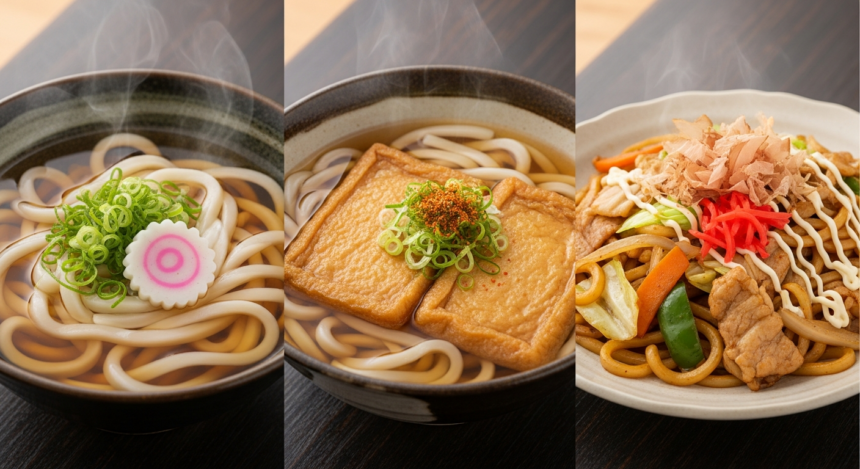
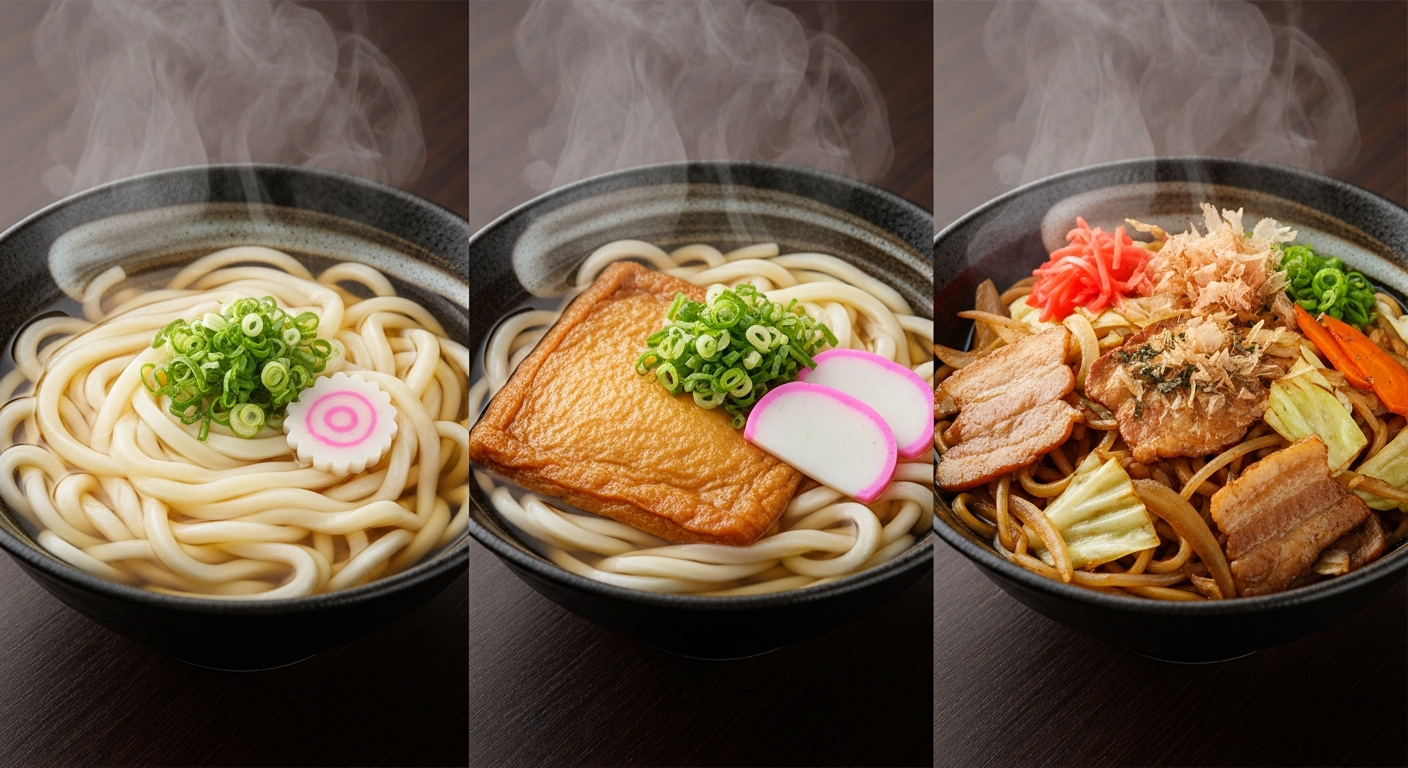
In the vast and vibrant tapestry of Japanese cuisine, few dishes evoke comfort and tradition quite like udon noodles. Thick, chewy, and endlessly versatile, udon serves as a canvas for a rich array of flavors and styles that have been perfected over centuries. From the simple, soothing warmth of kake udon to the sweet and savory allure of kitsune, and the sizzling, savory delight of yaki udon, these three classic variations showcase the diverse ways this humble noodle can be transformed. Join us as we embark on a flavorful journey through the world of udon, uncovering the stories, ingredients, and techniques that make each style uniquely captivating.
exploring Udon Noodles: Kake, Kitsune, and Yaki Styles opens a flavorful gateway into the diverse universe of udon noodle dishes, where comfort, balance, and bold flavors blend seamlessly. Among these, the soul-soothing broth of kake udon offers a gentle, savory embrace that warms from within, while kitsune udon’s sweet and savory fried tofu topping provides a delightful contrast that dances on the palate. Meanwhile, yaki udon brings vibrant stir-fried sensations, packing a punch with creative flavor combinations and textures. This section dives deep into the essence of each style,empowering you to master these iconic dishes.
Prep and Cook Time
- Prep Time: 15 minutes
- Cook Time: 25 minutes
- Total time: 40 minutes
Yield
Serves 4 generous bowls
Difficulty Level
Medium – approachable for home cooks with basic kitchen skills
Ingredients
- For kake Udon Broth:
- 6 cups dashi stock (preferably homemade or high-quality instant)
- 3 tablespoons soy sauce (light)
- 2 tablespoons mirin
- 1 teaspoon sugar
- 1/2 teaspoon salt (adjust to taste)
- For Kitsune Udon Toppings:
- 4 aburaage (fried tofu pockets), drained and blanched
- 1/4 cup soy sauce
- 2 tablespoons mirin
- 2 tablespoons sugar
- 1/2 cup water
- For Yaki Udon:
- 400g fresh udon noodles, cooked and drained
- 2 tablespoons vegetable oil
- 150g thinly sliced pork or tofu cubes (for vegetarian)
- 1 small onion, thinly sliced
- 1/2 cup shredded cabbage
- 2 scallions, chopped
- 2 tablespoons soy sauce
- 1 tablespoon oyster sauce (or vegetarian mushroom sauce)
- 1 teaspoon toasted sesame oil
- 1/2 teaspoon freshly ground black pepper
- Optional: 1/2 teaspoon chili flakes or togarashi for heat
Instructions
- Prepare the Kake Udon Broth: In a medium pot, combine the dashi stock, soy sauce, mirin, sugar, and salt. Bring to a gentle simmer over medium heat, stirring occasionally until sugar dissolves. Keep warm on low while preparing toppings.
- Simmer the Kitsune tofu: In a small saucepan, combine soy sauce, mirin, sugar, and water.Bring to a simmer, then add the aburaage. simmer gently for 10 minutes, flipping the tofu occasionally so it soaks up the sweet-salty broth evenly. Remove and slice in halves or thirds.
- Cook and Stir-Fry Yaki Udon: Heat vegetable oil in a large skillet or wok over medium-high heat. Add sliced pork or tofu, cooking until lightly browned (about 3-4 minutes). Add onion and cabbage, sautéing until softened but still crisp, approximately 4 minutes.
- Add cooked udon noodles to the skillet, stirring gently but thoroughly to separate noodles. Pour in soy sauce, oyster sauce, sesame oil, black pepper, and optional chili flakes. Toss stir-fry continuously for 3-5 minutes until noodles are heated through and evenly coated with sauces.
- Assemble Kake and Kitsune Udon Bowls: Divide udon noodles among deep bowls. Ladle hot kake broth over noodles, then top generously with simmered aburaage slices. Garnish with chopped scallions or a sprinkle of shichimi togarashi for added warmth and color.
- Plate Yaki udon: Serve instantly from the skillet or transfer to a platter. Garnish with extra scallions and a drizzle of toasted sesame oil for fragrance. Optional sprinkle of toasted sesame seeds adds visual and textural appeal.
Chef’s Notes & Tips for Success
- dashi stock: The backbone of kake udon broth, using a high-quality dashi enhances umami depth. Kombu and bonito flakes can be simmered or use instant dashi for convenience without sacrificing flavor.
- aburaage tofu: To avoid a greasy texture, blanch the fried tofu briefly in hot water before simmering. This also helps the sweet broth penetrate better.
- Noodle care: For yaki udon, ensure noodles are separated and slightly cooled before stir-frying to prevent clumping. Toss gently to keep noodles intact.
- Vegetarian swaps: Replace dashi with shiitake mushroom broth and oyster sauce with vegetarian alternatives to keep the flavors rich yet plant-based.
- Make-ahead: Broth and tofu topping can be prepared a day ahead and refrigerated. Reheat gently to preserve texture and flavor.
Serving Suggestions
Enjoy the kake udon broth garnished with thinly sliced scallions, a sprinkle of toasted sesame seeds, and a spoonful of freshly grated ginger for warmth. Kitsune udon is best accented with crisp seaweed strips (nori) or a soft-boiled egg to add creaminess.
yaki udon shines served with a side of pickled ginger, a wedge of lime for brightness, and a small dish of soy sauce or chili oil to customize the kick. Pair all three udon styles with a crisp cucumber sunomono salad for a refreshing balance.
| Nutrition (per serving) | Calories | Protein | Carbs | Fat |
|---|---|---|---|---|
| Kake Udon (Broth & Noodles) | 320 kcal | 10g | 60g | 3g |
| Kitsune Tofu Topping | 180 kcal | 8g | 18g | 6g |
| Yaki Udon | 450 kcal | 18g | 65g | 12g |

For further inspiration and recipes featuring conventional Japanese noodles,check out our Japanese noodle recipes collection. To deepen your knowledge of dashi stock fundamentals, visit The Spruce Eats - Dashi Broth Guide.
Q&A
Q&A: Exploring Udon Noodles - Kake, Kitsune, and Yaki styles
Q1: What exactly are udon noodles?
A: Udon noodles are thick, chewy wheat noodles that hail from Japan’s rich culinary heritage.Known for their satisfying texture and subtle flavor, udon serves as the perfect canvas for various broths, toppings, and preparations. Whether swimming in savory soup or stir-fried with vibrant ingredients, udon noodles bring comfort and versatility to the table.Q2: What distinguishes kake Udon from other udon dishes?
A: Kake Udon is the purest form of udon enjoyment-simple, elegant, and soul-warming. It features udon noodles served in a clear, steaming broth made primarily from dashi (a fish and seaweed stock), soy sauce, and mirin. The simplicity allows the delicate flavors of the noodles and broth to shine, often garnished with sliced scallions and a sprinkle of tempura flakes or chili flakes.
Q3: Why is Kitsune Udon called “kitsune”?
A: “Kitsune” means fox in Japanese, and this dish is affectionately named after a fox’s favorite food-sweet, fried tofu pockets called aburaage. Kitsune Udon sits in the same savory broth as Kake but is topped with these tender, sweetened aburaage slices, giving a delightful contrast of flavors and textures. The golden tofu imparts a gentle sweetness that perfectly complements the umami-rich broth.
Q4: How does Yaki Udon differ from the soup-based udon styles?
A: Yaki Udon is the spirited stir-fried sibling of udon noodles. Instead of a comforting broth, udon noodles are tossed and seared with savory sauces, vegetables, and often proteins like pork or chicken. The result is a smoky, hearty dish full of bold flavors and textural contrasts, demonstrating how udon’s adaptability spans from warm soups to sizzling stir-fries.
Q5: Can you describe the flavor profile of each style?
A: Certainly! Kake Udon is delicate and soothing, with a clear broth that’s mildly salty and umami-rich. Kitsune udon adds a layer of sweetness and softness thanks to the fried tofu,creating harmony between sweet and savory. Yaki Udon bursts with savory, often slightly caramelized notes from soy sauce and stir-fried ingredients, delivering boldness and a satisfying bite.
Q6: What makes udon noodles so special in Japanese cuisine?
A: Udon is more than just a noodle; it’s comfort food with cultural significance. Its thick, chewy texture contrasts with thinner noodles like soba or ramen, offering a different mouthfeel and eating experience.Udon adapts effortlessly-whether in a minimalist bowl or a vibrant stir-fry-making it a beloved staple across Japan’s regions and beyond.
Q7: Any tips for someone trying to cook these udon styles at home?
A: Absolutely! use fresh or high-quality dried udon noodles for the best texture. For Kake and Kitsune Udon, prepare a rich dashi broth-you can even find instant dashi powder to simplify the process. When making Kitsune,simmer aburaage in a mix of soy sauce,sugar,and mirin to infuse that signature sweetness. For Yaki Udon, don’t overcrowd your pan to get that nice sear, and toss the noodles with your sauce quickly to coat evenly without getting soggy.
Q8: Where can one best enjoy these udon styles outside Japan?
A: Many Japanese restaurants worldwide serve udon, but for authentic flavors, Japanese or Asian specialty eateries with a focus on traditional dishes are ideal. Some fusion restaurants also creatively reinterpret these styles. Alternatively, exploring local Japanese markets for fresh noodles and ingredients lets you bring the art of udon into your own kitchen.
Whether cuddled in a warm bowl of Kake, sweetly adorned like Kitsune, or charred and lively in Yaki, udon noodles invite you to savor Japan’s culinary artistry one chewy bite at a time.
Closing Remarks
Whether enjoyed simmering gently in a steaming bowl of kake udon, adorned with sweet, tender fox-shaped kitsune toppings, or sizzled to perfection as smoky yaki udon, these versatile noodles offer a delicious journey through Japan’s rich culinary tapestry. Each style tells its own story-of tradition, flavor, and comfort-inviting you to explore the many ways udon can warm both palate and spirit. So next time hunger calls, let these humble yet hearty noodles be your passport to a world of taste waiting to be savored, one slurp at a time.