
 there’s something undeniably magical about the moment when tender slices of beef meet a rich, savory broth, creating a symphony of flavors that dance on the palate. Sukiyaki, a beloved Japanese hot pot dish, owes its irresistible charm to one essential element: the broth. But not just any broth-the authentic sukiyaki broth, a carefully balanced blend of sweet and savory notes that transforms simple ingredients into a heartwarming feast. In this guide, we unlock the secret behind this iconic broth, revealing traditional techniques and time-honored ingredients that will empower you to recreate an unforgettable sukiyaki experience right in your own kitchen. Whether you’re a seasoned foodie or a curious kitchen adventurer, get ready to dive deep into the soul of Japan’s culinary heritage and master the art of authentic sukiyaki broth.
Unlock the secret of a truly authentic Japanese experience with the soul-warming essence of sukiyaki broth. This velvety,sweet-savory elixir carries centuries of culinary tradition from the heart of Japan,transforming simple ingredients into a communal feast that invites shared joy and rich,layered flavors.
Prep and Cook Time
- preparation: 10 minutes
- Cooking: 15 minutes
- Total: 25 minutes
Yield
- Serves 4 people
Difficulty Level
- Medium – Simple to master, but requires attention to ingredient balance
Key ingredients That Define Authentic Sukiyaki Flavor Profiles
The magic of sukiyaki broth lies in its harmonious blend of sweet, salty, and umami flavors, carefully marrying each component to create the perfect base for simmering tender slices of beef and fresh vegetables. The cornerstone ingredients include:
- Soy Sauce: A rich, fermented umami powerhouse, authentic Japanese soy sauce has a balance of saltiness and depth that forms the backbone of the broth.
- Mirin: This sweet rice wine adds a delicate sweetness and a smooth finish, softening soy sauce’s sharp edges.
- Sugar: Typically granulated or brown sugar, used sparingly to enhance the broth’s sweet dimension.
- Dashi Stock: The umami-rich stock made from kombu (kelp) and katsuobushi (bonito flakes) adds a subtle smoky and marine essence, elevating the broth beyond just soy and sugar.
Step by Step Guide to Crafting the Perfect Sukiyaki Broth at Home
- Prepare the Dashi Stock: Begin by soaking a 10cm piece of kombu in 3 cups of cold water for 30 minutes. Slowly heat until just before boiling, than remove the kombu.
- Add Bonito Flakes: Sprinkle 1 cup of bonito flakes into the hot water, letting it steep off the heat for 5 minutes before straining.This forms your dashi base – the soul of authentic sukiyaki broth.
- Combine Flavorings: In a separate pot, mix 1/2 cup soy sauce, 1/2 cup mirin, and 3 tbsp granulated sugar. gently warm the mixture over low heat until the sugar dissolves completely, ensuring a glossy, unified syrup.
- Merge and Simmer: Pour the soy-mirin syrup into the strained dashi stock. Bring to a gentle simmer,stirring occasionally. Watch closely-avoiding a boil keeps delicate flavors intact.
- adjust to taste: Sample your broth.If you prefer a sweeter profile, gradually add more sugar or mirin. For a deeper savory punch, a splash more soy sauce may be added. Remember, this broth is meant to be bold yet balanced to complement your main ingredients.
Expert Tips for Elevating Your Sukiyaki Experience with Broth Variations
- For a richer broth, incorporate a teaspoon of sake or substitute granulated sugar with brown sugar or honey for added complexity.
- Vegetarian variation: Replace bonito flakes with dried shiitake mushrooms and kombu for a deep, earthy dashi base.
- Layer flavors by adding finely grated ginger or a slice of fresh garlic during simmering, removing before serving for a subtle warmth.
- Make ahead: Prepare the broth in advance and store in an airtight container in the refrigerator for up to 3 days; reheat gently before use.
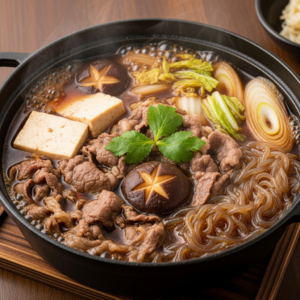
- Presentation tip: Use a shallow cast-iron pan or donabe (earthenware pot) to serve and simmer at the table, keeping the broth hot and infused with the ingredients’ flavors.
Ingredients
- 3 cups cold water
- 10cm kombu (dried kelp)
- 1 cup bonito flakes
- 1/2 cup soy sauce (preferably Japanese tamari or koikuchi)
- 1/2 cup mirin
- 3 tbsp granulated sugar
Instructions
- Soak the kombu in cold water for 30 minutes for optimum flavor extraction.
- Heat the water with soaked kombu over medium heat until bubbles start to form but before boiling; promptly remove kombu to prevent bitterness.
- Add bonito flakes off the heat; steep for 5 minutes to infuse smoky umami.
- Strain the stock through a fine mesh to yield a clear, golden broth.
- In a saucepan, combine soy sauce, mirin, and sugar; gently warm, stirring until sugar dissolves.
- Pour the soy-mirin mixture into the dashi stock; bring gently to a simmer, stirring occasionally.
- Taste and adjust seasoning gently-avoid boiling which can cause bitterness.
Chef’s Notes
- Balance is key: Sukiyaki broth is a nuanced blend of sweet and savory. Taste as you go and adjust slowly to avoid overpowering the natural flavors of your ingredients.
- Fresh ingredients: Use fresh kombu and freshly shaved bonito flakes for the most vibrant umami experience.
- Storage: The broth can be refrigerated for up to 3 days or frozen for longer shelf life.
- Broth Use: Not just for beef – use it to simmer tofu, mushrooms, green onions, and shirataki noodles for a deliciously authentic meal.
Serving Suggestions
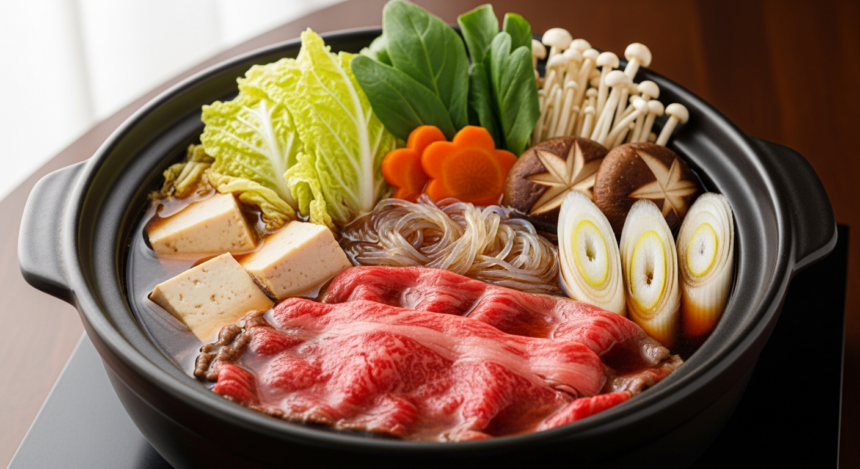
To fully embrace the communal spirit of sukiyaki, serve steaming slices of tender ribeye or sirloin, fresh leafy vegetables like napa cabbage, tender tofu cubes, and silky shirataki noodles directly in the simmering broth. Provide small bowls with beaten raw egg as an optional dip, lending a luscious, velvety counterpoint to the rich broth.
Garnish with a scattering of sliced green onions and a few sprigs of mitsuba (Japanese wild parsley) for freshness and visual contrast. Serve alongside steamed Japanese rice and a chilled glass of sake or green tea to round out the experience.
| Nutrition (per serving) | Amount |
|---|---|
| Calories | 110 kcal |
| Protein | 4 g |
| Carbohydrates | 12 g |
| Fat | 0.5 g |

Discover more about traditional Japanese dashi stocks for complementary recipes and techniques. For in-depth cultural insights on Japan’s culinary treasures, visit Japan Guide.
Q&A
Q&A: Unlock the Secret – Authentic Sukiyaki Broth recipe Guide
Q1: What makes sukiyaki broth so special compared to othre Japanese broths?
A1: sukiyaki broth is a harmonious symphony of sweet, savory, and umami flavors. Unlike delicate dashi or rich ramen broths, sukiyaki broth balances soy sauce’s deep saltiness with sugar’s gentle sweetness and mirin’s subtle tang, creating a luscious, warming base that perfectly complements thinly sliced beef and fresh vegetables. It’s a broth that invites you to savor every simmered bite.
Q2: What are the essential ingredients to unlock an authentic sukiyaki broth?
A2: The secret trio behind a truly authentic sukiyaki broth includes soy sauce, sugar, and mirin. Traditionally, a good-quality dashi stock-made from kombu (kelp) and bonito flakes-forms the foundation, infusing subtle oceanic umami. Some recipes add sake for an added depth and a splash of warmth. Getting the proportions right is key: a balance that’s neither too salty nor too sweet, but perfectly seductive.
Q3: Can I make sukiyaki broth without dashi stock?
A3: Absolutely! While dashi adds that quintessential Japanese umami, a simple substitute can be made with water combined with a touch of mushroom soaking water or a sprinkle of instant dashi powder. If you’re in a hurry or missing ingredients, focus on balancing soy sauce, sugar, mirin, and sake to create a rich and flavorful broth that still evokes the comforting essence of sukiyaki.
Q4: How do I adjust the broth for sweet or savory preferences?
A4: The beauty of sukiyaki broth lies in its versatility. For a sweeter profile, gently increase the sugar or mirin. Want it heartier and saltier? Add a splash more soy sauce.Remember, the broth will intensify as ingredients simmer in it, so maintain a gentle balance on the stovetop and taste as you go. Experimentation is part of the fun to make it uniquely yours!
Q5: is there a traditional way to enjoy sukiyaki broth once the meal is finished?
A5: Traditionally, after savoring the simmered beef and vegetables, the leftover broth is frequently enough enjoyed with rice or udon noodles to soak up every lingering drop of flavor. Some even dip a raw beaten egg into the simmering broth for a rich, silky texture before eating. It’s a delightful way to extend the meal and experience the full depth of that secret sukiyaki flavor.
Q6: Any insider tips for the perfect sukiyaki experience?
A6: Yes! Use thinly sliced high-quality beef-like ribeye or sirloin-for tenderness. Cook ingredients gently in the broth rather than boiling them vigorously to preserve delicate textures and flavors. Keep dipping sauces simple-frequently enough just a raw beaten egg or a splash of ponzu-to highlight the broth’s complexity. And savor the communal spirit of sukiyaki, cooking and eating together, which truly unlocks the heart of this beloved Japanese dish.
Unlocking the secret to authentic sukiyaki broth is less about rigid recipes and more about balancing flavors and sharing warmth. With this guide, your kitchen will be filled with the inviting aroma of tradition and the promise of tasty memories.
In Summary
as the final notes of simmering broth fade into memory, you now hold the key to an authentic sukiyaki experience that transcends the ordinary. This guide has unraveled the secrets behind every rich,sweet,and savory drop that defines Japan’s beloved hot pot. Armed with thes time-honored techniques and ingredients, your kitchen is ready to transform into a warm haven where tradition and flavor unite. So gather your loved ones,ignite your stove,and let the sukiyaki broth you’ve mastered tell its delicious story-one satisfying spoonful at a time.