
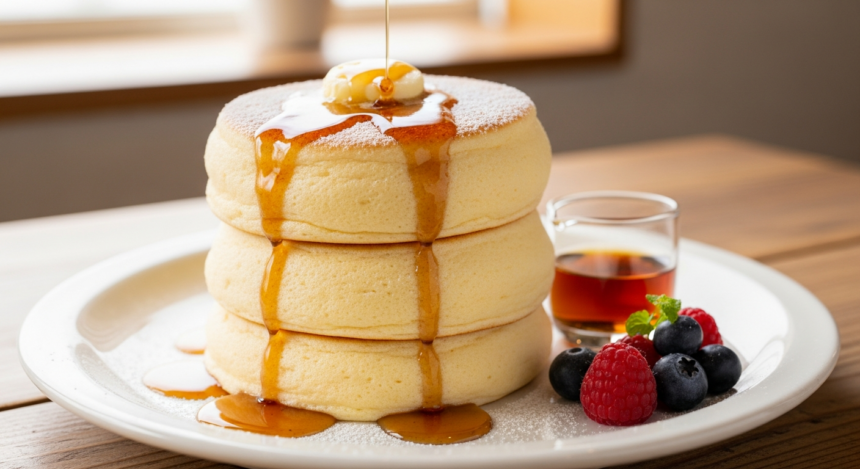
 There’s something irresistibly magical about those towering,cloud-like stacks of Japanese thick pancakes-soft,airy,and almost ethereal in their delicate fluffiness.Known as “soufflé pancakes,” thes delectable treats have taken the culinary world by storm, enchanting taste buds with their pillowy texture and subtle sweetness. But beyond the café counters and Instagram feeds lies a rewarding challenge: mastering these fluffy delights in the comfort of your own kitchen. In this article, we’ll unravel the secrets behind their signature rise, explore the essential techniques, and guide you step-by-step to creating your very own stack of Japanese thick pancakes that melt in your mouth and brighten any morning. Get ready to whisk, fold, and flip your way to pancake perfection!
Fluffy Delight is an irresistible treat that brings the magic of Japanese thick pancakes right into your kitchen. these airy, cloud-like cakes are a harmonious blend of science and art-each ingredient and technique plays a precise role in crafting their signature fluffiness. Originally inspired by Japan’s cozy cafés, mastering these pancakes at home invites you into a world where texture reigns supreme, and every bite feels like a warm embrace.
Prep and Cook Time
- Planning: 15 minutes
- Cooking: 20 minutes
- Total Time: 35 minutes
Yield
Serves 4 fluffy pancakes (about 2 pancakes per serving)
Difficulty Level
medium - Patience and precision are key, but the results are worth every step.
Ingredients
- 1 cup all-purpose flour, sifted
- 2 tsp baking powder
- 2 tbsp granulated sugar
- 1/4 tsp fine sea salt
- 3/4 cup whole milk
- 3 large eggs, separated
- 1/2 tsp vanilla extract
- 1 tbsp unsalted butter, melted + extra for the pan
- 1/2 tsp cream of tartar (optional, for stabilizing egg whites)
The Science Behind the Fluffiness: Understanding Ingredients and Techniques
At the heart of these pancakes lies a delicate balance of ingredients that work together to create that signature Fluffy Delight. The flour and baking powder provide structure while the separated eggs introduce air-an essential factor for lift. whipping the egg whites to soft peaks, then gently folding them into the batter, is what creates the airy interior without deflating the texture. The milk adds moisture and tenderness, while the melted butter enriches the flavor and helps brown the edges gently. Cream of tartar is an unsung hero; it stabilizes the meringue, making your peaks more resilient and your pancakes taller.
Choosing the Right Tools for Perfectly Thick Japanese Pancakes
Achieving these sky-high beauties requires more than just the right recipe-you need specific tools to guide your batter into fluffy perfection. A good non-stick frying pan with a heavy bottom ensures even heat distribution preventing burning and undercooking. For shaping, metal pancake rings or silicone molds help maintain height and keep edges clean. Whisking tools are crucial; an electric hand mixer or stand mixer speeds and optimizes egg white aeration.Lastly, a spatula with a thin, flexible blade allows gentle flipping without collapsing the cakes.
Step by Step Guide to Achieving the Ideal Fluffy Texture
- Prepare the dry ingredients by sifting flour, baking powder, sugar, and salt into a large bowl-this ensures no lumps and promotes uniform rise.
- Separate the eggs: place yolks in one bowl and whites in another.Beat the yolks with milk, vanilla, and melted butter until smooth.
- Combine wet and dry: Slowly mix the yolk mixture into the dry ingredients until just combined-overmixing can toughen the batter.
- Whip the egg whites: add cream of tartar if using and beat until soft peaks form.This incorporates air and acts as a natural leavening agent.
- Fold gently: Incorporate 1/3 of the whites into the batter to lighten it,then fold in the remaining whites carefully,preserving air bubbles.
- Heat your pan over low heat and lightly brush with melted butter. Place pancake rings if you have them, then spoon batter inside, filling about 3/4 full.
- Cover and cook low and slow: Cover the pan with a lid to trap steam, cooking for 5-6 minutes until bubbles form on the surface and edges look set.
- Flip carefully: Use a thin spatula to gently turn each pancake and cook for another 4-5 minutes with the lid on, until golden and fully cooked thru.
- Remove from pan and repeat with remaining batter, wiping and buttering the pan between batches.
Tips for Success
- Patience is paramount: low heat is the secret to perfect rise and avoiding burnt outsides with raw centers.
- Egg whites hold the key: avoid any yolk contamination for maximum volume.
- Use fresh baking powder: it significantly impacts the batter’s rise.
- Practice folding: incorporate whites without deflating by gently scooping from bottom and turning the bowl.
- Make-ahead tip: refrigerate batter for 10-15 minutes to relax gluten, improving overall texture before cooking.
Creative Toppings and Serving Suggestions to Elevate Your Pancake experience
Bring your Fluffy delight to life with a dazzling array of toppings that balance sweetness, freshness, and crunch. A light dusting of powdered sugar and a pat of unsalted butter is classic, but consider fresh berries and a drizzle of artisan maple syrup for a vibrant twist. Whipped cream infused with yuzu or matcha powder introduces subtle Japanese flavors, while a scattering of toasted nuts adds texture.For something more decadent, a dollop of house-made azuki bean paste (anko) or honey mascarpone creates layered richness. Serve on pastel-colored plates and garnish with edible flowers or mint to effortlessly impress.
| Nutrient | Per Pancake |
|---|---|
| Calories | 280 kcal |
| Protein | 8 g |
| Carbohydrates | 35 g |
| Fat | 10 g |

For more inspiration on Japanese cuisine, check out our Complete Guide to Japanese Desserts. To deepen your understanding of baking chemistry, this science of Baking article is an excellent resource.
Q&A
Q&A: Fluffy Delight – Mastering Japanese Thick Pancakes at Home
Q1: What exactly are Japanese thick pancakes?
A1: Think of them as the cloud-like cousins of Western pancakes-pillowy, tall, and incredibly soft. Japanese thick pancakes, or “soufflé pancakes,” are a delightful cross between a souffle and a pancake, with a texture so light and airy they almost float off your plate.
Q2: What makes these pancakes different from regular ones?
A2: The magic lies in the egg whites. Unlike conventional pancakes where the batter is mixed and poured straight, japanese thick pancakes rely on separately whipped egg whites folded into the batter. This gentle technique creates that signature fluff and towering height.
Q3: Can I master these pancakes at home without fancy gadgets?
A3: Absolutely! While some recipes call for a ring mold to keep pancakes perfectly round and high, you can improvise with clean metal rings or even cook them freeform with a low and steady heat. The secret is patience-low heat, slow cooking, and careful flipping.
Q4: What key ingredients do I need?
A4: Simple pantry staples: eggs, flour, sugar, baking powder, milk, and a pinch of salt. for that silky finish, some recipes add a little vanilla or cream of tartar to stabilize whipped egg whites. Freshness and quality eggs make all the difference.
Q5: How do I know when to flip my pancakes?
A5: Patience is your best friend here. The edges will start to set and you’ll see bubbles forming on the surface. When the bottom turns a golden brown and the pancake holds its shape when lightly nudged, it’s time for the gentle flip.
Q6: What toppings complement these fluffy delights?
A6: The sky’s the limit! Traditional toppings include whipped cream,fresh berries,maple syrup,or a dusting of powdered sugar. For a Japanese twist, try sweet red bean paste, matcha cream, or a drizzle of chestnut syrup.
Q7: any pro tips for extra fluffiness?
A7: Yes! Always separate your eggs with care, whip the whites to stiff peaks but avoid overbeating, and fold them gently into the batter using a spatula. Also, keeping the pan covered during cooking traps steam, helping pancakes rise and stay moist.
Q8: What common mistakes should I avoid?
A8: Don’t rush the cooking process with high heat-it leads to burnt outsides and undercooked centers. Avoid overmixing the batter after adding egg whites, as this deflates the air bubbles. And resist the urge to flip too early or too often!
Q9: Can I make these pancakes vegan or gluten-free?
A9: With some clever substitutions, yes! Aquafaba (the chickpea water) can mimic egg whites for fluffiness, and gluten-free flour blends work well.however, the textures might differ slightly, so it’s worth experimenting to find your perfect combination.Q10: Why are these pancakes gaining popularity worldwide?
A10: As they’re a joy to make and eat! Their ethereal texture, impressive height, and delicate flavor make them not just a breakfast but a culinary experience. Plus, who doesn’t love a dessert-like pancake that’s light enough to savor anytime?
Embrace the art of slow cooking and gentle folding, and soon your kitchen will be filled with the irresistible aroma of your own Fluffy Delight!
The Way Forward
As you set down your spatula and admire the towering, cloud-like masterpiece you’ve just created, remember that mastering Japanese thick pancakes is as much about patience and practice as it is about perfectly measured ingredients. These fluffy delights embody a delicate balance of science and artistry-a culinary dance of air, heat, and time that transforms humble batter into a soft, pillowy stack of happiness. So next time you crave a breakfast that feels like a warm hug, embrace this recipe with confidence. Your kitchen will soon be filled not just with the sweet aroma of syrup and butter, but with the joy of crafting something truly extraordinary from scratch. Happy flipping!