
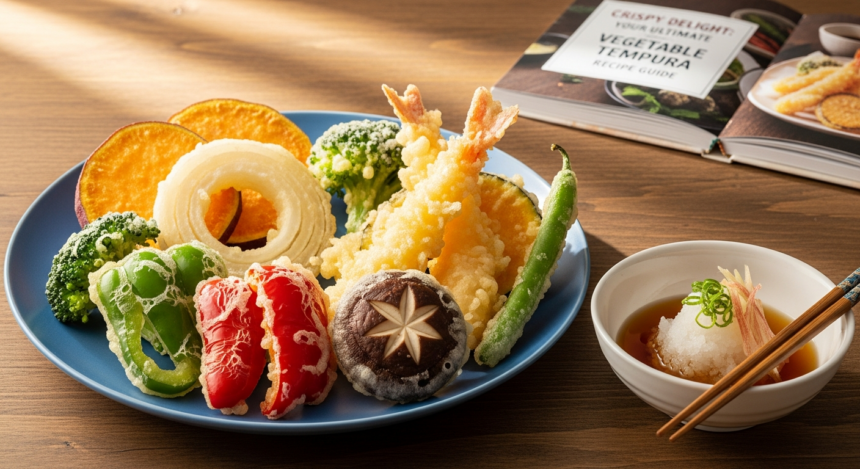
There’s something irresistibly magical about biting into a golden, crispy vegetable tempura – a delicate dance of light, airy batter enveloping vibrant, tender veggies, all sizzling with flavor and crunch. Whether you’re a seasoned home cook or a curious kitchen adventurer, mastering teh art of vegetable tempura opens the door to a world where simplicity meets sophistication. In this ultimate guide, we’ll unravel the secrets behind that perfect tempura batter, explore the freshest veggie picks, and share insider tips to help you create your very own crispy delight that’s sure to impress family and friends alike. get ready to transform everyday vegetables into a gourmet experience that’s as fun to make as it is to eat!
Crispy Delight: Your Ultimate Vegetable Tempura Recipe Guide
Crispy Delight begins with handpicked vegetables, perfectly battered and fried to achieve that irresistible light crunch with every bite. This iconic Japanese dish, rooted deeply in tradition yet beloved worldwide, transforms humble veggies into golden treasures. As a seasoned culinary content creator and food stylist, I’ve discovered the secrets behind selecting ideal vegetables, mastering the tempura batter, and refining frying techniques-all culminating in an elevated tempura experience you can recreate at home.
Prep and Cook Time
- Readiness: 20 minutes
- Cooking: 15 minutes
- Total Time: 35 minutes
Yield
Serves 4 as an appetizer or side dish
Difficulty Level
Medium – Perfect for cooks familiar with frying techniques, but approachable for motivated beginners
Ingredients
- For the Vegetables:
- 1 cup Japanese sweet potato, thinly sliced
- 1 cup shishito peppers, whole, stems removed
- 1 cup broccoli florets, bite-sized
- 1 cup shiitake mushrooms, stems trimmed
- 1 cup carrot sticks, julienned
- For the Tempura Batter:
- 1 cup all-purpose flour, sifted
- 1/2 cup cornstarch
- 1 cup ice-cold sparkling water
- 1 large egg, lightly beaten
- 1/2 teaspoon baking powder
- Pinch of sea salt
- For Frying:
- 3 cups vegetable oil or rice bran oil, for deep frying
- For Dipping Sauce (Tentsuyu):
- 1/2 cup dashi stock
- 2 tablespoons soy sauce
- 2 tablespoons mirin
- 1 teaspoon grated ginger
Instructions
- Select and prepare vegetables: Rinse and pat dry all vegetables thoroughly. Slice the Japanese sweet potatoes into 1/8-inch rounds and julienne the carrots. Arrange vegetables by size to ensure even frying.
- Prepare the batter: In a bowl, combine ice-cold sparkling water and beaten egg. Gently sift together the flour,cornstarch,baking powder,and salt. Gradually fold the dry mix into the wet ingredients with chopsticks or a fork-do not overmix; lumps are essential for that airy texture.
- Heat the oil: Pour vegetable oil into a deep, heavy-bottomed pot or deep fryer. Heat to 350°F (175°C) using a thermometer for precision. Maintaining temperature is key for crispy results.
- Dip and fry: Working in small batches,dip the vegetables into the batter,allowing excess to drip off gently. Carefully lower them into the hot oil. Fry for 2-3 minutes or until crisp and golden. Use a slotted spoon to transfer tempura to a wire rack or paper towels to drain excess oil.
- Prepare dipping sauce: While frying, combine dashi, soy sauce, mirin, and grated ginger in a small saucepan. Warm gently without boiling, then remove from heat and transfer to small dipping bowls.
- Serve immediately: Arrange the tempura on a platter with lemon wedges, fresh shiso leaves, and a sprinkle of sea salt for extra aroma and flavor contrast.
Tips for Success in Achieving Crispy Delight
- Keep all batter ingredients chilled, especially the sparkling water-this prevents gluten formation and ensures a light finish.
- Use rice bran oil or another high smoke point oil for clean, crisp frying with minimal residue.
- Avoid overcrowding the pan; frying in small batches preserves the oil temperature.
- Rest fried tempura on a wire rack rather than paper towels to retain crispiness on all sides.
- Experiment with vegetables that hold their shape yet provide contrasting textures, such as asparagus tips or green beans.
Serving Suggestions to Elevate Your Tempura Experience
Crispy Delight truly shines when beautifully presented and paired with complementary flavors. Serve tempura piping hot atop a simple bed of steamed Japanese rice or with chilled soba noodles for a satisfying meal.Freshly grated daikon radish and a small dish of sea salt offer delightful garnishes that awaken the palate. For dipping, the classic tentsuyu sauce with a hint of freshly grated ginger adds that perfect balance of savory and umami. Alternatively, try a tangy ponzu sauce or a creamy yuzu mayo for a modern twist.

Nutritional Information (Per Serving)
| Calories | Protein | Carbohydrates | Fat |
|---|---|---|---|
| 280 kcal | 5 g | 35 g | 12 g |
Explore More Culinary inspirations
Craving other Japanese classics? Discover our classic Miso Soup Recipe for a warming companion to your tempura. For an authoritative dive into tempura history and techniques, visit the Japan Guide, a trusted resource for authentic Japanese cuisine insights.
Q&A
Q&A: Crispy Delight – Your Ultimate Vegetable Tempura Recipe Guide
Q1: What is vegetable tempura, and why is it so popular?
A1: Vegetable tempura is a classic Japanese dish where fresh veggies are lightly battered and fried to golden, crispy perfection. Its allure lies in the contrast between the delicate crunch of the batter and the vibrant,natural flavor of the vegetables inside. It’s a delightful way to enjoy veggies with a satisfying texture and a subtle, savory taste.
Q2: Which vegetables work best for tempura?
A2: The texture and moisture content of vegetables matter! Ideal choices include sweet potatoes, asparagus, bell peppers, zucchini, mushrooms, eggplant, and green beans.These veggies hold their shape well during frying and provide a stunning bite beneath the airy batter.
Q3: What’s the secret to achieving that iconic crispy tempura batter?
A3: lightness and coldness are key! Use ice-cold water when mixing your batter to slow gluten formation, resulting in a delicate, crispy coating.Mix the batter just until combined-lumps are welcome! Avoid overmixing, which can make the batter heavy. Also,use a light flour like cake flour or a tempura-specific mix,and fry immediately after mixing.
Q4: How hot shoudl the oil be, and which oil is best for frying tempura?
A4: Aim for 350°F to 375°F (175°C to 190°C) to get that perfect crunch without absorbing too much oil. Neutral oils with high smoke points like vegetable, canola, or peanut oil work wonderfully. Keeping oil temperature steady is essential for crisp, non-greasy tempura.
Q5: Can I make tempura batter in advance?
A5: Fresh is best! Tempura batter is at its peak immediately after mixing as bubbles create that signature crispiness. Batter left to sit can become heavy and lose its airy texture. For best results, prepare and fry in small batches.
Q6: Any tips for frying tempura like a pro?
A6: Absolutely! Don’t overcrowd the pan-this drops the oil temperature and makes tempura soggy. Fry in small batches and give pieces plenty of space to float and cook evenly. Drain on a wire rack rather than paper towels to keep the coating crisp. serve tempura hot and fresh for maximum delight.
Q7: What dipping sauces pair perfectly with vegetable tempura?
A7: The classic tempura dipping sauce, tentsuyu, combines dashi broth, soy sauce, and mirin for a savory-sweet kick. For a twist, try ponzu (citrusy soy), wasabi mayo, or even a spicy sriracha mayo for some heat. The goal is to complement-not overpower-the delicate fried flavors.
Q8: Can vegetable tempura be made gluten-free?
A8: Yes! Swap regular flour for rice flour or a gluten-free flour blend, and double-check your dipping sauce ingredients.The result is just as crispy and delightful, perfect for gluten-sensitive food lovers.
Q9: How do I store and reheat leftover tempura?
A9: Tempura is best enjoyed fresh, but if leftovers remain, keep them in a single layer on a paper towel-lined plate in the fridge. To reheat, use a hot oven or air fryer (around 350°F/175°C) for a few minutes to revive that crisp texture-skip the microwave if you wont to avoid sogginess.Q10: Can I experiment with tempura beyond vegetables?
A10: Definitely! Tempura isn’t limited to veggies-shrimp, herbs, even edible flowers shine in this style. The trick is choosing ingredients that fry quickly and have a clean flavor that pairs well with the light batter.
Ready to embark on your crispy vegetable tempura adventure? Keep these tips close, gather your freshest produce, and prepare to impress with every crunchy bite!
to sum up
As the golden crunch of each perfectly battered vegetable melts in your mouth, you’ll understand why vegetable tempura isn’t just a dish-it’s an experience.With this ultimate guide in hand, you’re equipped to transform humble veggies into crispy delights that dance between lightness and flavor. Whether you’re a kitchen novice or a seasoned chef, mastering tempura opens the door to endless creative possibilities and satisfying bites. So roll up your sleeves, heat that oil, and let every crispy, delicate bite bring a little more joy-and a lot more crunch-to your table. Happy frying!