
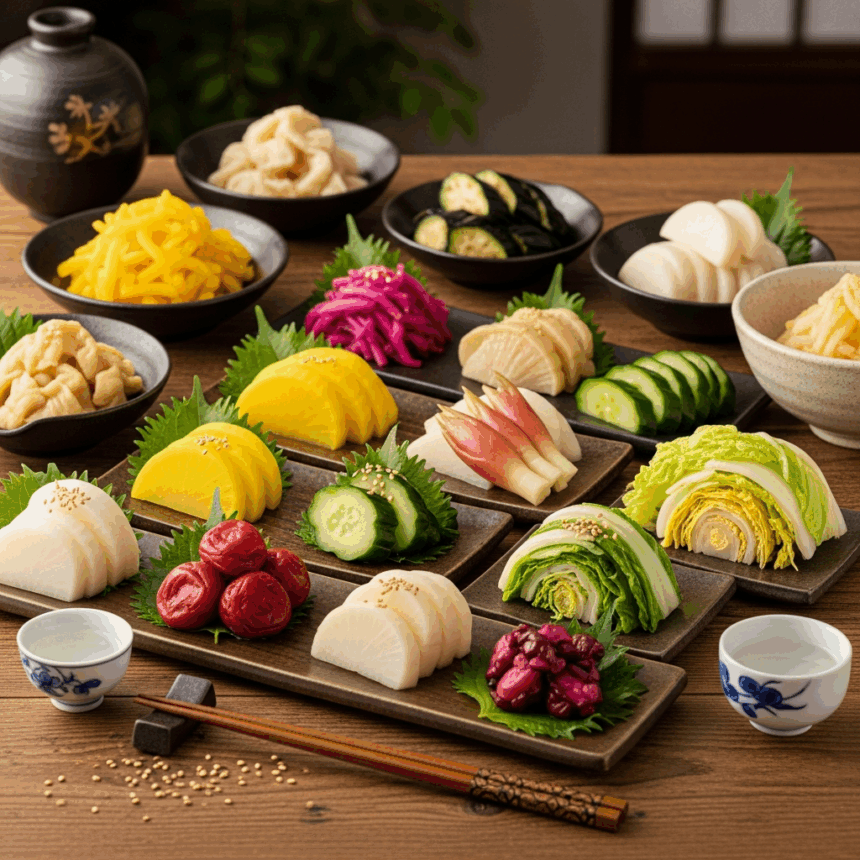
In the vibrant tapestry of japanese cuisine, where every dish tells a story, tsukemono-traditional Japanese pickles-stand as both humble accompaniments and flavorful legends. More than mere sides on a plate, these colorful, crisp morsels embody centuries of culinary artistry, transforming simple vegetables into tangy treasures that awaken the palate and enrich the dining experience. From the sun-dried sunomono to the rich, fermented umeboshi, tsukemono offer a captivating glimpse into Japan’s culture, history, and the delicate balance of taste. Join us as we explore the intricate craft, diverse flavors, and cultural significance of tsukemono, and discover why these pickled gems remain an enduring symbol of Japan’s gastronomic heritage.
tsukemono: Exploring the Art and Flavor of Japanese Pickles
Tsukemono,the cherished Japanese pickles,offer more than just a tangy crunch-they embody centuries of culinary tradition that connects people to Japan’s diverse regions and rich history. From the salty napa cabbage of Kyoto to the sweet daikon pickled in Akita,these preserved vegetables illustrate an artful harmony of flavor,texture,and technique that has been perfected over generations. Whether you’re mastering the classic salt-pickling method or experimenting with unique regional spices, crafting Tsukemono at home invites a deep sensory experience and a vibrant connection to Japanese culture.
Prep and Cook Time
- Planning: 30 minutes (plus soaking/fermentation time)
- Fermentation/Pickling: 1 hour to 7 days (depending on method)
- Total Time: Varies – from swift tsukemono to aged favorites
Yield
- About 4 servings (as a side dish or accompaniment)
Difficulty Level
- Medium – Requires attention to detail and timing for desired flavor and crunch
Ingredients
- 1 medium daikon radish, peeled and cut into 1/2-inch thick rounds
- 2 tablespoons kosher salt
- 1 tablespoon sugar
- 2 tablespoons rice vinegar
- 1 teaspoon soy sauce
- 1 teaspoon dried chili flakes (optional for mild heat)
- 1 piece kombu (dried kelp), about 4 inches long
- 1 teaspoon toasted sesame seeds (for garnish)
Instructions
- Prepare the daikon: Start by peeling the daikon radish and slicing it into 1/2-inch thick rounds. If you prefer smaller bites, quarter each round into wedges.This shape ensures even pickling.
- Salt the daikon: Place the cut daikon in a large bowl and sprinkle evenly with kosher salt. Use your hands to massage the salt into the pieces, encouraging them to release moisture. Let sit for 30 minutes to 1 hour until the daikon becomes slightly wilted and fragrant.
- Make the pickling liquid: While the daikon is resting,combine sugar,rice vinegar,soy sauce,and dried chili flakes in a small saucepan. Warm gently over low heat,stirring until sugar dissolves.Remove from heat and cool to room temperature.
- Assemble the tsukemono: Rinse the salted daikon under cold water briefly to remove excess salt, then drain and pat dry thoroughly with paper towels. In a clean glass jar or ceramic pickling vessel, layer daikon slices and place the piece of kombu on top.
- pour in the pickling liquid: Ensure the daikon is fully submerged. Press gently to remove air bubbles. Seal the jar and refrigerate.
- Pickle and serve: Allow the tsukemono to pickle for at least 24 hours for a crisp, lightly flavored bite. For deeper flavor,wait 3-5 days. Taste daily to monitor the balance of sweetness, saltiness, and acidity.
- Garnish and enjoy: Just before serving,sprinkle with toasted sesame seeds for a nutty aroma and crunch.Serve chilled as a refreshing palate cleanser or side with rice and grilled fish.
Chef’s Notes
- For a traditional texture, avoid slicing vegetables too thin; thicker cuts retain crunch better during fermentation.
- Experiment with regional ingredients like shiso leaves or umeboshi (pickled plum) to add subtle variations and deepen aroma.
- If you prefer a quicker Tsukemono, try the “Asazuke” method, which uses light salting or vinegar pickling for just a few hours.
- Kombu adds umami depth-don’t skip it! Alternatively, sprinkle in some toasted sansho pepper for a radiant, citrusy finish.
- To extend shelf life, always use clean utensils and airtight containers; well-made pickles can last up to a week refrigerated.
Serving Suggestions
Tsukemono is the perfect companion for a traditional Japanese meal,adding crunchy texture and a burst of flavor that cuts through rich dishes like Japanese curry or sashimi platters. Serve on a small dish alongside steamed rice to refresh the palate between bites, or layer on top of onigiri for a tantalizing contrast. Garnish with finely chopped scallions or a few drops of toasted sesame oil to elevate visual appeal and add another flavor layer. For an authentic touch, pair with a cup of hot green tea or light sake to balance the savory and sweet notes.

| Nutrient | Per Serving |
|---|---|
| Calories | 25 kcal |
| Protein | 0.5 g |
| Carbohydrates | 6 g |
| Fat | 0.1 g |
Interested in diving deeper into japanese culinary traditions? Explore our detailed guide on umeboshi pickled plums, or learn about fermentation science with this NPR article on fermentation benefits.
Q&A
Q&A: Tsukemono – Exploring the Art and Flavor of japanese Pickles
Q1: What exactly are tsukemono?
A1: Tsukemono (漬物) are traditional Japanese pickled vegetables, a colorful and flavorful staple that adds crunch, tang, and umami to meals. The word literally means “picked things,” referring to vegetables preserved in salty, sour, or sweet brines, sometimes fermenting for days to months. They’re as much art as sustenance, showcasing Japan’s love for seasonal ingredients and craftsmanship.
Q2: Why are tsukemono so critically important in Japanese cuisine?
A2: Tsukemono act as palate cleansers, appetite stimulants, and visual accents on the dining table.Their sharp, refreshing flavors balance rich, hearty dishes like rice, grilled fish, or ramen. Beyond taste, they reflect Japan’s seasonality and attention to detail – a tiny pickle can embody the spirit of a season or region.
Q3: What are some common types of tsukemono?
A3: There are many! Popular varieties include umeboshi (pickled plums), takuan (bright yellow pickled daikon radish), shibazuke (purple pickles with eggplant and shiso leaves), and fukujinzuke (a sweet, crunchy mix frequently enough served with curry). Each has distinct textures and flavors, from salty and sour to sweetly tangy.
Q4: How are tsukemono traditionally made?
A4: Traditional tsukemono require patience and skill. Vegetables are first cleaned and sometimes blanched. they’re then packed in salt, rice bran, vinegar, sake lees, or miso, depending on the recipe. The pickling container is pressed down-often with stones-to extract moisture and deepen flavors.Time transforms crisp veggies into flavorful bites brimming with depth.
Q5: Is there a cultural story behind tsukemono?
A5: absolutely! Historically, tsukemono preserved winter vegetables for lean months and symbolized thrift and mindfulness. They were also integral to Buddhist vegetarian meals and tea ceremonies,highlighting simplicity and harmony. Today, enjoying tsukemono connects us to centuries-old traditions and Japan’s reverence for nature’s bounty.
Q6: Can tsukemono be made at home?
A6: Yes! Basic tsukemono are surprisingly accessible for home cooks-salt-pickled cucumbers or napa cabbage can be ready within days with minimal equipment. creating your own allows experimentation with flavors and textures, turning everyday veggies into personalized masterpieces.
Q7: Where can one try authentic tsukemono outside Japan?
A7: Specialty Japanese restaurants, izakayas, and Asian markets often carry tsukemono, but the freshest flavors appear when handmade. Some high-end Japanese eateries serve seasonal and regional pickles as part of the meal experience. Exploring local Japanese communities or doing a tasting tour in culinary hubs can be a delicious adventure.
Q8: How do tsukemono reflect Japanese aesthetics?
A8: Tsukemono capture wabi-sabi-the beauty of imperfection and transience-through their natural shapes, colors, and subtle variances. Their small portions remind diners to savor each bite mindfully.Each pickle’s bright hue and texture act as edible art, harmonizing with the overall plate composition.Q9: Are tsukemono healthy?
A9: Generally, yes! Tsukemono provide probiotics when fermented naturally, aiding digestion. They’re low in calories and rich in vitamins, though sodium content can be high.Moderation is key,but their probiotic benefits and vegetable intake support balanced nutrition.
Q10: What’s the best way to enjoy tsukemono?
A10: Tsukemono shine alongside steamed rice, grilled fish, and miso soup, adding zest and contrast. They’re also fantastic with bento lunches, sushi, or even creative cocktails. The secret is pairing their brightness against richer flavors-a small bite of tsukemono can refresh and elevate your entire meal experience.
Explore the world of tsukemono, and you’ll uncover Japan’s deep culinary heritage-where simplicity meets subtlety and pickles tell stories of place, season, and soul.
The Conclusion
From crunchy cucumbers to vibrant daikon, tsukemono transform simple vegetables into bursts of tangy, salty, and umami-rich delight-a testament to the ingenuity woven into Japanese culinary tradition.As we’ve explored, these humble pickles are more than mere side dishes; they embody the art of preservation, seasonality, and balance, offering a flavorful bridge between past and present. Whether enjoyed alongside steaming rice, enhancing a bento box, or adding a zesty twist to modern fusion plates, tsukemono invite us to savor the subtle beauty of fermentation and salt-curing. So next time you reach for that little dish of pickles, remember: within those vibrant slices lies centuries of culture, care, and a world of flavor waiting to be discovered.