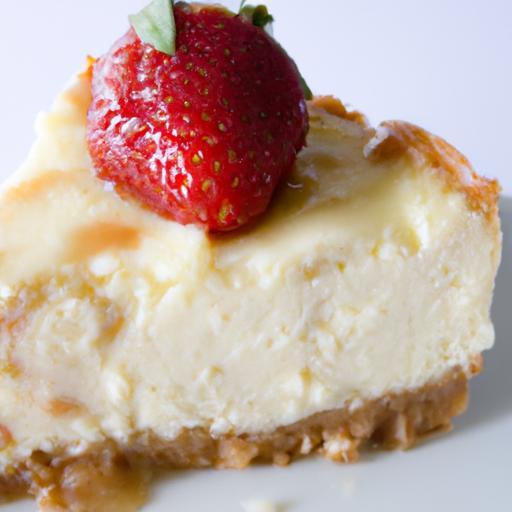


There’s something undeniably magnetic about lemon meringue pie-a dessert that effortlessly balances tartness and sweetness with a cloud-like, toasted topping. Beyond its vibrant citrus zing and pillowy peaks lies a rich history and a fascinating chemistry of flavors that has captivated taste buds for generations. In this article, we peel back the layers of the zesty charm of lemon meringue pie, exploring its origins, its culinary magic, and why it continues to hold a cherished place on dessert tables around the world. Prepare to discover how a humble combination of lemon, sugar, and egg whites transforms into an iconic masterpiece of flavour and texture.
The Zesty Charm of Lemon Meringue Pie begins with a captivating tale of citrusy delight and sweet clouds, inviting every baker to experience the perfect marriage of tartness and airy sweetness. This iconic dessert has journeyed from humble beginnings in early 19th-century kitchens to becoming a beloved classic that dazzles the palate and brightens any table. Its harmonious layers-a buttery crust, tangy citrus filling, and billowy golden meringue-make it a masterpiece of textures and flavors that continues to inspire creative adaptations today.
Prep and Cook Time
- Planning: 30 minutes
- Cooking: 40 minutes
- Total Time: 1 hour 10 minutes
Yield
Serves 8 generous slices
Difficulty Level
Medium – ideal for bakers pleasant with meringue techniques and pie crust handling
Ingredients
-
- For the crust:
- 1 ¼ cups all-purpose flour, sifted
- ½ cup unsalted butter, chilled and cubed
- 2 tbsp granulated sugar
- ¼ tsp salt
- 3-4 tbsp ice cold water
- For the lemon filling:
- 1 cup granulated sugar
- 3 tbsp cornstarch
- 1 ½ cups water
- 3 large egg yolks, lightly beaten
- ⅓ cup fresh lemon juice (about 2-3 lemons)
- 1 tbsp lemon zest, finely grated
- For the crust:
>
-
- 2 tbsp unsalted butter
- For the meringue:
- 4 large egg whites, at room temperature
- ½ tsp cream of tartar
- ¾ cup granulated sugar
Instructions
- Prepare the crust: In a large bowl, combine the flour, sugar, and salt. Cut in the butter using a pastry cutter or fingers until the mixture resembles coarse crumbs.
- Add ice cold water, one tablespoon at a time, mixing just until dough forms. Do not overwork.
- Shape dough into a disc, wrap in plastic, and refrigerate for 30 minutes.
- Roll out the chilled dough on a lightly floured surface to fit a 9-inch pie pan. Carefully transfer and trim edges. Prick the bottom with a fork to prevent bubbling.
- Preheat oven to 375°F (190°C). Line crust with parchment and fill with pie weights or dried beans. Blind bake for 15 minutes.
- Remove weights and parchment, bake another 8 minutes until golden. Cool completely.
- Make the lemon filling: In a medium saucepan,whisk together sugar and cornstarch. Slowly add water, stirring until smooth.
- Cook over medium heat, stirring constantly until mixture thickens and starts to bubble, about 5-6 minutes.
- Temper the egg yolks by gradually whisking a small amount of hot lemon mixture into them, then return to saucepan. Cook 2 more minutes, stirring continuously.
- Remove from heat; stir in lemon juice, zest, and butter until smooth. Pour into cooled crust immediately.
- Prepare the meringue: In a clean bowl, beat egg whites and cream of tartar on medium speed until soft peaks form.
- Gradually add sugar, a tablespoon at a time, beating on high until stiff, glossy peaks form.
- Spread meringue evenly over the hot lemon filling, sealing edges to the crust to prevent shrinking.
- Bake at 350°F (175°C) for 12-15 minutes or until meringue is golden and slightly crisp.
- Cool at room temperature for 1-2 hours before chilling in the refrigerator for at least 3 hours to set completely.
Tips for Success
- Ensure the mixing bowl and beaters are completely free of grease before whipping egg whites for a stable meringue.
- use fresh lemons for the filling; bottled lemon juice can lack the vibrant tang that defines this pie.
- Seal the meringue onto the crust edges to avoid weeping or shrinkage during baking.
- If your meringue weeps liquid, consider baking at a slightly lower temperature or adding a teaspoon of cornstarch to the meringue to stabilize.
- Make the crust ahead and freeze to save time on busy days, then bake and fill when ready.
Serving Suggestions
Slice your lemon meringue pie with a hot, sharp knife to maintain clean edges. Garnish with fresh lemon slices, finely grated zest, or a sprinkle of toasted coconut flakes for texture contrast. Pair this delightful dessert with a smooth, chilled cup of chamomile tea or a dollop of lightly sweetened whipped cream for a decadent finish. For celebrations, consider serving individual mini pies in ramekins topped with edible flowers.

| Nutrient | Per Serving (1 slice) |
|---|---|
| Calories | 320 kcal |
| Protein | 5 g |
| Carbohydrates | 48 g |
| Fat | 10 g |
For those eager to explore more citrus-infused baking adventures, check out our detailed guide on Citrus Dessert Recipes. To delve deeper into the science behind meringue stability, visit this authoritative resource from Serious Eats.
Q&A
Q&A: The Zesty Charm of Lemon Meringue Pie Uncovered
Q1: what makes lemon meringue pie so irresistibly zesty?
A1: At the heart of lemon meringue pie lies a tangy lemon custard that bursts with shining, citrusy flavor. The zingy lemon juice and zest infuse the filling with a refreshing tartness that awakens the palate,balancing sweetness with a lively sparkle. This vibrant citrus core is what gives the pie its unmistakable zesty charm.
Q2: How does the meringue contribute to the pie’s unique appeal?
A2: The meringue crowns the pie with a light, airy cloud of sweetness that contrasts beautifully with the tart lemon filling. Its billowy peaks, frequently enough toasted to golden perfection, bring a delicate crunch and subtle caramel notes, making each bite a harmonious dance between tang and sweetness.
Q3: Why is the crust critically important in elevating lemon meringue pie?
A3: The crust acts as the sturdy foundation of the pie’s flavor symphony. typically buttery and flaky, it offers a tender, slightly savory base that complements the pie’s sweet-tart personality. A well-made crust also provides textural contrast-crisp edges that frame the luscious custard and silky meringue.
Q4: Can lemon meringue pie be adapted for different tastes or dietary needs?
A4: Absolutely! The classic recipe welcomes creativity.For those avoiding gluten, nut-based or gluten-free crusts can be a delightful substitute. Vegan lemon meringue pies use aquafaba-a chickpea water miracle-to mimic meringue’s fluffiness. And playing with sweetness levels or adding herbal notes like lavender can personalize the zesty allure.Q5: What’s the secret to achieving the perfect lemon custard?
A5: The custard’s luscious texture comes from gently cooking lemon juice, sugar, egg yolks, and butter just until thickened. Precision is key-overheating curdles the eggs, undercooking leaves it runny. The addition of lemon zest enhances aromatic oils, elevating the citrus intensity and ensuring a smooth, velvety filling that’s both tart and sweet.
Q6: How did lemon meringue pie become a beloved dessert classic?
A6: Originating in the early 19th century, lemon meringue pie was a clever marriage of simple ingredients that addressed a sweet-tart craving with elegant presentation. Its rise in popularity was boosted by cookbooks and home bakers enamored with desserts that looked as impressive as they tasted-a golden meringue topping shining like sunshine on a plate.Q7: What’s the best way to serve and enjoy lemon meringue pie?
A7: Serve lemon meringue pie slightly chilled to let the custard set perfectly, with the meringue still soft and marshmallowy inside. A sprinkle of fresh lemon zest or a few edible flowers can add a fresh touch. Pair it with a cup of crisp tea or a light dessert wine to complement its zesty, sweet allure.
Q8: Is lemon meringue pie more than just a appetizing dessert?
A8: Indeed! Beyond its delightful flavor, lemon meringue pie captures a culinary story of balance-between sweet and tart, soft and crisp, humble ingredients and complex technique. Each slice invites a sensory experience, reminding us how food can be playful, bright, and irresistibly charming all at once.
Closing Remarks
As the final slice of lemon meringue pie disappears, we’re reminded that its zesty charm is more than just a sweet ending-it’s a celebration of balance, texture, and tradition. Behind each tangy bite and fluffy cloud of meringue lies a story of culinary artistry that has captivated taste buds for generations. Whether you’re a seasoned baker or simply a fan of this citrusy delight, embracing the magic of lemon meringue pie is an invitation to savor life’s little pleasures, one luscious forkful at a time. So next time you crave a dessert with a spark of sunshine, let this timeless classic brighten your day with its irresistible zing and airy grace.