
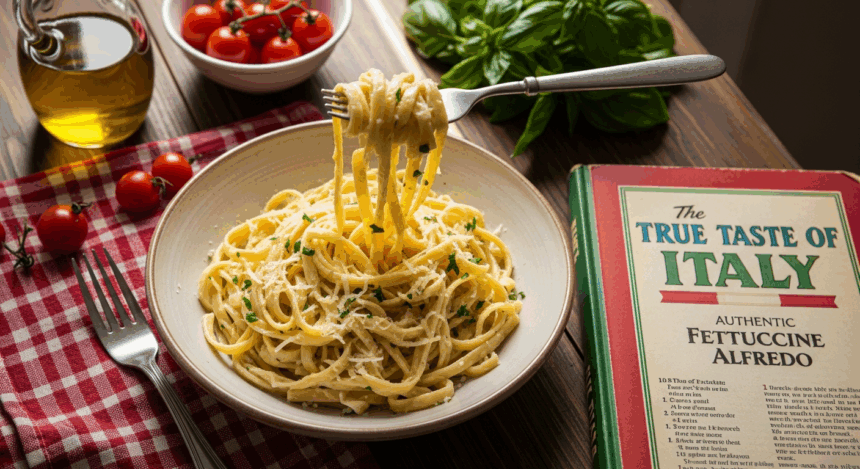
Italy’s culinary landscape is a rich tapestry woven with centuries of tradition, passion, and regional flair-each dish telling a flavorful story of its origin. among these beloved classics, Fettuccine Alfredo stands out as a creamy, comforting symphony of simple ingredients that has captured hearts worldwide.Yet, far beyond the creamy plates served in countless restaurants abroad lies the true essence of this Roman favorite. In this article, we embark on a delicious journey to uncover the authentic Fettuccine Alfredo recipe-unveiling the original techniques and secrets that transform humble pasta, butter, and Parmesan into a dish that embodies the true taste of Italy. Prepare to savor history, culture, and culinary mastery all in one forkful.
Discovering the origins of Fettuccine Alfredo offers a delicious gateway into Italy’s rich culinary heritage. This iconic dish,born in early 20th-century Rome,elegantly combines simplicity with indulgence,reflecting the Italian love for quality ingredients and timeless technique. Famously created by Alfredo di Lelio to tempt his wife’s appetite, it quickly grew from a humble family favorite to a global sensation, embodying warmth, comfort, and a touch of la dolce vita. As you embark on mastering this classic, you’ll uncover not only the art of fresh pasta but also how cultural traditions elevate a few ingredients into a celebration of flavor and texture.
Prep and Cook Time
- Planning: 30 minutes
- Cook time: 15 minutes
- Total time: 45 minutes
Yield
Serves 4 generous portions
Difficulty Level
Medium – Ideal for those comfortable with homemade pasta but rewarding for adventurous cooks at any level
Ingredients
- For fresh fettuccine:
- 2 cups all-purpose flour, sifted
- 3 large egg yolks
- 1 whole large egg
- 1 tbsp extra virgin olive oil
- Pinch of fine sea salt
- For Alfredo sauce:
- 1 cup unsalted butter (fresh, high-quality)
- 1 ½ cups freshly grated Parmigiano-Reggiano cheese
- 1 cup heavy cream (optional – to achieve classic creamy texture)
- Freshly ground white pepper (to taste)
- Pinch of nutmeg (optional)
- Coarse sea salt for pasta water
Instructions
- Make the fresh fettuccine dough: On a clean surface, create a well in the flour. Crack in egg yolks, whole eggs, olive oil, and salt. Using a fork, gradually incorporate flour from the edges until a soft dough forms.
- Knead: Work the dough with yoru hands for about 8-10 minutes until smooth and elastic. Cover with a damp cloth and let rest for 30 minutes at room temperature.
- Roll and cut pasta: Divide dough into 4 pieces. Using a pasta machine or rolling pin, thin to about 1/16-inch. Lightly dust with flour and cut into ¼-inch wide strips, forming fettuccine.
- Cook pasta: Bring a large pot of salted water to a rolling boil. Add fresh fettuccine, cook for 2-3 minutes until al dente. Reserve ½ cup pasta water, then drain.
- Prepare Alfredo sauce: In a wide skillet, melt butter over low heat. Stir in heavy cream, warming gently but not boiling.
- Add cheese: Gradually whisk in Parmigiano-Reggiano until melted and silky smooth. Season with white pepper and nutmeg.
- Toss pasta in sauce: Add drained fettuccine to the skillet. Toss delicately to coat, adding reserved pasta water little by little to adjust consistency until silky and luxurious.
- Serve immediately: Plate with a fresh sprinkle of grated parmigiano and cracked white pepper for added aroma.
tips for Success
- Freshness is key: Use freshly grated Parmigiano-Reggiano for the best melt and flavor contrast.
- Balancing texture: Don’t overwork the dough; rest periods help gluten relax, making rolling easier.
- Butter quality: Opt for unsalted European-style butter for its higher fat content and creamier finish.
- No cream version: For purists, omit heavy cream and rely solely on butter and cheese, tossing pasta off the stove to emulsify the sauce.
- Leftovers: Reheat gently with a splash of cream or reserved pasta water to restore sauce’s silkiness.
Serving Suggestions
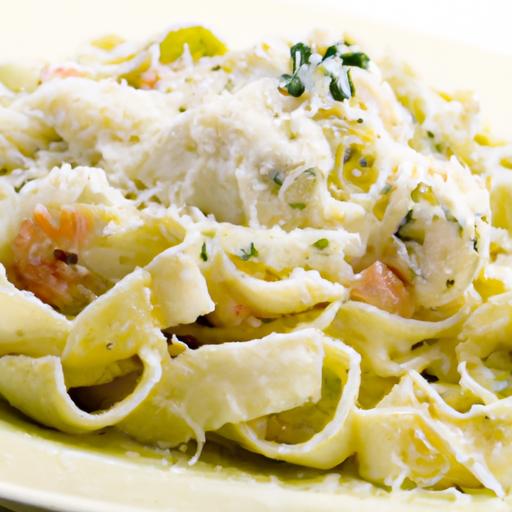
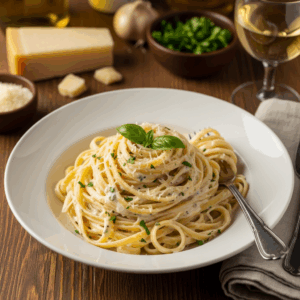
Plate your fettuccine Alfredo in shallow bowls to showcase the glossy sauce. Garnish with fresh flat-leaf parsley for color and a whisper of brightness. Serve alongside a crisp arugula salad tossed with lemon and olive oil to balance richness. An elegant glass of chilled Italian white wine, such as Pinot Grigio, will complete this authentic experience beautifully.

| Nutrient | Per Serving |
|---|---|
| Calories | 620 kcal |
| Protein | 22 g |
| Carbohydrates | 55 g |
| Fat | 35 g |
For further exploration on Italy’s pasta traditions, visit Britannica’s pasta history. Dive deeper into authentic Italian cooking techniques and embrace the true taste of Italy in every bite.
Q&A
Q&A: The True Taste of italy - Authentic Fettuccine Alfredo Recipe
Q1: What makes Fettuccine Alfredo truly authentic?
A1: The true heart of authentic Fettuccine Alfredo lies in its simplicity and the quality of its ingredients. Unlike the heavy cream-laden versions popular abroad,the original Roman recipe uses just three key ingredients: fresh fettuccine,butter,and Parmigiano-Reggiano cheese.No cream, no garlic, no heavy sauces-just silky pasta coated in a luscious, buttery cheese emulsion.
Q2: where did Fettuccine Alfredo originate?
A2: Fettuccine Alfredo hails from Rome, Italy. It was created by Alfredo di Lelio in the early 1900s as a comforting, rich meal for his wife.The dish grew famous for its creamy texture despite its minimal ingredients-thanks to the masterful technique of emulsifying butter and cheese with hot pasta water.
Q3: How do you achieve that perfect creamy sauce without cream?
A3: The magic happens when you combine freshly cooked fettuccine with warm butter and Parmigiano-reggiano cheese, tossing vigorously so the starchy pasta water helps the butter and cheese cling to each strand. This creates a glossy, velvety sauce that coats every bite. It’s all in the technique!
Q4: Can I use grated Parmesan from the supermarket for this recipe?
A4: For true authenticity and flavor, it’s best to use freshly grated Parmigiano-Reggiano-Italy’s prized hard cheese. pre-grated or powdered Parmesan often includes anti-caking agents and lacks the depth of flavor. Fresh cheese melts flawlessly and brings that nutty, salty essence crucial for Alfredo.
Q5: Is Fettuccine Alfredo always served plain?
A5: Traditionally, yes. The classic dish is a celebration of butter and Parmesan purity with no distractions. However, modern adaptations often add cream, garlic, or proteins, but these stray from the original simplicity that made it beloved in Rome.Q6: What kind of pasta shoudl I use?
A6: fresh fettuccine is the gold standard. Its wide, flat ribbons hold the sauce perfectly, creating a silky mouthfeel. If fresh pasta isn’t available, high-quality dried fettuccine can work in a pinch, but fresh is worth seeking out for that authentic texture.
Q7: Any tips for home cooks attempting this dish for the first time?
A7: Absolutely! Use the freshest butter and cheese you can find. Cook your pasta just until al dente and reserve plenty of starchy pasta water. Toss quickly and confidently-this emulsification is key. And don’t forget, simplicity is your freind. Let the ingredients sing!
Q8: Why is Fettuccine Alfredo so beloved worldwide despite its humble origins?
A8: Its worldwide appeal comes from the luxurious texture and comforting richness delivered by minimal ingredients. It feels indulgent yet simple, making it a perfect comfort food. Plus,its story of love and Italian tradition adds a romantic allure that transcends borders.
Q9: Can Fettuccine Alfredo be part of a traditional Italian menu?
A9: While iconic,Fettuccine Alfredo is more a Roman specialty than a staple across Italy. It fits beautifully as a primo (first course) in a meal, best followed by lighter secondi and fresh salads to balance its richness.
Q10: How can I experience the true taste of Italy through this dish?
A10: Immerse yourself in the process-use fresh, quality ingredients, respect the technique, and serve it simply. Enjoy it slowly with a glass of crisp white wine, preferably in good company. That’s the soul of Italian cooking: quality,care,and conviviality.
Unlock the genuine allure of Rome’s kitchen with this timeless recipe-because sometimes, less truly is more.
Concluding Remarks
As the rich, velvety embrace of the authentic Fettuccine Alfredo gently coats your palate, you’re not just savoring a dish-you’re experiencing a slice of Italian heritage passed down through generations. This timeless recipe, simple yet profoundly flavorful, reminds us that true culinary magic lies in quality ingredients and heartfelt tradition. Whether you’re a seasoned home chef or a curious foodie, bringing the true taste of Italy to your kitchen is an invitation to celebrate the art of simplicity and the joy of sharing.So next time you twirl those golden ribbons of pasta, remember: you’re not just eating Alfredo-you’re tasting history. Buon appetito!