
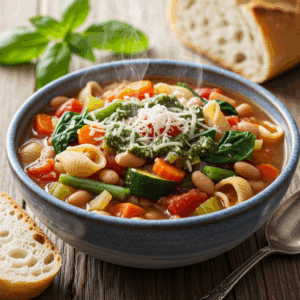
There’s somthing undeniably comforting about a steaming bowl of minestrone-a vibrant mosaic of vegetables, beans, and herbs that not only delights teh palate but nourishes the soul. “Hearty Vegetable Minestrone: A Colorful Bowl of Wellness” invites you into the world of this timeless Italian classic, where every spoonful bursts with layers of flavor and wellness. Beyond its rich taste and satisfying texture, minestrone is a celebration of wholesome ingredients that fuel your body with essential nutrients. Join us as we unravel the history, health benefits, and simple secrets behind crafting this nourishing masterpiece that transforms everyday vegetables into a colorful, hearty feast for both body and mind.
Hearty Vegetable Minestrone: A Colorful Bowl of Wellness
Hearty Vegetable Minestrone: A Colorful Bowl of wellness is more than just a soup-it’s a nourishing celebration of garden-fresh produce and vibrant flavors that instantly transform any meal into a comforting, wholesome experience. Rooted in Italian tradition, this soul-warming classic has traveled through generations, adapting to fresh, seasonal ingredients that maximize nutrition and taste. Today, we’ll explore everything from picking the freshest vegetables to balancing colors and textures, elevating your bowl with secret spices, and mastering the art of make-ahead magic without sacrificing freshness.
Prep and Cook Time
- Preparation: 20 minutes
- Cooking: 45 minutes
- Total: 65 minutes
Yield
Serves 6 generous bowls
Difficulty Level
Easy to Medium – Perfect for home cooks wanting a nutritious, flavorful meal without fuss
Ingredients
- 2 tablespoons extra virgin olive oil
- 1 medium onion, finely diced
- 2 cloves garlic, minced
- 2 medium carrots, diced
- 2 celery stalks, diced
- 1 small zucchini, diced
- 1 cup green beans, trimmed and chopped
- 1 medium potato, peeled and cubed
- 1 can (14 oz) diced tomatoes, with juices
- 6 cups vegetable broth, preferably homemade or low sodium
- 1 cup cooked cannellini beans (or one 15-oz can, drained and rinsed)
- 1 teaspoon dried oregano
- 1 teaspoon dried basil
- 1/2 teaspoon smoked paprika – the secret spice for subtle depth
- 1/4 teaspoon red chili flakes (optional, for gentle warmth)
- Salt and freshly ground black pepper, to taste
- 1/4 cup fresh parsley, chopped
- 1/4 cup fresh basil leaves, torn
- 1/2 cup small pasta shells or ditalini
Instructions
- Heat the olive oil in a large heavy-bottomed pot over medium heat. Add the diced onion,sauté until translucent,about 4-5 minutes.
- Add garlic, carrots, and celery. Sauté for another 5 minutes, stirring occasionally, until vegetables soften but do not brown.
- Stir in zucchini,green beans,and potato cubes. Cook for 3 minutes to lightly caramelize the edges, enhancing flavor complexity.
- Pour in the vegetable broth and canned tomatoes with juices. Add dried oregano, basil, smoked paprika, and red chili flakes. Stir well, then bring to a gentle boil.
- Reduce heat to low, cover, and simmer for 25 minutes until the vegetables are tender but still vibrant in color.
- While the soup simmers,cook pasta separately in salted boiling water until al dente,usually 6-8 minutes. Drain and set aside.
- Once vegetables are tender, stir in cannellini beans and cooked pasta. Heat through for 5 minutes.
- Season with salt and pepper to taste. Turn off heat and fold in fresh parsley and basil for an inviting herbaceous finish.
Choosing the Freshest Ingredients for Maximum Flavor and Nutrition
When creating your hearty vegetable minestrone, starting with the freshest ingredients is essential to capture the soup’s vibrant character. Opt for crisp carrots, glossy green beans, and newly-picked zucchini boasting bright, unblemished skins.Whenever possible, visit local farmers’ markets or use homegrown produce, ensuring maximum nutrient retention and intense flavor.Fresh herbs added at the end of cooking lend an invigorating fragrance and beautifully balance the earthiness of root vegetables.
Balancing Colors and Textures to Create a Vibrant Minestrone Experience
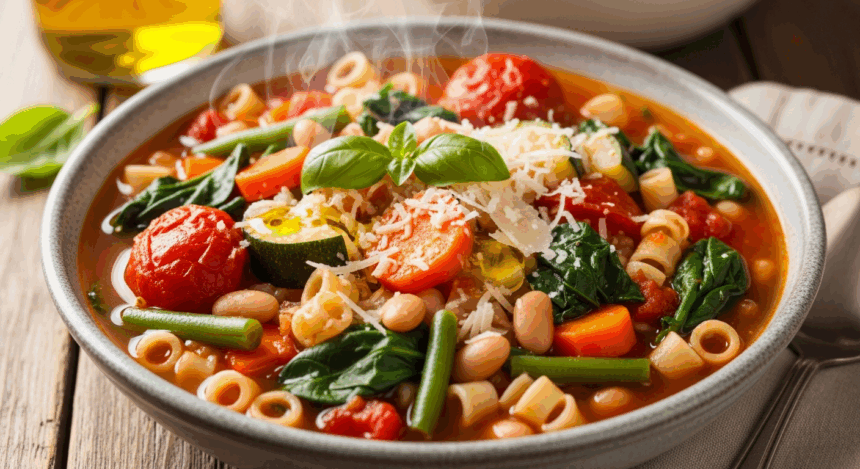
One hallmark of the perfect bowl lies in its visual and textural harmony. Combine an array of colorful vegetables-from the deep orange carrots to the emerald green beans and creamy white beans-to create contrast not just visually but with every bite. Maintain a mix of firm and tender textures by careful timing: root vegetables need longer simmering, while zucchini and green beans should retain a slight bite. This thoughtful layering transforms the soup into a feast for both eyes and palate.
Secret Spices and Herbs to Elevate Your Vegetable Soup to Gourmet levels
A sprinkle of smoked paprika infuses your soup with an understated smokiness that awakens the palate without overpowering the gentle sweetness of vegetables. Complement this with the herbal depth of oregano and basil, which echo classic Italian flavors.For a subtle heat that enlivens the broth, red chili flakes add just enough warmth to keep your guests intrigued. Always finish with fresh parsley and torn basil leaves-they brighten the soup and lend an herbaceous crown that elevates every spoonful.
Tips for Making Minestrone Ahead and Storing it Without Losing Freshness
Minestrone is a marvelous make-ahead dish that frequently enough tastes better the next day as flavors meld beautifully. To preserve freshness, store soup separately from pasta if possible, as pasta tends to soak up broth and lose texture over time. Cool the soup entirely before refrigerating in an airtight container; it will keep well for up to 4 days. When reheating, add a splash of broth or water to restore the vibrant consistency.For longer storage, minestrone freezes beautifully-leave out pasta when freezing and cook fresh pasta upon reheating for perfect texture.
Chef’s Notes: Tips for Success
- Vegetable swaps: Feel free to add seasonal veggies like spinach, kale, or peas for added variety and nutrients.
- Beans: Cannellini beans give creaminess, but kidney or chickpeas work wonderfully too.
- Broth choice: Homemade broth enriches the flavor dramatically, but good quality store-bought vegetable broth is a convenient alternative.
- Pasta timing: Cooking pasta separately prevents the soup from turning mushy, keeping that satisfying bite.
- Make it vegan & gluten-free: Use gluten-free pasta and ensure your broth has no animal products to keep the dish inclusive.
Serving Suggestions
Serve your hearty vegetable minestrone steaming hot, drizzled with a little extra virgin olive oil for silkiness. Garnish with a sprinkle of freshly grated Parmesan or a vegan alternative,if desired. Accompany with crusty whole-grain bread or garlic focaccia for a perfect soak-up. For an elegant touch, add a few fresh basil leaves on top and a wedge of lemon on the side for those who enjoy a bright citrus twist.

| Nutrient | Per Serving |
|---|---|
| Calories | 210 |
| Protein | 8g |
| Carbohydrates | 35g |
| Fat | 5g |
Discover more about seasonal vegetable soups to elevate your pantry meals year-round. For a deeper dive into vegetable nutrition, consult this thorough guide by Healthline.
Q&A
Q&A: Hearty Vegetable Minestrone – A Colorful Bowl of Wellness
Q1: What exactly is minestrone, and why is it considered so hearty?
A1: Minestrone is a classic Italian soup celebrated for its thick, stew-like texture, brimming with a vibrant mix of seasonal vegetables, beans, pasta or rice, and savory broth. It earns its “hearty” reputation by combining nutrient-dense ingredients that satisfy both hunger and health, making each spoonful a comforting powerhouse of flavor and nourishment.
Q2: How does vegetable minestrone promote wellness?
A2: Vegetable minestrone is essentially a rainbow in a bowl.It’s packed with vitamins, minerals, antioxidants, and fiber from a variety of fresh vegetables like tomatoes, carrots, zucchini, and greens. The beans add a boost of plant-based protein and fiber, supporting digestion and steady energy levels. Together, these elements support immune function, heart health, and overall vitality-perfect for body and soul.
Q3: Can I customize the vegetables in my minestrone?
A3: Absolutely! One of minestrone’s greatest charms is its versatility. you can tailor it to whatever fresh veggies you have on hand or what’s in season-think kale, bell peppers, squash, peas, or even corn. Each variation adds its own splash of color and unique profile of nutrients, making the soup your personal palette of wellness.
Q4: What makes the broth in a minestrone so special?
A4: The broth is the comforting backbone of minestrone, usually made from a vegetable or light chicken stock enriched with garlic, onions, herbs like rosemary or thyme, and sometimes a hint of tomato. This flavorful, aromatic base ties the diverse ingredients together, soaking into every vegetable and bean, enhancing their natural goodness while keeping the soup light yet satisfying.
Q5: How can I turn minestrone into a complete meal?
A5: To elevate minestrone into a full-fledged meal,ensure it includes a good balance of carbs,proteins,and fats. Adding pasta or rice provides sustained energy, while beans contribute heartiness and protein. A drizzle of olive oil or a sprinkle of Parmesan cheese adds healthy fats and richness.Pair it with crusty whole-grain bread or a simple side salad for a wholesome,colorful feast.
Q6: Is minestrone suitable for various dietary preferences?
A6: Minestrone is wonderfully adaptable! It’s naturally vegetarian and vegan when made with vegetable broth and no cheese.It’s gluten-free friendly if you swap pasta for gluten-free grains or extra beans. Plus, it fits well into low-fat, high-fiber, and plant-based diets, making it a crowd-pleaser for health-conscious eaters of all kinds.
Q7: What’s the best way to store and reheat leftover minestrone?
A7: Leftover minestrone tastes even better the next day, as the flavors deepen. Store it in an airtight container in the refrigerator for up to 4 days or freeze portions for up to 3 months.Reheat gently on the stove over medium heat, stirring occasionally, and add a splash of water or broth if it thickens too much. Enjoy your colorful bowl of wellness anytime!
Q8: Any tips for making minestrone more vibrant and delicious?
A8: For the brightest flavors and colors, add vegetables in stages-root veggies first, delicate greens last. Use ripe,fresh tomatoes or a spoonful of sun-dried tomato paste to boost the broth’s richness. Fresh herbs like basil or parsley stirred in at the end bring a lively, fragrant finish. And don’t forget a squeeze of lemon juice just before serving to brighten every bite!
Wrapping Up
As you ladle this vibrant, hearty vegetable minestrone into your bowl, you’re not just enjoying a meal-you’re embracing a celebration of wellness in every colorful spoonful. This humble soup, brimming with nature’s bounty, offers more than comfort; it nourishes your body with a symphony of nutrients and flavors that dance together in perfect harmony. Whether served piping hot on a chilly evening or savored as a wholesome lunch, minestrone invites you to savor the simple joy of eating well. So next time you crave something both wholesome and satisfying, remember: a bowl of minestrone is more than just soup-it’s a vibrant, healthful ritual that feeds your soul as much as your body.