
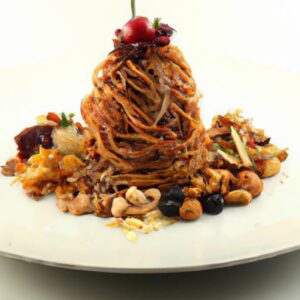
In the sweltering heat of a Japanese summer, there’s a humble dish that offers not just refreshment, but a cultural experiance steeped in tradition and subtle artistry: Zaru Soba. These chilled buckwheat noodles,served elegantly atop a bamboo tray,embody simplicity and sophistication in every bite.More than just a meal, Zaru Soba is a party of texture, flavor, and seasonality, inviting diners to appreciate the nuanced craftsmanship behind each strand. Join us as we unravel the story of Japan’s cool noodle delight, exploring it’s origins, planning, and the timeless charm that continues to captivate taste buds around the world.
zaru Soba, Japan’s iconic cool noodle dish, brings a breath of fresh simplicity to the table. Originating centuries ago, this humble yet elegant dish has become an essential part of Japanese summer cuisine, celebrated for its clean flavors and smooth textures. My frist encounter with zaru soba was during a summer festival in Kyoto, where the chilled buckwheat noodles paired with a perfectly balanced dipping sauce felt like a direct invitation to savor Japanese culinary refinement. Experience authentic zaru soba at home and discover why it’s a timeless favorite loved across Japan and beyond.
Prep and Cook time
- preparation: 10 minutes
- Cooking: 5 minutes
- Total Time: 15 minutes
Yield
Serves 2-3 people
Difficulty Level
Easy to Medium – Perfect for home cooks looking to elevate simple Japanese dishes
Ingredients
- 200g dried soba noodles (buckwheat soba, for authenticity)
- 4 cups cold water (for rinsing noodles)
- 1 cup dashi stock (homemade or store-bought)
- 1/4 cup soy sauce (preferably Japanese shoyu)
- 1/4 cup mirin (sweet rice wine)
- 1 tablespoon sugar
- 1 tablespoon finely chopped green onions
- 1 teaspoon wasabi paste (optional, for dipping sauce)
- 1 sheet nori (toasted and finely shredded, for garnish)
- Grated daikon radish (optional, adds refreshing texture)
instructions
- Boil the noodles: Bring a large pot of water to a rolling boil. Add the dried soba noodles and cook according to package directions, usually around 4-5 minutes, stirring gently to prevent sticking.
- Drain and rinse: Drain noodles in a colander immediately. Rinse thoroughly under cold running water to cool and remove excess starch, using your hands to gently rub the noodles. This step is crucial for the classic firm, slippery texture.
- Prepare the dipping sauce (Tsuyu): In a small saucepan, combine dashi stock, soy sauce, mirin, and sugar. Heat gently over medium-low, stirring until sugar dissolves. Remove from heat and let it cool.Optionally, chill in the refrigerator before serving.
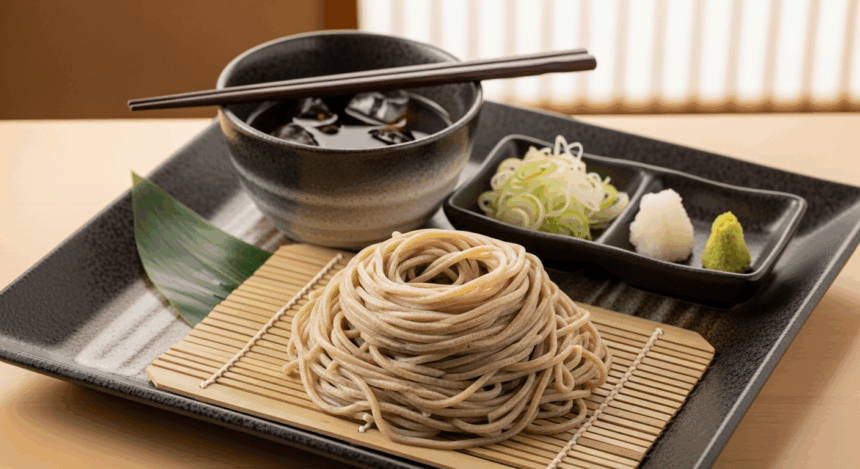
- Plate the noodles: Arrange the cold soba noodles on a bamboo zaru tray or a large plate lined with a clean paper towel.Sprinkle shredded nori on top for visual contrast and added flavor.
- Serve with condiments: Place a small bowl of dipping sauce next to the noodles with side servings of green onions, wasabi, and grated daikon. Encourage mixing wasabi into the sauce for a gentle kick.
- Enjoy: Using chopsticks, dip a small portion of noodles into the sauce, allowing the flavors to lightly coat the noodles before eating.
Tips for Success
- Use high-quality buckwheat soba: The nutty aroma and texture hinge on authentic ingredients.
- Master the rinse: Rinsing soba noodles thoroughly under cold water after cooking stops the cooking process and removes starch, resulting in that cool, slippery texture so essential to the dish.
- Make your own dashi: Using kombu (kelp) and katsuobushi (bonito flakes) creates an umami-rich base,elevating your dipping sauce authenticity.
- Adjust sweetness: Feel free to tailor the sugar and mirin balance in the sauce to your palate.
- Keep everything chilled: For maximum freshness, especially in hot weather, serve noodles and dipping sauce cold.
- Advance prep: The dipping sauce can be made a day ahead, developing deeper flavor.
Serving Suggestions
To elevate your zaru soba experience, garnish with freshly shredded nori and a sprinkle of toasted sesame seeds.Accompany with crunchy tempura vegetables or light pickled side dishes for textural contrast. for a refreshing seasonal twist, serve with cucumber ribbons or thinly sliced shiso leaves, adding shining, herbal notes. Pair your meal with chilled green tea or sake to complement the clean flavors beautifully.
| Nutrient | Per Serving |
|---|---|
| Calories | 280 kcal |
| Protein | 8 g |
| Carbohydrates | 55 g |
| Fat | 1 g |
Discover more about other popular Japanese noodle dishes that perfectly complement your zaru soba meal.
For detailed insights on dashi preparation, visit the Japanese Cooking 101 guide to Dashi Broth.

Q&A
Q&A: Zaru Soba Unveiled – The art of Japan’s Cool Noodle Delight
Q1: What exactly is Zaru Soba?
A1: Zaru Soba is Japan’s beloved chilled buckwheat noodle dish, traditionally served on a bamboo sieve-like tray called a “zaru.” it’s a refreshing culinary experience, where cold soba noodles are artfully presented to highlight their delicate texture and nutty flavor, perfect for warm days or whenever you crave simplicity with elegance.
Q2: Why is it called “Zaru” Soba?
A2: the name “zaru” refers to the bamboo strainer or tray on which the noodles are drained and served. This tray not only drains excess water but also adds a rustic charm to the presentation, embodying the Japanese reverence for natural materials and aesthetic harmony.
Q3: What makes Zaru Soba different from other noodle dishes?
A3: Unlike hot soba soups, Zaru Soba is served cold, inviting diners to dip each bite into a savory, slightly sweet dipping sauce called “tsuyu.” The contrast between the cool noodles and the rich sauce, often enhanced with wasabi, scallions, and grated daikon, makes the eating experience uniquely interactive and refreshing.
Q4: What is the customary dipping sauce for Zaru Soba?
A4: The dipping sauce,or tsuyu,is a blend of dashi (simmered fish and kelp broth),soy sauce,and mirin (sweet rice wine). This umami-packed concoction balances salty, sweet, and savory notes, enhancing but never overpowering the subtle flavor of the soba noodles.Q5: is there a best way to enjoy Zaru Soba?
A5: absolutely! The key is in the rhythm of dipping and savoring-you dip a small portion of noodles lightly into the tsuyu to coat them, then slurp them up with gusto. Slurping isn’t just accepted; it’s encouraged, as it aerates the noodles and heightens flavor perception-a little Japanese culinary magic!
Q6: can Zaru Soba be customized?
A6: While the traditional recipe is simple, modern spins abound. Some add shredded nori (seaweed), sesame seeds, or even tempura sides for crunch. Seasonal garnishes like grated ginger or fresh shiso leaves add nuanced flair, adapting this humble dish to diverse palates without losing its essence.
Q7: What cultural significance does Zaru Soba hold?
A7: Beyond its taste, Zaru Soba symbolizes the Japanese appreciation for seasonality and simplicity. It’s a cooling respite in summer, celebrated during festivals and family gatherings. Eating Zaru Soba is a moment of mindful enjoyment, connecting diners with centuries of culinary tradition.
Q8: Where can one find authentic Zaru Soba outside Japan?
A8: Many japanese restaurants worldwide honor this dish, especially those focused on traditional cuisine. For authentic Zaru Soba, look for eateries that make noodles fresh daily and prepare tsuyu from scratch.Alternatively, adventurous home cooks can experiment with buckwheat noodles and homemade dipping sauce to bring this delightful art form to their own tables.
Explore Zaru Soba, and you’re not just tasting noodles-you’re savoring a cultural masterpiece that blends simplicity, elegance, and a touch of Japanese summer magic.
The Way Forward
As the final chilled strands of zaru soba weave their story across the bamboo tray, we come to appreciate not just a dish, but a ritual-a harmonious blend of simplicity and sophistication that captures the essence of Japanese culinary artistry. From the precise dipping of noodles into the savory tsuyu to the delicate dance of wasabi and green onion, zaru soba invites us to savor more than just flavor; it offers a moment of mindful refreshment and cultural connection. In unveiling this cool noodle delight, we uncover a timeless tradition that cools the body, delights the palate, and nourishes the spirit-reminding us that sometimes, the greatest pleasures come in the simplest of forms.