
In the vast and vibrant mosaic of Italian cuisine, few dishes capture the essence of simplicity and boldness quite like Cacio e Pepe. at first glance, this humble pasta-stitched together with just three pantry staples: pasta, pecorino Romano cheese, and freshly cracked black pepper-might seem unassuming.Yet beneath its modest exterior lies a whirlwind of flavor alchemy, where creamy textures meet a peppery punch that dances on the palate. Rooted deeply in Roman tradition, Cacio e Pepe is more than just a meal; it’s a timeless celebration of ingredient harmony and culinary ingenuity. Join us as we unravel the story behind Italy’s simple pasta with bold flavor magic, exploring how this classic dish continues to enchant taste buds across the globe.
Origins and Traditions Behind Cacio e Pepe’s timeless appeal
Cacio e Pepe is much more than a recipe; it is indeed a testament to the genius of simplicity in Italian cooking. this iconic Roman pasta dish, whose name literally translates to “cheese and pepper,” represents an ancient culinary tradition rooted in the pastoral life of shepherds. Armed only with basic pantry staples-pecorino romano cheese, freshly cracked black pepper, and dried pasta-thes humble artisans crafted a rich, comforting meal that endures to this day. The magic lies in its straightforward yet bold flavor combination that celebrates minimalism without compromising satisfaction.
Generations have passed the recipe down, maintaining its authentic character while sparking countless modern interpretations. Every forkful echoes the rustic charm of Rome’s cobblestone streets and the pastoral serenity of Lazio’s countryside. For food lovers and home cooks alike, mastering Cacio e Pepe is a rite of passage: a chance to connect deeply with Italian culinary heritage and experience its timeless appeal.
Prep and Cook Time
- Preparation: 5 minutes
- Cooking: 15 minutes
- total: 20 minutes
Yield
Serves 4 generous portions
Difficulty Level
Easy
Ingredients
- 400g (14 oz) spaghetti or tonnarelli pasta
- 150g (1 1/4 cups) Pecorino Romano cheese, finely grated
- 2 tbsp freshly cracked black peppercorns
- Salt, for pasta water
- About 2 cups reserved pasta cooking water
Instructions
- Boil salted water: Bring a large pot of water to a rolling boil and add a tablespoon of salt. Cook the pasta until it is just shy of al dente (about 1-2 minutes less than package instructions). Save 2 cups of the starchy cooking water before draining.
- Toast black pepper: In a large skillet over medium heat, add the freshly cracked black peppercorns.Toast them for 1-2 minutes until fragrant, stirring frequently to avoid burning. This step intensifies the pepper’s bold aroma and flavor.
- Combine pasta and pepper: Add the drained pasta to the skillet with the toasted pepper. Toss quickly to coat the strands thoroughly in the oil released by the pepper.
- create the emulsion: Reduce heat to low. Gradually sprinkle half the grated Pecorino Romano over the pasta. Slowly add a ladleful of the reserved hot pasta water, stirring vigorously to coax the cheese into a creamy sauce. Repeat this process, adding cheese and water alternately, until you achieve a luscious, velvety emulsion that clings beautifully to each strand.
- Adjust seasoning and serve: Taste and adjust with more cheese or pepper as desired. Serve immediately, garnishing with a final dusting of Pecorino and a twist of black pepper for visual appeal.
Tips for Success
- Cheese quality matters: Use authentic Pecorino Romano, finely grated to ensure it melts smoothly into your sauce. Avoid pre-grated packets with additives as they won’t emulsify properly.
- Reserve ample pasta water: The starch in the water is your best friend for building the creamy sauce. Warm it, add it gradually, and never skip this step for the perfect texture.
- Pasta choice: Conventional spaghetti or tonnarelli are ideal due to their shape and texture, which hold sauce exquisitely.
- Work quickly but gently: Toss pasta with cheese and water off the heat in short bursts to prevent clumping or stiffness.
- Black pepper grind: Crush fresh peppercorns coarsely for a piquant, aromatic punch that complements the mellow cheese.
Serving Suggestions
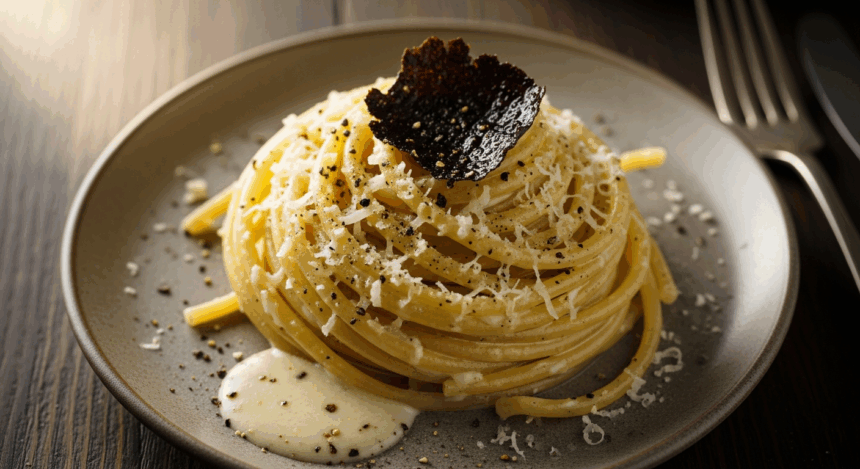
This dish shines served simply on warm white plates that highlight its creamy pale golden sauce. Garnish with a sprinkle of extra pecorino Romano and a few twists of freshly cracked pepper. Pair with a crisp white wine, like a Frascati or Vermentino, to cut through the richness and complete your Roman-inspired feast. For a modern twist, try adding a handful of toasted pine nuts or a drizzle of high-quality extra virgin olive oil just before serving to add texture and aroma.
enjoy alongside a fresh green salad dressed lightly with lemon and olive oil or a side of sautéed seasonal greens to balance the indulgence.
Nutritional Information
| Per Serving | Calories | Protein | Carbs | fat |
|---|---|---|---|---|
| Spaghetti alla Cacio e Pepe | 480 | 18g | 68g | 12g |
For more classic Italian pasta recipes, explore our article on Authentic Carbonara: Creamless Roman Comfort Food.
Discover the rich heritage of Italian cheeses like Pecorino Romano on Official Pecorino Romano consortium.

Q&A
Q&A: Cacio e Pepe – Italy’s Simple Pasta with Bold Flavor Magic
Q1: What exactly is Cacio e Pepe?
A1: Cacio e pepe, which translates to “cheese and pepper,” is a deceptively simple Roman pasta dish that packs a punch with just a few humble ingredients: Pecorino Romano cheese, freshly cracked black pepper, and pasta-usually spaghetti or tonnarelli. despite its simplicity, this dish is a showcase of bold, creamy, and peppery flavors that dance on your palate with every bite.
Q2: Where did Cacio e Pepe originate?
A2: This dish hails straight from the heart of Rome, Italy. it was traditionally a favorite among shepherds who needed a quick, satisfying meal made from pantry staples. Over time, it became a timeless classic in Roman trattorias, celebrated for its minimalist approach and rich taste.
Q3: What makes Cacio e Pepe so special compared to other pasta dishes?
A3: Unlike complex sauces that rely on numerous ingredients, Cacio e Pepe’s magic lies in technique and balance. The melty, salty Pecorino combines with freshly ground black pepper and starchy pasta water to create a creamy, silky sauce that clings to every strand of pasta-no cream or butter needed. It’s a masterclass in elevating simplicity into gourmet bliss.
Q4: Can I make Cacio e Pepe at home easily?
A4: Absolutely! With just a few ingredients and some attention to timing, you can whip up restaurant-worthy Cacio e Pepe in your own kitchen.The key is to reserve enough pasta water, toast the pepper slowly to release its aroma, and blend cheese with water to create that luscious sauce. A little patience yields big rewards.
Q5: Are there variations of Cacio e Pepe worth exploring?
A5: While traditionalists hold fast to the original formula, creative cooks have experimented with adding a touch of olive oil, swapping in different hard cheeses, or using variations of pepper for new flavor profiles. However,the true soul of Cacio e Pepe remains its elegant simplicity-sometimes less truly is more.Q6: What pasta types work best for Cacio e Pepe?
A6: Classic choices include spaghetti,tonnarelli (a thicker spaghetti-like noodle),or bucatini. These long,thin pastas provide the perfect canvas for the creamy sauce to cling to,ensuring that every twirl delivers maximum flavor impact.
Q7: How do I avoid clumping or a grainy sauce?
A7: The secret lies in technique: add the cheese gradually off the heat, and always mix with some starchy hot pasta water to emulsify the sauce. Stir vigorously but gently to prevent the cheese from overheating and clumping. Practise transforms this simple dish into a silky masterpiece.
Q8: Why has Cacio e Pepe stood the test of time?
A8: Cacio e Pepe embodies the essence of Italian cooking-honest, accessible ingredients treated with respect and flair. Its enduring popularity is testament to how bold flavors don’t need grand complexity. It’s comfort, tradition, and culinary artistry, all wrapped in a delicious plate of pasta.Dive into the magic of Cacio e Pepe, and you just might discover that sometimes, less truly is more!
Future Outlook
Cacio e pepe stands as a testament to the beauty of simplicity – a humble dish where just a handful of ingredients combine to create something truly magical. This timeless Roman classic invites us to slow down, savor each bite, and appreciate how bold flavors can emerge from the most unpretentious roots.Whether you’re a seasoned pasta lover or a curious kitchen explorer, mastering Cacio e Pepe offers more than just a meal; it’s a delicious journey into Italy’s rich culinary heart that reminds us that sometimes, less really is more.So go ahead, twirl that pepper-speckled spaghetti, and let this iconic dish bring a little taste of Italy’s warm, rustic soul to your table.