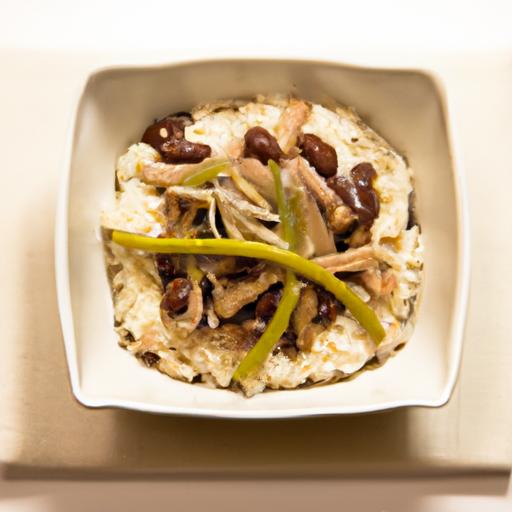

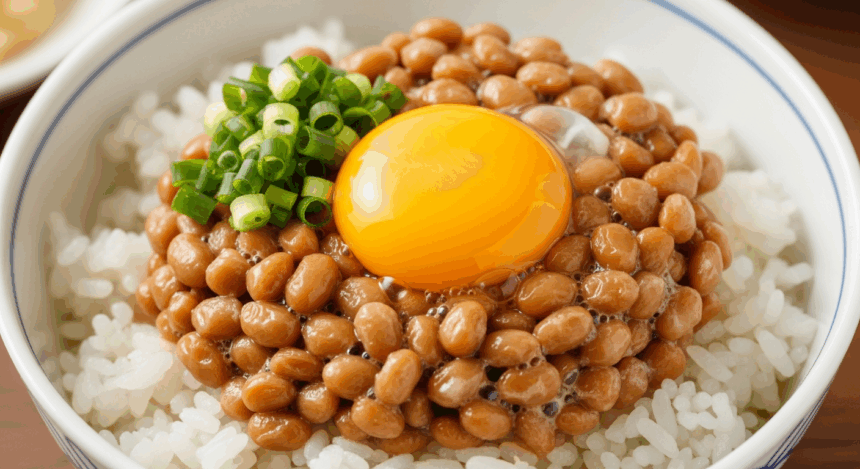

In the vibrant tapestry of Japanese cuisine, few dishes embody the harmony of tradition and nourishment quite like natto gohan. This humble bowl, brimming with sticky fermented soybeans nestled atop steaming rice, offers more than just a meal-it’s a centuries-old ritual that awakens the senses and fuels the body. Natto, with its distinctive aroma and bold flavor, might challenge the uninitiated, but paired with the comforting simplicity of freshly cooked rice, it transforms into a delightful experience that celebrates both taste and health. Join us as we unlock the secrets behind natto gohan, exploring how this ancient fusion marries powerful probiotics with the timeless comfort of rice to create a dish that is as beneficial as it is indeed flavorful.
Natto Gohan brings together the earthy, pungent allure of fermented soybeans with the comforting warmth of freshly steamed rice, creating a uniquely satisfying dish rooted deeply in Japanese culinary tradition.this humble yet captivating meal provides an umami-packed experience that can be both a nourishing breakfast ritual and an energizing anytime snack. Its distinctive flavor profile – a mix of nutty,slightly bitter,and savory notes with a sticky,creamy texture – rewards those who dare to indulge beyond convention.
Prep and Cook Time
- Preparation Time: 5 minutes
- Cook Time (for rice): 20-30 minutes (depending on method)
- Total Time: Approximately 30-35 minutes
Yield
- Serves 2 people
Difficulty Level
- Easy
Ingredients
- 1 cup Japanese short-grain rice, rinsed and soaked for 30 minutes
- 2 cups water (for cooking rice)
- 1 pack (about 50g) natto (fermented soybeans), preferably refrigerated
- 1 teaspoon soy sauce (adjust to taste)
- 1 teaspoon karashi mustard or spicy mustard (optional)
- 1 green onion, finely sliced
- 1 teaspoon toasted sesame seeds (optional)
- Nori strips or furikake topping for garnish (optional)
Instructions
- Cook the rice: Drain soaked rice and combine with 2 cups of water in a rice cooker or pot. Cook until tender and fluffy, about 20-30 minutes.For best results, let rice rest covered for 10 minutes after cooking.
- Prepare natto: Open the natto pack and stir vigorously with chopsticks or a fork until it becomes sticky and frothy. This aeration intensifies the flavor and improves texture.
- Season the natto: Mix in soy sauce and karashi mustard carefully, balancing savory with a touch of heat. adjust seasoning based on preference.
- Assemble the natto gohan bowl: Scoop a generous serving of hot steamed rice into bowls. Top each portion with the seasoned natto.
- Garnish: Sprinkle finely sliced green onions and toasted sesame seeds on top. add thin strips of nori or a sprinkle of furikake for an added umami crunch and visual flair.
- Serve promptly: Natto gohan is best enjoyed warm, to fully appreciate the creamy texture and bold flavor contrast.
Tips for Success
- Choose fresh natto: Look for natto with a vibrant smell – not overpowering – and avoid any that smells sour or overly strong.
- Adjust stirring intensity: The more you stir natto, the stickier and lighter it becomes. Stir at least 20 times for optimal texture.
- Rice temperature matters: Use hot rice to slightly mellow the natto’s pungency, creating a perfect flavor harmony.
- Customization: Try adding a raw egg yolk for creaminess or a splash of dashi broth for a subtle umami boost.
- Make ahead: Prepare rice in advance and refrigerate. Warm just before serving to retain the perfect texture.
Creative Serving Ideas to Elevate Your Natto Gohan Experience
Transform your bowl into a vibrant feast by pairing natto gohan with side dishes like pickled plums (umeboshi) for a tangy punch or a dollop of grated daikon radish for freshness. For a modern twist, try layering natto over avocado slices or mixing it into a sushi burrito for a textural delight beyond the ordinary.
| Nutritional Information (per serving) | Amount |
|---|---|
| Calories | 280 kcal |
| Protein | 12 g |
| Carbohydrates | 40 g |
| Fat | 5 g |
For those intrigued by the powerful benefits of fermented foods, natto gohan is more than just a simple meal – it’s a gateway to gut-friendly nutrition.
When exploring the delights of natto gohan, also consider reading our article on Traditional Japanese fermented Foods to deepen your culinary knowledge. For scientifically backed health benefits, visit the National Center for Biotechnology Information’s detailed overview on fermented soy products.

Q&A
Q&A: Natto Gohan – Unlocking the Flavor and Health of Fermented Soybeans with Rice
Q1: What exactly is natto Gohan?
A1: Natto Gohan is a traditional Japanese dish that combines natto-fermented soybeans-with freshly steamed rice. It’s a simple yet flavorful meal where the sticky, pungent natto melds beautifully with the plain, fluffy rice, creating a harmony of taste and texture that’s uniquely satisfying.
Q2: Why is natto considered a superfood?
A2: Natto is packed with nutrients, including protein, fiber, vitamins (notably K2 and B2), and probiotics. The fermentation process boosts its digestibility and introduces beneficial bacteria that support gut health. Plus, natto contains nattokinase, an enzyme linked to cardiovascular benefits.
Q3: How does the fermentation process influence natto’s flavor?
A3: Fermentation transforms ordinary soybeans into a flavor powerhouse-developing a strong, earthy aroma with notes of umami and nuttiness. The sticky texture, often described as gooey or stringy, adds to the sensory experience, making each bite memorable.
Q4: What makes pairing natto with rice so special?
A4: Rice acts as the perfect canvas-its mild, subtly sweet flavor and soft texture balance natto’s intense taste and sticky consistency. Together, they create a comforting contrast: the creaminess of natto enriched by the warmth of rice, enhancing both flavor and digestibility.
Q5: Are there any tips for making Natto Gohan tastier for first-timers?
A5: Absolutely! start by mixing natto with a bit of soy sauce,mustard,or chopped green onions to mellow the strong aroma. Using freshly steamed, hot rice helps the natto soften and blend better.Some like to add a raw egg yolk or sprinkle sesame seeds for extra richness and texture.
Q6: Can natto Gohan be part of a healthy diet?
A6: Definitely.It’s a low-calorie, nutrient-dense meal that supports digestion and heart health. The combination of rice and natto provides a balanced mix of carbohydrates, protein, and probiotics, making it a great choice for a wholesome breakfast or light meal.
Q7: How can I incorporate Natto Gohan into my daily meals?
A7: Natto Gohan can be enjoyed as is or customized with toppings like nori seaweed, kimchi, pickled vegetables, or grilled fish. It’s perfect for busy mornings, quick lunches, or even as a side dish. Embrace its versatility and experiment to find your favorite flavor twists.
Q8: Is there any cultural significance to Natto Gohan in Japan?
A8: Natto Gohan is more than just food-it’s a cultural staple often associated with nourishment and simplicity. Especially popular in eastern Japan,it’s cherished for its health benefits and is a comfort food that connects people to traditional Japanese culinary heritage.
Enjoy unlocking the rich flavors and health benefits of natto Gohan-a humble yet extraordinary marriage of fermented soybeans and rice!
Key Takeaways
As the savory, slightly pungent aroma of natto mingles with the comforting warmth of steamed rice, natto gohan emerges not just as a dish, but as a ritual-one that connects centuries of tradition with modern appreciation for health and flavor.This humble bowl offers more than sustenance; it unlocks the captivating world of fermentation, where microbes transform simple soybeans into a powerhouse of probiotics and nutrients, all harmonized by the gentle embrace of rice. Whether your a curious foodie or a wellness seeker, natto gohan invites you to savor the subtle complexities of fermented soybeans, proving that sometimes, the most unassuming combinations are the keys to unlocking robust flavor and radiant health. so next time you crave a meal that feeds both body and soul, remember that the secret might just be hidden in the humble sticky threads of natto swirling atop a bowl of steaming white rice.