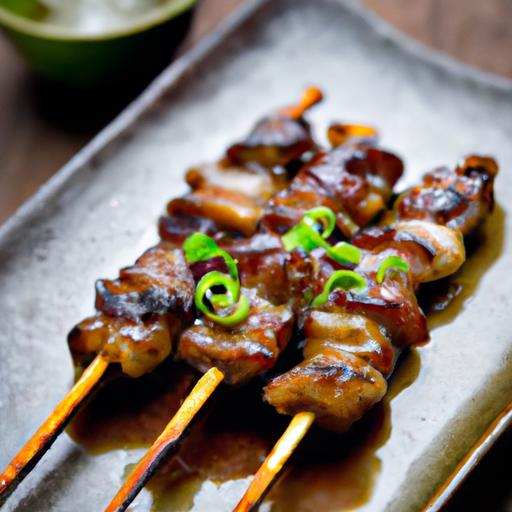

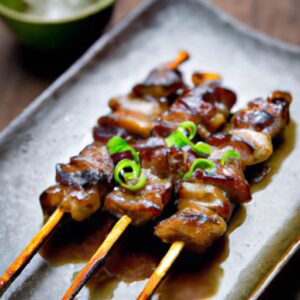
there’s somthing almost magical about the sizzling sound of yakitori grilling over hot charcoal, each skewer promising a burst of smoky, savory delight. At the heart of this beloved Japanese street food lies its soul-stirring accompaniment: yakitori sauce. This glossy, caramelized glaze is more than just a condiment-it’s a harmonious blend of sweet, salty, and umami flavors that elevate tender chicken bites into an unforgettable culinary experience. in this article, we will unravel the secrets to mastering yakitori sauce, guiding you through its rich history, essential ingredients, and simple techniques so you can bring a taste of Japan’s vibrant food culture right into yoru kitchen. Whether your a seasoned chef or a curious foodie, get ready to embark on a flavorful journey that transforms humble chicken skewers into a savory delight.
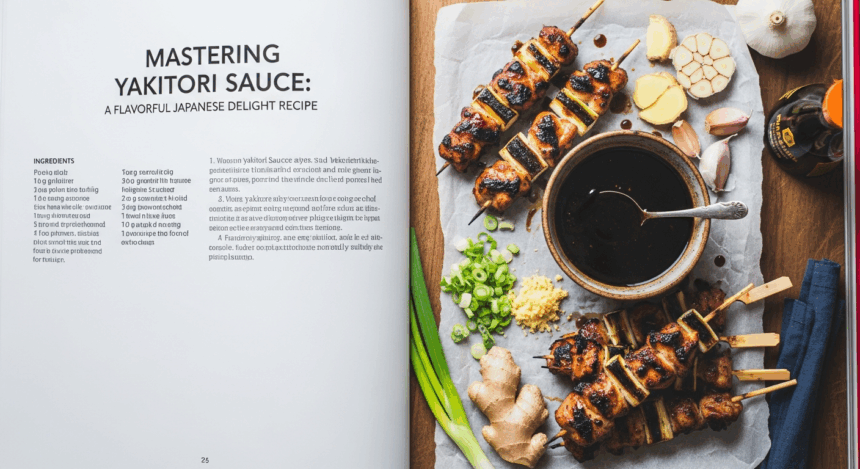
mastering Yakitori Sauce is an exquisite journey into the heart of Japanese grilling traditions. This velvety, glossy sauce is the secret behind the tantalizing flavor of skewered chicken cooked over charcoal. Rooted deeply in japan’s culinary heritage, yakitori sauce-also known as tare-harmonizes sweetness and umami in a way that transforms every bite into an unforgettable experience. Whether you are a seasoned home cook or a curious foodie, understanding how to balance its essential ingredients will elevate your yakitori and impress your guests with authentic taste and visual allure.
Prep and cook Time
- Preparation: 5 minutes
- Cooking: 20 minutes
- Total Time: 25 minutes
Yield
Approximately ½ cup of sauce (sufficient for 8-10 skewers)
difficulty Level
Easy to Medium – ideal for home cooks aiming to deepen their Japanese cuisine repertoire
Ingredients
- ½ cup soy sauce (choose a naturally brewed, dark soy for richer depth)
- ¼ cup mirin (Japanese sweet rice wine for balanced sweetness)
- ¼ cup sake (adds a subtle complexity and aroma)
- 2 tablespoons granulated sugar (fine, for smooth dissolving)
- 1 teaspoon freshly grated ginger (optional but adds vibrant warmth)
- 1 clove garlic, crushed (optional for a subtle savory punch)
Instructions
- Combine the soy sauce, mirin, sake, and sugar in a small saucepan over medium heat. Stir gently until the sugar dissolves wholly-this ensures a smooth, unified base for the sauce’s flavor.
- Add the ginger and garlic to infuse aromatic layers. These elements deepen the umami profile without overpowering sweetness.
- Bring the mixture to a gentle simmer. Reduce the heat to low and simmer uncovered for 15 to 20 minutes, stirring occasionally. This reduction thickens the liquid and intensifies the flavor bouquet.
- watch for the sauce to coat the back of a spoon – this is your signal for the ideal consistency. It should be glossy and slightly syrupy but still pourable.
- Remove from heat and strain the sauce through a fine-mesh sieve to eliminate the ginger and garlic pieces, leaving a pristine, shiny tare perfect for glazing.
- Cool to room temperature before using or storing. The sauce will thicken slightly as it cools-adjust the consistency with a splash of warm sake or water if necessary.
Tips and Variations to Customize Yakitori Sauce for Every Palate
- Adjusting sweetness: For a deeper caramel note, try substituting half the sugar with honey or dark brown sugar.
- Boosting umami: add a teaspoon of oyster sauce or a few dashes of fish sauce for richer umami complexity that complements grilled meats beautifully.
- For a spicy twist: Incorporate a pinch of shichimi togarashi (Japanese seven-spice) during simmering or brush on skewers before grilling.
- Make-ahead convenience: Store yakitori sauce in an airtight container in the refrigerator for up to two weeks. Warm gently before use to restore shine and flow.
- Thicker glaze: To intensify shine and clinginess, reduce slightly longer but be careful not to burn or overly thicken.
Serving Suggestions
Brush this exquisite yakitori sauce generously onto grilled chicken skewers in the final minutes of cooking, allowing it to caramelize lightly over the heat.Serve the skewers hot garnished with finely sliced scallions or toasted sesame seeds for added texture and color contrast. Pairing with steamed white rice and crisp pickled vegetables heightens the traditional Japanese dining experience. For an eye-catching presentation,drizzle extra sauce around the platter and place small bowls with fresh lemon wedges or yuzu kosho on the side,inviting diners to customize their flavor journey.
| Nutrient | Per 1 Tbsp |
|---|---|
| Calories | 25 kcal |
| Protein | 2 g |
| Carbohydrates | 5 g |
| Fat | 0 g |

For a deeper dive into Japanese grilling techniques,check out our Japanese Grilling Basics. To explore the cultural background of soy sauce and mirin, the Japan Guide offers interesting insights.
Q&A
Q&A: Mastering Yakitori Sauce – A Flavorful Japanese Delight Recipe
Q1: What exactly is Yakitori sauce and why is it so special?
A1: Yakitori sauce, also known as “tare,” is a luscious, savory-sweet glaze that transforms simple grilled chicken skewers into irresistible bites of umami-packed delight. Think of it as the magical elixir that locks in moisture, adds a shiny caramelized finish, and balances salty, sweet, and tangy notes-all in one perfect drizzle.
Q2: What are the key ingredients that make authentic Yakitori sauce?
A2: The classic Yakitori sauce is surprisingly simple but richly flavorful. Its core ingredients include soy sauce (for its deep saltiness),mirin (a sweet rice wine for subtle sweetness),sake (adding depth and a touch of acidity),and sugar (to create that signature glossy caramelization). Together, these create the sauce’s iconic balance.
Q3: Can I customize Yakitori sauce to suit different tastes or dietary needs?
A3: Absolutely! Love it sweeter? add a bit more sugar or honey. Prefer something less salty? Use a low-sodium soy sauce or tamari. Want a smoky twist? Introduce a splash of smoked sake or a dash of chili flakes. Yakitori sauce is wonderfully versatile, allowing your creativity to shine while honoring tradition.
Q4: How do I achieve that perfect sticky glaze when grilling Yakitori?
A4: Timing and technique are key. Brush your skewers with Yakitori sauce several times during the final grilling stages, allowing each layer to caramelize before applying the next. Keep the heat moderate to avoid burning the sugars, and turn the skewers frequently so the glaze thickens evenly, creating that irresistible, sticky finish.
Q5: are there different variations of Yakitori sauce I should know about?
A5: Yes! While the classic tare is the star,regional and household tweaks abound. Some versions incorporate grated ginger or garlic for an aromatic kick,others add dashi (japanese stock) for subtle umami complexity. Exploring these variations can deepen your recognition and personalize your Yakitori experience.Q6: Can I use Yakitori sauce beyond chicken skewers?
A6: Definitely! Yakitori sauce’s rich and balanced flavor works wonderfully with grilled vegetables, tofu, seafood, and even as a marinade or dipping sauce for rice bowls. Its versatility invites culinary experimentation, proving why it’s beloved far beyond traditional Yakitori.Q7: What’s the best way to store homemade Yakitori sauce?
A7: Store your freshly made Yakitori sauce in an airtight container in the refrigerator.It will keep beautifully for up to two weeks. For convenience, double or triple your batch and freeze portions in ice cube trays-perfect for impromptu grilling sessions.
Q8: Any pro tips for mastering yakitori sauce at home?
A8: Patience is your best friend.Simmer the sauce gently to meld flavors and achieve a silky texture without burning. Taste as you go to fine-tune sweetness and saltiness. Lastly, don’t skimp on quality ingredients-authentic mirin and sake can elevate your sauce from good to unforgettable.
Mastering Yakitori sauce opens up a world of savory-sweet possibilities-a delicious journey that turns humble skewers into a party of Japanese culinary artistry!
Wrapping Up
Mastering yakitori sauce is more than just perfecting a recipe; it’s unlocking a gateway to the heart of Japanese culinary tradition. With its harmonious blend of sweet, savory, and umami notes, this sauce doesn’t merely complement grilled skewers-it transforms them into an unforgettable experience. Whether you’re a seasoned cook or a curious foodie, crafting your own yakitori sauce invites you to explore the delicate balance that defines Japanese flavors. So fire up your grill, gather your ingredients, and let each brushstroke of this luscious sauce bring a taste of authentic Japan straight to your table. Your journey to yakitori mastery has only just begun.