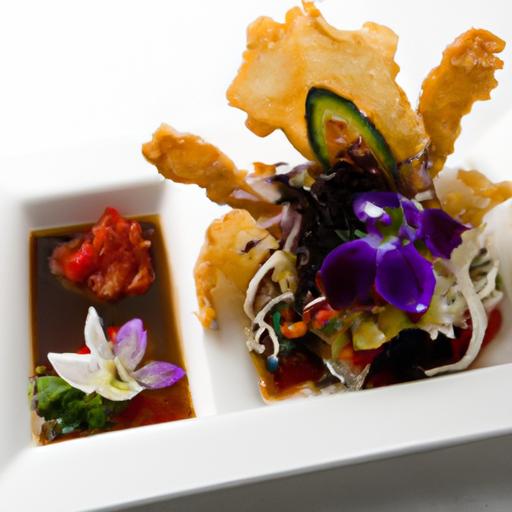

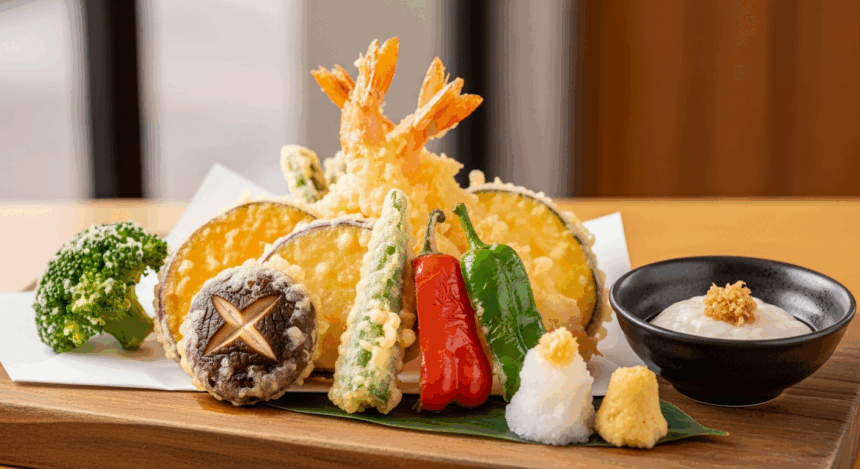
Beneath the golden, crackling crust of tempura lies a delicate dance of tradition, technique, and tantalizing flavor. More than just a crispy coating,tempura is an art form that transforms simple seafood and vegetables into light,airy masterpieces that melt in your mouth. In this exploration, we’ll peel back the layers of tempura’s history, uncover the secrets behind its iconic crunch, and celebrate the skillful craftsmanship that elevates humble ingredients into culinary poetry. Welcome to the world of tempura-a crispy symphony where every bite tells a story.
Tempura unveiled: The Art of Crispy Seafood & Veggies
Tempura has long captivated the senses wiht its irresistibly light and crispy coating, encasing tender seafood and vibrant vegetables.Originating from a fascinating blend of cultural exchange, this iconic Japanese dish blends tradition and technique to deliver a sensory delight that feels both delicate and indulgent.
Prep and Cook Time
- Readiness: 20 minutes
- Cooking: 10 minutes
- Total Time: 30 minutes
Yield
- Servings: 4 (approximately 20 pieces of tempura)
Difficulty Level
- medium: Requires attention to batter consistency and frying temperature
The Origins and Evolution of Tempura in japanese Cuisine
Tempura’s journey begins in the 16th century, influenced heavily by Portuguese missionaries who introduced the technique of deep-frying to Japan. Over centuries, Japanese chefs refined this introduced method, replacing heavy batters with an airy, ice-cold batter that produces a signature crisp exterior. This evolution transformed tempura into an art form,where every bite offers a dance of textures and flavors,from the freshest seafood to seasonal vegetables,reflecting the ever-changing Japanese palate.
Mastering the Perfect Batter: Techniques for Light and crispy Coating
The foundation of impeccable tempura lies in the batter. Achieving a light and crispy coating demands more than just ingredients-it requires technique. Using chilled water and premium all-purpose flour combined only until just mixed ensures a lumpy consistency that produces an ethereal crunch. Incorporating ice cubes into the batter inhibits gluten formation, preventing toughness. Avoid over-mixing at all costs; embrace the imperfect lumps and the magic they bring.
Selecting and Preparing Seafood and Vegetables for Optimal Texture
Choosing fresh, firm seafood such as shrimp, white fish fillets, and succulent squid guarantees tender yet crisp results. Vegetables like sweet potato slices,shiitake mushrooms,and green beans add color and contrasting textures. Pat ingredients dry to prevent excess moisture,which can compromise batter adhesion and oil temperature. Lightly dusting seafood and vegetables with flour before dipping in batter further helps the coating cling flawlessly.
Essential Tips for Frying Tempura to Golden Perfection
Frying tempura requires precise temperature control-ideally between 170°C to 180°C (340°F to 355°F). Using a deep, heavy-bottomed pot maintains steady heat. Monitor oil temperature with a thermometer to avoid soggy or burnt pieces. fry small batches, turning delicately until pieces develop a shimmering golden cloak.Drain on paper towels or wire racks to preserve crispness. The result? Tempura bursting with a light crunch, revealing the natural sweetness inside.
Ingredients
- 1 cup all-purpose flour, sifted
- 1 large egg, lightly beaten
- 1 cup ice-cold sparkling water
- ice cubes, a few to keep batter cold
- 10 large shrimp, peeled and deveined, tails on
- 1 small sweet potato, peeled and sliced thinly (about 1/4 inch)
- 6 shiitake mushrooms, stems removed
- 8 green beans, trimmed
- Vegetable oil for deep frying (canola or peanut oil preferred)
- 1 tablespoon corn starch (optional, for dusting)
- Tempura dipping sauce (Tentsuyu) or soy sauce for serving
Instructions
- Prepare Ingredients: Pat dry the shrimp and vegetables thoroughly to ensure batter adheres well. Lightly dust shrimp and vegetables with corn starch, shaking off excess.
- Make the Batter: In a chilled mixing bowl, combine egg and ice-cold sparkling water. Gradually add sifted flour and gently fold with chopsticks or a fork. Leave lumps; avoid over-stirring. Place the bowl over an ice bath to keep batter chilled.
- Heat Oil: Pour vegetable oil into a deep pot to a depth of 3 inches. Heat to 175°C (350°F). Use a thermometer to monitor temperature precisely.
- Dip and Fry: Submerge each piece into the batter just before frying to prevent sogginess. Carefully lower into the hot oil. Fry in small batches to avoid temperature drops.
- Cook Until Golden: fry shrimp for about 2-3 minutes or until crisp and golden. Vegetables may take slightly longer, approximately 3-4 minutes. Turn gently halfway thru frying.
- Drain and rest: Remove tempura with a slotted spoon and drain on wire rack or paper towels. Serve instantly for peak crispness.
- Serve: Present with dipping sauce and optional grated daikon or lemon wedges for a vibrant finish.
Tips for Success
- Use sparkling water for a lighter batter-carbonation adds air pockets and crispness.
- Keep batter cold at all times; prepare in small batches if needed.
- Avoid using warm oil; tempura requires consistent high heat-use a thermometer for accuracy.
- If batter thickens,add a splash of ice water to maintain perfect consistency.
- For gluten-free options, substitute all-purpose flour with a rice flour blend.
- Make dipping sauce ahead; it can be kept refrigerated for up to 3 days.
Serving Suggestions
Arrange your golden tempura on a bamboo mat or a decorative plate. Garnish with shredded nori or thinly sliced scallions to add fresh color and aroma. Serve with warm dipping sauce and a small bowl of steamed rice or miso soup to complete an authentic Japanese meal. For added visual appeal, include vibrant pickled ginger or lemon wedges.

| Nutrient | Per serving (5 pieces) |
|---|---|
| Calories | 280 kcal |
| Protein | 14g |
| Carbohydrates | 22g |
| Fat | 15g |
To deepen your understanding of Japanese culinary techniques, explore our Japanese Cooking Techniques guide. For more on tempura history and cultural importance, Japan Guide’s Tempura Overview is an excellent resource.
Q&A
Q&A: Tempura Unveiled – The Art of Crispy Seafood & Veggies
Q1: What exactly is tempura?
A: Tempura is a classic Japanese dish where seafood and vegetables are lightly battered and deep-fried to an irresistible crisp. Its hallmark is a delicate, airy crunch that enhances the natural flavors of the ingredients without overpowering them.Q2: How did tempura become such a beloved part of Japanese cuisine?
A: Tempura’s roots trace back to the 16th century, influenced by Portuguese missionaries who introduced frying techniques to Japan.Over centuries, Japanese chefs transformed it into an art form emphasizing precision, texture, and seasonality, turning a simple fried treat into a culinary masterpiece.Q3: What makes tempura batter diffrent from other fried batters?
A: The magic lies in tempura batter’s minimal ingredients-usually just cold water, flour, and sometiems egg-kept ice-cold and gently mixed. This technique prevents gluten formation, resulting in a lacy, ultra-light coating that fries up crisp yet delicate.
Q4: Which seafood and vegetables work best for tempura?
A: Classic picks include shrimp, squid, white fish, and seasonal vegetables like sweet potato, eggplant, shishito peppers, and mushrooms. The key is choosing fresh, high-quality ingredients with firm textures that can hold up to fast frying.
Q5: Are there any secrets chefs use to perfect tempura?
A: Absolutely! Maintaining oil at the right temperature-usually around 170-180°C (340-360°F)-is essential. Also, frying in small batches prevents temperature drops, ensuring each piece crisps evenly. Serving immediately preserves that signature light crunch before steam softens the batter.
Q6: How is tempura traditionally served?
A: Tempura is frequently enough presented with a dipping sauce called tentsuyu, a harmonious blend of dashi broth, soy sauce, and mirin. Grated daikon radish adds a refreshing bite. it can be a stand-alone appetizer, part of a rice bowl, or paired with soba or udon noodles.
Q7: Can tempura be enjoyed beyond Japanese cuisine?
A: Definitely! The technique’s brilliance lies in its versatility. Many chefs worldwide adapt tempura for everything from fusion tacos to gourmet seafood platters,celebrating that perfect balance of crispiness and tenderness.
Q8: What’s the best way to replicate authentic tempura at home?
A: Keep it simple and cold-mix batter just before frying, ensure oil is hot but not smoking, and fry ingredients quickly without overcrowding the pan. Use fresh seafood and veggies, and serve immediately. With practice, you can bring a taste of tempura’s delicate artistry right to your kitchen!
Dive into tempura’s crispy world and discover how this humble dish elevates seafood and vegetables into a symphony of textures and flavors-light, fresh, and utterly addictive.
Closing Remarks
As the final crunch echoes and the delicate batter melts away,tempura reveals itself not just as a dish,but as an art form-a harmonious marriage of texture,flavor,and tradition. From the careful selection of fresh seafood and vibrant vegetables to the precise dance of temperature and timing, every step unveils a story steeped in japanese heritage. Whether enjoyed at a bustling street stall or a refined kaiseki table, tempura invites us to savor the beauty in simplicity and the joy in crisp perfection. So next time you bite into that golden, airy morsel, remember: you’re tasting centuries of culinary mastery, expertly crafted to delight both palate and soul.