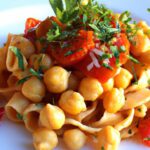

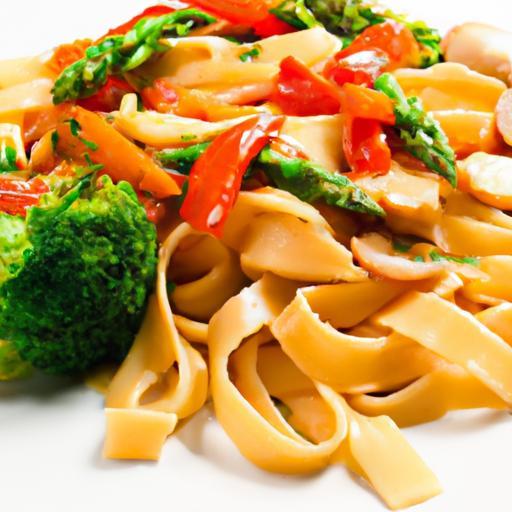
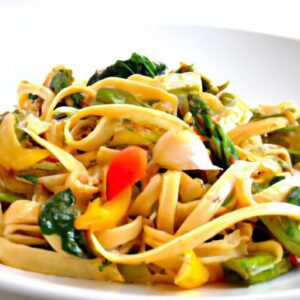
Bright, vibrant, and bursting with garden-fresh goodness, Pasta Primavera has long been a beloved dish for those craving a lighter, yet deeply satisfying meal.But what if you’re looking to enjoy this colorful medley of crisp vegetables and tender pasta without the gluten? Enter the world of gluten-free noodles-a versatile base that lets you savor every bite without compromise. In this article, we’ll explore how to create a fresh and flavorful Pasta Primavera that celebrates the best of seasonal produce while keeping it naturally gluten-free. Whether you’re a seasoned gluten-free eater or simply curious, get ready to redefine a classic with a nourishing twist that’s as delicious as it is indeed wholesome.
Choosing the perfect gluten-free noodles for pasta primavera is an essential starting point in crafting a dish that’s not only fresh and flavorful but also satisfying in texture and taste.with an increasing variety of gluten-free noodle options available-from rice and corn-based to chickpea and quinoa alternatives-selecting the right one hinges on balancing the delicate vegetable medley with noodles that hold up well during cooking and absorb the light, zesty sauce beautifully.
Choosing the Perfect Gluten-Free Noodles for Pasta Primavera
When picking gluten-free noodles, prioritize those with a firm structure and neutral taste to let your fresh veggies shine. Brown rice noodles are a versatile choice, offering a subtle nuttiness with a resilient bite. Alternatively, chickpea or lentil-based pasta introduces a protein boost and a richer texture that complements primavera’s lightness. Avoid overly starchy or brittle noodles, as they can disintegrate or become mushy when tossed with the vibrant sauce and vegetables.
Look for noodles that come in longer strands similar to linguine or fettuccine to echo the classic pasta primavera silhouette. Cooking times may vary, so follow package instructions closely and always rinse with cold water promptly after draining to halt cooking and maintain that ideal al dente texture.
Seasonal Vegetables That Bring Vibrant Flavors and Colors
Freshness drives this dish’s charm, and choosing colorful, crisp vegetables creates a lively palette both visually and on the palate. Asparagus spears sliced on the diagonal add a springtime crunch, while cherry tomatoes burst with sweet acidity, contrasting perfectly against the creamy, herbaceous sauce. sweet bell peppers,zucchini ribbons,and tender snap peas contribute a mix of textures and subtle sweetness.
Don’t hesitate to include fresh herbs like basil, parsley, and chives for added fragrance and bursts of green. When sautéing,aim to lightly cook the vegetables-just enough to soften yet retain their vivid colors and a pleasant snap,which enhances the dish’s fresh and flavorful appeal.
Crafting a Light and Zesty Sauce to Elevate Your Dish
The sauce in a pasta primavera should be a bright, refreshing complement, not overpower the garden-fresh ingredients. A simple blend of extra-virgin olive oil, fresh lemon juice, shaved Parmesan, and a touch of minced garlic creates a lively balance of richness and zing. Incorporate a splash of white wine or vegetable broth to add depth without weight.
Finish the sauce with freshly cracked black pepper and a pinch of red pepper flakes for subtle warmth. Tossing the sauce with the noodles while they’re still warm allows the flavors to meld perfectly, coating every strand and vegetable piece in a glossy, flavorful embrace.
Tips for Achieving the Ideal Texture and Presentation
Texture and presentation are key to making this dish irresistible.Follow these guidelines for polished results:
- Cook gluten-free noodles al dente and rinse immediately to prevent clumping.
- Use a large sauté pan to toss vegetables and noodles together gently-this avoids crushing delicate veggies.
- Reserve some pasta water to adjust the sauce’s consistency if it feels too thick.
- Plate using a wide rimmed dish and twirl the noodles with a fork and spoon for an elegant nest.
- Garnish generously with freshly grated Parmesan, torn basil leaves, and a drizzle of high-quality olive oil for that glossy finish.
With these techniques, each forkful celebrates the harmony between the gluten-free noodles and vibrant vegetables, making your pasta primavera a satisfying, fresh, and flavorful meal any day of the week.

Q&A
Q&A: Fresh & Flavorful - Pasta Primavera with gluten-Free Noodles
Q1: What makes Pasta Primavera a perfect dish for spring and summer?
A1: Pasta Primavera captures the essence of spring and summer by showcasing a vibrant medley of fresh, crisp vegetables like zucchini, cherry tomatoes, bell peppers, and asparagus. The bright colors and light flavors make it a refreshing, seasonal feast that celebrates the garden’s bounty. It’s like taking a bite of sunshine on your plate!
Q2: Why choose gluten-free noodles for this recipe?
A2: Using gluten-free noodles ensures that this delightful dish is accessible to everyone, including those with gluten sensitivities or celiac disease. Beyond health reasons, many gluten-free pasta varieties hold sauces well and maintain a pleasant texture, making them an excellent vehicle for the colorful veggie-packed Primavera.
Q3: How can you keep the vegetables crisp and vibrant in Pasta primavera?
A3: The secret lies in quick sautéing and timing. Vegetables should be cooked just until tender-crisp-bright and lively,not soft and mushy. Adding them in stages based on their cooking times ensures everything finishes perfectly. For example, start with firmer veggies like carrots or asparagus, then add softer ones like zucchini and tomatoes near the end.
Q4: What’s the best way to build flavor without overwhelming the dish?
A4: Simple is best. Fresh garlic,a splash of high-quality olive oil,a sprinkle of fresh herbs like basil or parsley,and a gentle squeeze of lemon juice all complement the veggies and pasta without stealing the spotlight. The goal is to enhance natural flavors, letting the freshness shine.
Q5: Can this dish be made ahead of time?
A5: Pasta Primavera is best enjoyed fresh to preserve the veggies’ crunch and the sauce’s brightness. However, you can prep your vegetables and cook noodles separately in advance. When ready to serve, quickly toss everything together in a hot pan for a few minutes to rewarm and marry the flavors.
Q6: What are some great gluten-free noodle options for this recipe?
A6: There’s a delightful array to choose from! Rice noodles offer a light, neutral base; chickpea or lentil pastas add a protein boost and subtle earthiness; corn-based pastas keep things conventional in texture. Experiment to find the noodle that best suits your taste and dietary needs.
Q7: How can you add protein to this vegetarian pasta without losing its fresh appeal?
A7: Consider topping your pasta with grilled shrimp, tender chicken strips, or even a sprinkle of toasted pine nuts for crunch and protein. For plant-based options, chickpeas or white beans blend seamlessly, while still letting the vegetables take center stage.Q8: What’s the easiest way to elevate the dish’s presentation?
A8: A scattering of fresh herbs,a dusting of vegan or regular Parmesan,and a drizzle of good olive oil can transform the plate into a vibrant work of art.Add edible flowers or lemon zest for an extra pop of color and fragrance that invites you to dive right in.
Dive into this fresh and flavorful Pasta Primavera with gluten-free noodles, and enjoy a dish that’s as healthy and inclusive as it is delicious!
In Summary
bringing vibrant vegetables and tender gluten-free noodles together, Pasta Primavera proves that dietary needs don’t have to compromise on flavor or freshness. Whether you’re navigating gluten sensitivities or simply craving a lighter, garden-inspired meal, this dish offers a colorful, nutrient-packed escape from the ordinary.So next time you’re looking to delight your palate with a burst of springtime goodness, remember that freshness and flavor can perfectly coexist-one bite of this pasta primavera, and you’ll taste the harmony for yourself.