
Ther’s something undeniably magical about transforming a handful of simple ingredients-flour,eggs,a pinch of salt-into supple,silky strands of pasta that carry the heart and soul of Italian tradition. Crafting perfect homemade pasta dough is both an art and a joy, inviting you to slow down, connect with your food, and create something truly special from scratch. Whether you’re a curious beginner or a seasoned home cook looking to refine your technique, this step-by-step guide will lead you through the process of making pasta dough that’s tender, elastic, and perfectly primed to be shaped into your favorite pasta forms.Get ready to roll up your sleeves and bring a taste of Italy right to your kitchen countertop.
Crafting perfect homemade pasta dough begins with carefully selecting the right flour-this foundational choice shapes the dough’s silky texture and elasticity. Drawing from centuries of Italian tradition, the secret to supple, smooth pasta lies in the flour’s protein content and texture. Using the correct flour not only defines your dough’s mouthfeel but also elevates the entire pasta-making experience.
Prep and Cook Time
- Preparation: 20 minutes
- Resting: 30 minutes
- Cooking: 3-5 minutes (fresh pasta)
- Total: Approximately 1 hour
Yield
Serves 4 generous portions of fresh pasta
difficulty Level
Medium: requires some patience and practice, but rewards with artisanal-quality pasta
Ingredients
- 2 cups (240g) “00” flour – finely milled italian flour, ideal for tender pasta
- 1 cup (120g) semolina flour – for strength and bite, helps maintain shape
- 3 large eggs – at room temperature for binding and richness
- 1 tablespoon olive oil – adds silkiness and subtle flavor
- ½ teaspoon fine sea salt – balances and enhances taste
- water, as needed – to adjust hydration for elasticity
Instructions
- Combine the flours: On a clean surface, mound both the “00” flour and semolina flour together, then make a large well in the center.
- Add eggs and olive oil: crack the eggs into the well, add olive oil and salt.Gently begin to whisk the eggs with a fork,gradually incorporating flour from the edges.
- Form the dough: As the mixture thickens, use your hands to pull in more flour, kneading carefully at first to prevent tearing the dough.
- Master the art of kneading: Knead firmly for about 10 minutes, pressing the dough with the heel of your hand, folding it over, and turning.Aim for a smooth, elastic ball-if it’s sticky, dust lightly with flour. This step develops the gluten network crucial for that perfect pasta texture.
- Balance hydration: If the dough feels dry and crumbly, add water, one teaspoon at a time. If too sticky, add flour in small increments. Achieving just the right moisture content is key to elasticity.
- Rest the dough: Wrap the dough tightly in plastic wrap and let it rest at room temperature for at least 30 minutes. Rest allows the gluten to relax, making it easier to roll and shape.
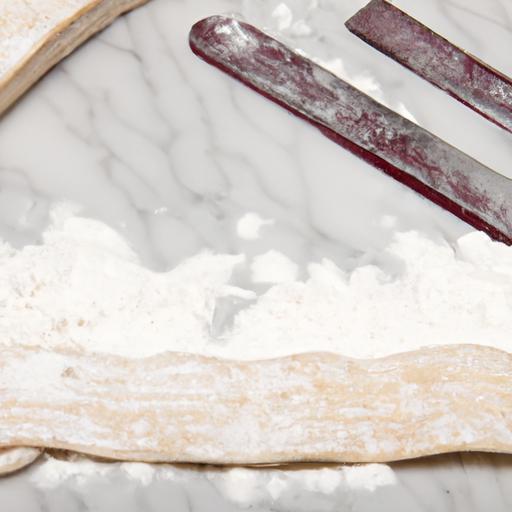
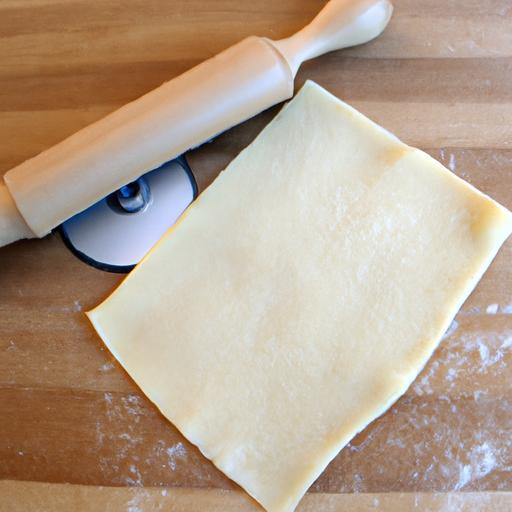
- Roll and shape like a pro: Cut the dough into quarters. On a lightly floured surface, use a rolling pin (or pasta machine) to gently roll each piece from the center outward, turning frequently to maintain even thickness. Aim for a translucent, silky thin sheet without tearing.
- Cut and shape: Once rolled to the desired thinness, shape the dough into fettuccine, tagliatelle, or your favorite pasta form. Use a sharp knife or pasta cutter, finishing with a delicate dusting of semolina to prevent sticking.
Tips for Success
- Flour selection: “00” flour is best for smoothness, but all-purpose flour can substitute if unavailable-expect a slightly coarser texture.
- Avoid over-flouring: Too much flour can dry out the dough and make it resistant to rolling.
- Keep it cool: If dough becomes too warm and sticky, chill wrapped dough for 15 minutes before continuing.
- Rest is crucial: Don’t skip resting – it prevents toughness and helps the dough stretch without snapping back.
- Use a pasta machine: For uniform thickness, a manual or electric pasta machine makes rolling easy and efficient.
Serving Suggestions
Fresh homemade pasta shines with simple yet vibrant sauces. Toss with a rich Bolognese sauce or a light garlic and herb olive oil drizzle. Garnish with freshly grated Parmigiano-Reggiano, a sprinkle of chopped basil or parsley, and a crack of black pepper. Serve promptly for the best silky texture experience.
| Nutrient | Amount per Serving |
|---|---|
| Calories | 320 |
| Protein | 12g |
| Carbohydrates | 50g |
| Fat | 6g |

For an authoritative deep dive into flour varieties and pasta dough techniques, visit Serious Eats’ pasta guide. Elevate your pasta-making craft with knowledge and practice-each batch brings you closer to culinary perfection.
Q&A
Q&A: Crafting Perfect Homemade Pasta Dough – A Step-by-Step Guide
Q1: Why should I make pasta dough from scratch instead of buying pre-made pasta?
A: Making pasta dough from scratch transforms a simple meal into a creative culinary adventure. Fresh homemade pasta offers a tender, silky texture and a rich, comforting flavor that store-bought varieties can’t match. Plus, crafting your own dough lets you experiment with ingredients and shapes, turning your kitchen into an artisanal pasta studio.
Q2: What are the basic ingredients needed for perfect homemade pasta dough?
A: At its heart, classic pasta dough requires just three essentials: flour, eggs, and a pinch of salt. Some recipes add a dribble of olive oil or a splash of water depending on humidity and flour type. The magic lies in simple components lovingly combined and kneaded to create a dough that’s silky yet firm.
Q3: Which flour is best for pasta dough, and why?
A: For that ideal bite-firm but tender-“00” flour is the gold standard. Its fine grind and moderate protein content yield a smooth dough that rolls out easily without tearing. All-purpose flour works well too, especially if blended with a bit of semolina flour, which adds a pleasant texture and helps the dough hold its shape.
Q4: How do I know when my pasta dough is kneaded enough?
A: Kneading is the soul of pasta-making. The dough is ready when it’s soft, elastic, and just a little tacky to the touch-never sticky. If you press a finger gently, the dough should bounce back. Usually, about 8-10 minutes of rhythmic kneading develops the gluten structure that gives pasta its perfect chew.Q5: Can I prepare pasta dough ahead of time?
A: Absolutely! After kneading, wrap your dough tightly in plastic wrap and refrigerate it for up to 24 hours. This resting period allows the gluten to relax, making the dough easier to roll and shape. Just bring it back to room temperature before rolling out.
Q6: Any tips to prevent pasta dough from drying out?
A: Pasta dough is sensitive to air. Always cover it with plastic wrap or a damp kitchen towel during resting and between rolling sessions.If you see the edges dry out, gently knead in a few drops of water or olive oil to bring moisture back.
Q7: What’s the best method to roll out pasta dough by hand?
A: Use a clean surface dusted lightly with flour. Press your dough ball flat with your palm, then roll evenly from the center outward, rotating frequently. Aim for an even thinness-typically paper-thin for delicate types like tagliatelle or a bit thicker for ravioli. Don’t rush; patience pays off with silky strands.
Q8: How can I tell if my pasta dough is too wet or too dry?
A: Too wet, and the dough feels sticky, clinging to your hands and surface; it will be tricky to roll and shape. Add small amounts of flour gradually. Too dry, and the dough cracks or crumbles; in this case, knead in a few drops of water or olive oil to restore pliability.
Q9: Is there a difference between pasta dough for egg-based and eggless varieties?
A: Yes! Egg-based doughs (often Italian-style) offer a golden hue and tender texture thanks to the richness of yolks. Eggless doughs, common in some regions or vegan recipes, often rely on water and flour alone, resulting in a firmer, chewier pasta.Both have their charm; it’s all about what suits your palate and dish.Q10: What’s next after making the perfect pasta dough?
A: The fun expands infinitely! Roll, cut, and shape your dough into fettuccine, ravioli, farfalle, or any whimsical forms you fancy. Cook fresh pasta in boiling salted water for just 1-3 minutes until al dente, then dress with your favorite sauces. Homemade pasta turns every meal into a festivity of craftsmanship and flavor.
Embrace the art of pasta-making with this guide, and let your hands create dough that sings with tradition and taste-one silky strand at a time!
In Retrospect
Crafting perfect homemade pasta dough is more than just a cooking task-it’s an art form that connects you to centuries of culinary tradition. With each fold and knead, you transform simple ingredients into a silky canvas ready to hold your favorite sauces and fillings.Armed with this step-by-step guide, you now have the foundation to experiment, create, and savor pasta like never before.So roll up your sleeves,embrace the rhythm of the dough,and let your kitchen become a haven for appetizing homemade masterpieces. Because when it comes to pasta, the journey from flour to fork is as rewarding as the meal itself.