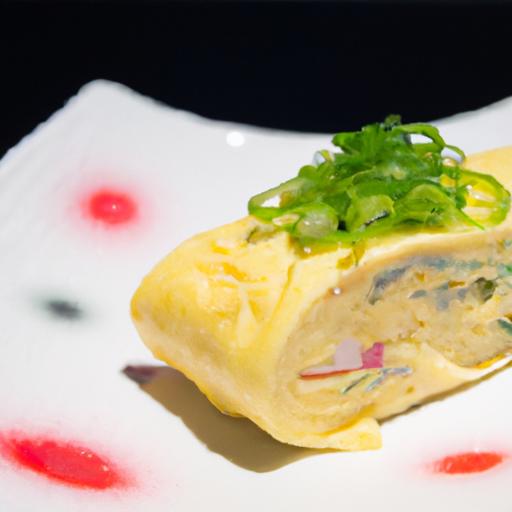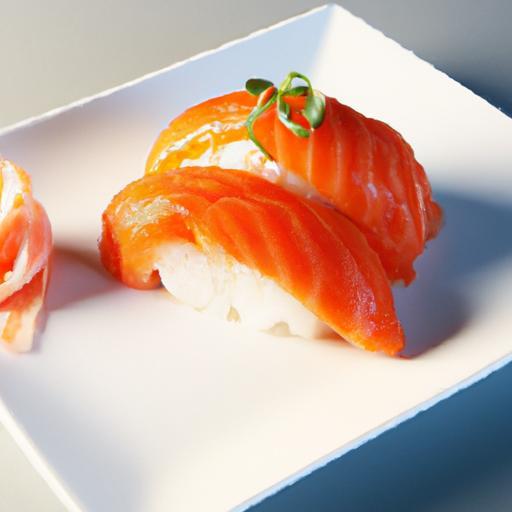

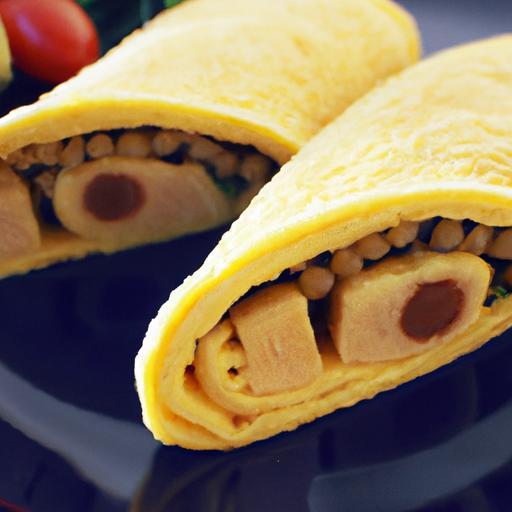
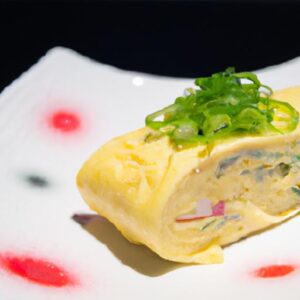
Beneath the delicate layers of Japan’s beloved tamagoyaki lies a captivating tale of tradition, technique, and taste. Often mistaken for a simple rolled omelette, tamagoyaki is in fact a culinary art form-an exquisite balance of sweetness, umami, and texture, perfected over centuries. As the hot pan whispers wiht sizzle and the spatula weaves folds of golden egg, each roll reveals more than flavor; it unveils the patient hands and mindful spirit behind one of Japan’s most iconic dishes. Join us as we unroll the story of tamagoyaki, exploring its origins, its cultural meaning, and the skillful craftsmanship that transforms humble eggs into a symphony of layered delight.
Discovering the Heart of Japan’s Rolled Omelette
Tamagoyaki unrolled offers more than just a glimpse into a simple egg dish; it reveals a culinary tradition steeped in history and artistry. This gentle, sweet-savory omelette has graced Japanese tables for centuries, originating from the Edo period when cooks began rolling layered eggs in special rectangular pans. Beyond its delicate balance of flavor, tamagoyaki embodies the Japanese values of patience, precision, and harmony. Whether enjoyed as a comforting breakfast, a refined sushi topping, or a delicately wrapped bento box staple, its cultural resonance extends from humble kitchens to high-end sushi counters worldwide.
Prep and Cook Time
- Planning: 10 minutes
- Cooking: 15 minutes
- Total Time: 25 minutes
Yield
Serves 4 as a side dish or sushi topping.
Difficulty Level
Medium – mastering the rolling technique takes practice but is rewarding.
Ingredients
- 5 large eggs,preferably room temperature
- 2 tablespoons dashi stock (or water for a vegetarian option)
- 1 tablespoon mirin (sweet rice wine)
- 1 tablespoon soy sauce
- 1 teaspoon sugar
- 1 tablespoon vegetable oil (for the pan)
Instructions
- Prepare the egg mixture. in a medium bowl, whisk the eggs gently with dashi, mirin, soy sauce, and sugar until just combined. Avoid overbeating to keep a velvety texture.
- Heat the pan. Warm a rectangular tamagoyaki pan over medium heat and lightly oil it with a paper towel dipped in vegetable oil to create a non-stick surface.
- Cook the first layer. Pour a thin layer of egg mixture, tilting the pan to cover the bottom evenly. Once the surface is half set but still slightly wet, roll the egg gently from one end to the other using chopsticks or a spatula.
- Add more layers. oil the pan lightly again, then pour another thin layer beneath the rolled omelette. When it starts to set, carefully roll the existing roll back onto this new layer, forming another thicker layer.Repeat this layering and rolling 3-4 times to build the tamagoyaki’s signature layered structure.
- Shape and rest. Once fully rolled, press lightly with a bamboo mat or spatula to shape and keep compact. Let it rest for a few minutes before slicing to allow juices to settle.
- Slice and serve. Cut into neat, glossy rectangles about 1-inch thick. Serve warm or at room temperature for the best texture and flavor.
Tips for Success
- Use fresh eggs. They yield a brighter color and richer taste.
- Temperature control is key. Medium to medium-low heat prevents burning and allows gentle cooking.
- Practice your roll. Using a bamboo sushi mat can help create tight, even layers.
- Customize the dashi. For an authentic umami boost, prepare your own dashi or opt for high-quality instant dashi granules.
- Make-ahead. Tamagoyaki keeps well refrigerated up to 24 hours. Warm slightly before serving to regain softness.
Serving Suggestions
present your tamagoyaki with a sprinkle of finely chopped green onions, a small mound of grated daikon radish, and a light drizzle of soy sauce or ponzu for contrast. For a modern twist, pair it with avocado slices or a dusting of shichimi togarashi. Its naturally gorgeous golden layers make it a stunning centerpiece for bento boxes or sushi platters, especially when served with pickled ginger and wasabi on the side.

| Nutrient | Per Serving |
|---|---|
| Calories | 120 kcal |
| Protein | 7 g |
| Carbohydrates | 4 g |
| Fat | 8 g |
For a deeper dive into Japanese culinary traditions and the science behind perfect egg dishes, explore our guide on Japanese breakfast classics.To learn more about the history and cultural role of tamagoyaki, visit Japan-Guide’s Cultural Insights.
Q&A
Q&A: Tamagoyaki Unrolled: The Art of Japan’s Rolled Omelette
Q: What exactly is tamagoyaki?
A: Tamagoyaki is a customary Japanese rolled omelette known for its delicate layers, sweet-savory balance, and beautiful golden hue. Unlike the typical Western omelette, it’s crafted by cooking thin layers of beaten egg one after another in a special rectangular pan, then rolling them into a cylindrical shape.
Q: Why is tamagoyaki considered an art form in Japan?
A: Crafting tamagoyaki is not just about cooking eggs-it’s a culinary choreography. Each layer requires precise timing and temperature control. The cook must fold and roll with practiced finesse to achieve a perfectly textured omelette that’s fluffy, tender, and slightly sweet, all without breaking. Mastering the technique demands patience, skill, and a deep thankfulness for subtle flavors.
Q: What ingredients give tamagoyaki its distinctive taste?
A: The foundation is beaten eggs sweetened typically with mirin (a sweet rice wine),sugar,and seasoned with a touch of soy sauce or dashi (a savory broth). This combination imparts tamagoyaki’s signature harmony between sweetness and umami, differentiating it from Western omelettes, which tend to rely on saltier or creamier profiles.
Q: How is tamagoyaki traditionally cooked?
A: Traditionally, tamagoyaki is cooked in a makiyakinabe-a rectangular or square frying pan made of layered metal.The shape allows cooks to roll the omelette into neat, uniform layers. The process involves pouring a thin layer of egg mixture, partially cooking it, then rolling it to one side before adding the next layer underneath. This repeats until multiple layers create the final rolled omelette.Q: What role does tamagoyaki play in Japanese cuisine?
A: Tamagoyaki is a beloved staple-from humble home breakfasts to polished sushi bars. It appears in bento boxes, adds color and flavor to sushi (as tamago nigiri), and symbolizes comfort and craftsmanship. Its presence spans casual meals to elegant kaiseki (traditional multi-course dinners), reflecting its versatility and cultural significance.
Q: Can tamagoyaki be customized or adapted?
A: Absolutely! While traditionalists cherish the classic sweet-savory profile, modern interpretations incorporate herbs, cheese, seafood, or vegetables to suit different palates. Regional variations tweak sweetness and seasoning levels. At home, tamagoyaki invites creativity while still honoring its simple, layered essence.
Q: What tips do experts share for perfecting tamagoyaki?
A: Key tips include: using a non-stick rectangular pan; warming the pan to medium-low heat; beating eggs thoroughly for uniform texture; seasoning carefully to balance sweet and savory; rolling promptly and gently to avoid tearing; and practicing patience as the layers build. Like any art, repetition hones skill.
Q: Why should people outside Japan try tamagoyaki?
A: Tamagoyaki opens a window into Japanese culture, blending technique, taste, and tradition in a humble ingredient-eggs.It’s a delicious adventure in texture and flavor, simple to make yet endlessly rewarding. For food lovers craving something new,tamagoyaki offers both challenge and charm on the plate.
by exploring the delicate folds of tamagoyaki, you unwrap a hidden gem of Japanese cuisine-an edible artwork that’s as captivating to make as it is to savor. Whether a novice or a seasoned cook,mastering tamagoyaki is a delicious path to appreciating the subtle poetry of food tradition.
Insights and Conclusions
As the final layers of tamagoyaki come together in a delicate, golden embrace, we glimpse not just a dish, but a story-one of patience, precision, and centuries of culinary craftsmanship. This humble rolled omelette, with its sweet-savory harmony and silky texture, invites us to appreciate the elegance woven into everyday Japanese cuisine. Whether served atop a bed of sushi rice or enjoyed warm from the pan, tamagoyaki is a testament to how simple ingredients, guided by skilled hands, can become a timeless art.So next time you savor a bite, remember: you’re tasting history, culture, and the quiet poetry rolled within each fold.