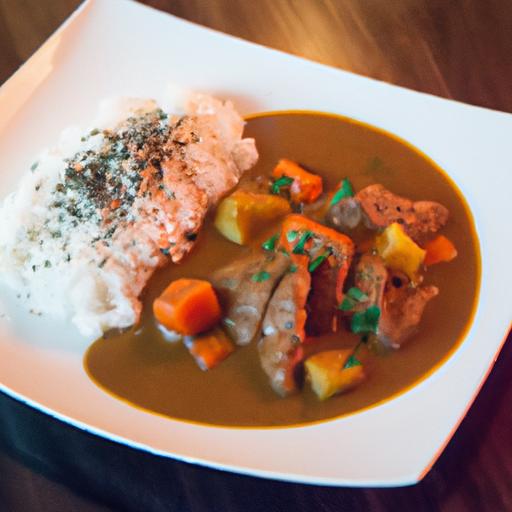

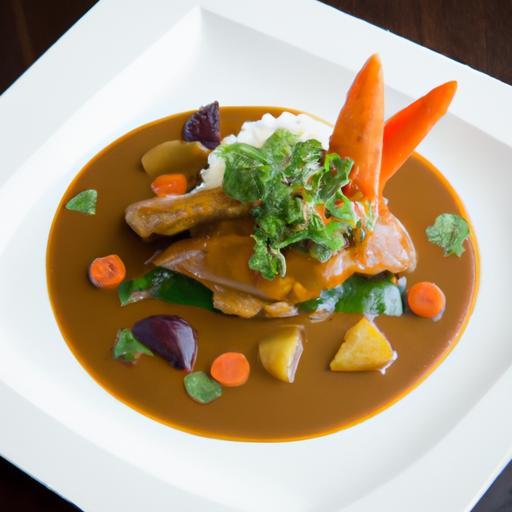

In the realm of comfort foods, few dishes weave together warmth, depth, and a touch of mystery quite like Japanese curry. far from its fiery Indian origins and distinct from its Southeast Asian cousins, this velvety, fragrant stew has carved out a beloved niche in kitchens and hearts across Japan-and increasingly, around the world. But what makes Japanese curry so irresistibly satisfying? how do the layers of flavor build from simple ingredients to a symphony of savory, sweet, and umami notes? In this step-by-step guide, we’ll unlock the secrets behind crafting authentic Japanese curry at home, unveiling techniques and tips that transform everyday components into a bowl of pure culinary magic. Whether you’re a seasoned cook or a curious newcomer, prepare to embark on a flavorful journey that honors tradition while inviting your own creative flair.Japanese Curry
Unlocking Flavor: This journey into authentic Japanese curry begins by selecting ingredients that truly embody its rich, comforting essence. Originating from a creative fusion of Indian curry spices and Japanese culinary precision, this beloved dish balances warmth and texture beautifully.I recall my first taste of home-cooked Japanese curry, were the velvety roux and harmonious blend of sweet and savory notes instantly captivated me. Crafting it at home, with thoughtfully chosen elements, unlocks an experience both nostalgic and deeply satisfying.Japanese Curry
Prep and Cook Time
- Preparation: 20 minutes
- Cooking: 1 hour
Yield
- Serves 6 hearty portions
Difficulty Level
- Medium – Perfect for confident home cooks wanting to elevate their Japanese curry game
ingredients
- 2 tablespoons vegetable oil
- 1 large onion, thinly sliced
- 3 medium carrots, cut into bite-sized chunks
- 3 medium potatoes, peeled and cubed
- 1 lb (450g) beef chuck, cut into 1-inch cubes (or chicken thighs for variation)
- 4 cups low-sodium chicken broth or water
- 3 tablespoons all-purpose flour
- 3 tablespoons unsalted butter
- 2 tablespoons mild curry powder (preferably Japanese curry powder blend)
- 1 tablespoon garam masala
- 1 tablespoon tomato paste
- 2 teaspoons honey or mirin for sweetness
- 1 teaspoon grated fresh ginger
- 1 small apple, grated (Fuji or Gala for natural sweetness)
- Salt and freshly ground black pepper to taste
- Cooked Japanese short-grain rice (for serving)
- Pickled fukujinzuke or rakkyo (optional, for classic tangy garnish)
Instructions
- Prepare the roux: In a small saucepan over low heat, melt butter until foaming. Stir in the flour gradually. Continue stirring constantly for 8-10 minutes, until mixture turns a warm, light brown and releases a nutty aroma. Remove from heat, stirring in curry powder and garam masala until well combined. set aside.
- Sauté the aromatics and meat: Heat vegetable oil in a large heavy-bottom pot over medium heat. Add the onion and cook until golden brown and caramelized, about 10-12 minutes, stirring occasionally.
- add beef cubes: Brown the beef on all sides, about 5 minutes, ensuring a rich sear for flavor depth.Japanese Curry
- Incorporate vegetables: Add carrots, potatoes, grated apple, and ginger. Stir well to coat with flavors.Japanese Curry
- Pour in broth: Add chicken broth, scraping the bottom to deglaze. Bring to a boil, then reduce heat to low. Cover and simmer for 45 minutes until beef and vegetables are tender.
- Add the roux: Gradually whisk in the prepared roux and tomato paste to the simmering stew. Stir continuously to dissolve and thicken the curry evenly.
- Finish seasoning: Stir in honey or mirin for a delicate sweetness and balance flavors with salt and pepper. Simmer uncovered for 10-15 minutes until the curry extends a luscious, creamy consistency.
- Final taste check: Adjust seasoning to your preference. If too thick, add a splash of broth or water.
Chef’s Notes
- For a silky roux, stir constantly and be patient during the browning process to avoid burning.
- Feel free to substitute beef with chicken or pork for different textures and flavors.
- Adding grated apple elevates the curry’s sweetness subtly without overpowering the spices.
- Make ahead tip: The curry tastes even better the next day as flavors deepen. Store refrigerated up to 3 days.
- Use Japanese short-grain rice for an authentic sticky accompaniment that perfectly soaks up the curry sauce.
Serving Suggestions
Plate steaming hot Japanese curry over a mound of glossy, perfectly cooked short-grain rice. Garnish with pickled fukujinzuke or rakkyo to add a burst of tangy contrast.For extra texture, add blanched green beans or a crisp side salad. A small bowl of miso soup and a crisp cucumber sunomono salad complete this soul-satisfying meal exquisitely.Japanese Curry
Nutritional Information per Serving
| Nutrient | Amount |
|---|---|
| Calories | 420 kcal |
| Protein | 28 g |
| Carbohydrates | 38 g |
| Fat | 15 g |

For deeper insight into Japanese spices and traditional flavor profiles, explore the Japan Guide’s definitive overview of Japanese cuisine. For a related recipe on staple Japanese side dishes, check out our Perfect Japanese Rice Recipe.
Q&A
Q&A: Unlocking Flavor - A Step-by-Step Guide to Japanese Curry
Q1: What makes Japanese curry so unique compared to other curries?
A1: Japanese curry is a harmonious blend of rich, savory, and slightly sweet flavors, distinct from the fiery heat or intense spice layers in Indian or Thai curries. it’s creamy, mildly spiced, and comfortingly thick-almost like a culinary hug in a bowl. The magic lies in its roux base, which creates that signature smooth texture and mellow depth.Japanese Curry
Q2: What are the essential ingredients for authentic Japanese curry?
A2: At its core, Japanese curry requires curry roux (a blend of flour, butter, and curry powder), a protein such as chicken or pork, hearty vegetables like potatoes, carrots, and onions, and a flavorful broth. Additional touches like grated apple or honey add subtle sweetness that balances the spice. Don’t forget the rice, as it’s the ultimate curry companion.Q3: How do you make curry roux from scratch?
A3: Making roux starts with melting butter in a pan, then whisking in an equal amount of flour to form a paste. Cook this mixture until it turns golden brown for a nutty aroma. Next, add Japanese curry powder, garam masala, and a pinch of cayenne for warmth. This carefully crafted blend is what unlocks the deep, layered flavor of Japanese curry.
Q4: Can Japanese curry be customized for different taste preferences?
A4: Absolutely! The beauty of Japanese curry is its versatility.For milder palates, reduce spice quantities and emphasize sweet flavors like apple or honey. For a bolder kick, incorporate extra chili powder or fresh ginger. Swap proteins or experiment with seasonal vegetables-everything from seafood to pumpkin can transform your curry into a unique masterpiece.
Q5: What’s the best technique to achieve that perfect curry consistency?
A5: Patience is key.After sautéing your meat and veggies, simmer them gently in broth to let the flavors meld. When adding the roux, do so gradually while stirring constantly to avoid lumps. Adjust liquid levels as needed; the ideal consistency is thick enough to coat a spoon but still fluid enough to pour gracefully over rice.Q6: Any tips for serving and pairing Japanese curry?
A6: Serve your curry piping hot over steaming white rice for a classic experience. Pickles like Fukujinzuke or Rakkyo add tangy crunch that brightens the dish.A crisp green salad or a glass of chilled beer can offer refreshing contrast. And never underestimate the power of a side of soft-boiled egg or melty cheese to elevate each bite.
Q7: Why is Japanese curry considered comfort food?
A7: Japanese curry is more than just a dish-it’s nostalgia, warmth, and home all rolled into one. Its soothing texture and balanced flavor provide a sense of calm and satisfaction. Whether enjoyed on a rainy day or after a long journey, this curry comforts the soul and invites you to savor every spoonful slowly.
Unlocking the secret to Japanese curry is like discovering a treasure chest of flavor-layered,comforting,and endlessly adaptable. With these steps and insights, you’ll be crafting bowls that warm hearts and excite taste buds. Ready to dive in? Your aromatic adventure awaits!
Final Thoughts
As the rich aroma of simmering spices fades and your taste buds savor the final bite,you’ve not just cooked a meal-you’ve unlocked a tradition woven into the heart of Japan’s culinary tapestry. Japanese curry, with its perfect harmony of sweetness, warmth, and depth, invites both the novice and the seasoned cook to explore its comforting embrace. By following these steps,you’ve transformed simple ingredients into a flavorful journey,one that transcends the plate and connects you to a culture passionate about flavor. So next time you crave that golden,velvety sauce,remember: the key to unlocking authentic Japanese curry lies in patience,balance,and a pinch of curiosity. Happy cooking, and even happier tasting!