

In the vibrant tapestry of world cuisines, few dishes captivate the senses quite like biryani. Layer upon aromatic layer, this beloved dish tells a story of culture, tradition, and festivity. But while the classic versions ofen center around succulent meats, there’s a growing chorus of food lovers embracing a vegetarian twist – the vegetable biryani.savor the Flavors: A Guide to Perfect Vegetable Biryani invites you on a journey to uncover the secrets behind this fragrant masterpiece. From selecting the freshest produce to mastering the intricate balance of spices and rice,this guide will empower you to create a dish that’s not only rich in taste but also a wholesome celebration of nature’s bounty. Whether you’re a seasoned cook or a curious food explorer, get ready to transform your kitchen into a fragrant haven where every bite tells a delicious story.Vegetable Biryani
Savor the Flavors: A guide to perfect Vegetable Biryani
Savor the flavors of a perfectly crafted vegetable biryani-a timeless Indian classic that marries vibrant vegetables, fragrant spices, and tender rice into an unforgettable feast. Rooted in Mughal culinary traditions, this dish evokes warmth and celebration with every aromatic layer. Whether it’s a family gathering or a special occasion, mastering this recipe empowers you to orchestrate a stunning symphony of tastes and textures in your kitchen.Vegetable Biryani
Prep and Cook Time
- Preparation: 30 minutes
- cooking: 40 minutes
- Total Time: 1 hour 10 minutes
Yield
Serves 6 generous portions
Difficulty Level
Medium – Ideal for home cooks seeking to impress with layered flavors
Ingredients
- 1½ cups basmati rice, rinsed and soaked for 30 minutes
- 2 tablespoons ghee or vegetable oil
- 1 large onion, thinly sliced
- 2 cups mixed vegetables (carrots, green beans, peas, cauliflower florets)
- 1 large tomato, chopped
- 2 green chilies, slit (optional)
- 1 tablespoon ginger-garlic paste
- ½ cup yogurt, whisked
- ¼ cup chopped fresh cilantro
- ¼ cup chopped fresh mint leaves
- 2 cups water
- Salt to taste
- Spice Blend:
- 1 teaspoon cumin seeds
- 3 green cardamom pods
- 4 cloves
- 1 small cinnamon stick
- 1 bay leaf
- 1 teaspoon coriander powder
- ½ teaspoon turmeric powder
- 1 teaspoon garam masala
- ½ teaspoon red chili powder (adjust to taste)
Instructions
- Prepare the rice: Drain the soaked basmati rice and bring 3 cups of water to a boil with a pinch of salt. Add the rice and cook until it is about 70% done – grains should still have a slight bite. Drain and set aside.
- Bloom the spices: Heat ghee in a heavy-bottomed pan over medium heat. add cumin seeds, cardamom, cloves, cinnamon, and bay leaf. Sauté until aromatic,about 1-2 minutes,being careful not to burn the spices.
- Sauté the onions: Add the sliced onions and cook, stirring often, until caramelized to a deep golden brown, approximately 10 minutes. This step infuses the biryani with its signature sweetness and depth.
- Add ginger-garlic paste and chili: Stir in the ginger-garlic paste and green chilies; sauté until raw smells disappear, about 2 minutes.
- Cook the vegetables: Add the mixed vegetables and tomato. Sprinkle turmeric, coriander, red chili powder, and some salt. cook until vegetables begin to soften, roughly 5-7 minutes. Stir occasionally for even cooking.Vegetable Biryani
- Mix the yogurt and herbs: Reduce heat and add whisked yogurt, cilantro, and mint leaves.Stir gently to preserve the herbs’ freshness.Allow the mixture to simmer for 5 minutes while the flavors meld beautifully.
- Layer the biryani: In a large heavy pot or Dutch oven, spread half the vegetable mixture. Next, layer half the partially cooked rice evenly over the vegetables. Sprinkle half the garam masala and some fresh herbs.Repeat layering with remaining vegetables and rice,finishing with garam masala on top.
- Dum cooking technique: Seal the pot with a tight-fitting lid or dough to trap steam. Cook on very low heat for 20 minutes to let the rice absorb aromatic spices and moisture, creating a fluffy yet firm texture.
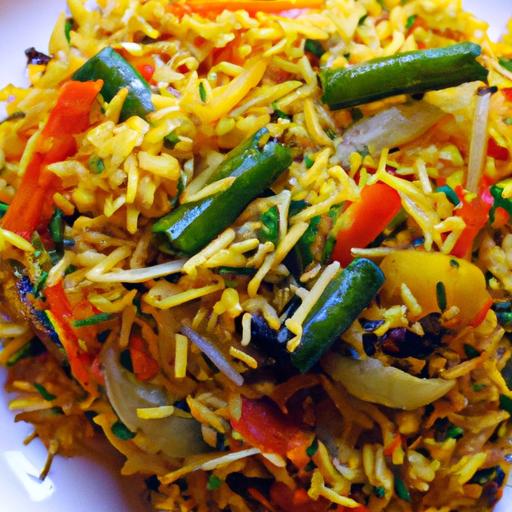
- final fluff and serve: Remove the lid, gently fluff the biryani using a fork without breaking the rice grains, revealing a vibrant mosaic of vegetables and herbs.
Tips for Success
- vegetable selection: Choose firm vegetables that can hold their shape during slow cooking. Avoid watery veggies like zucchini as they may turn mushy.
- Perfect rice texture: Don’t overcook the rice before layering. Slightly undercooked rice ensures a fluffy final dish after dum cooking.
- Spice blending: Toast whole spices briefly to amplify their aroma before grinding or use whole spices in dum for an authentic depth of flavor.
- Make-ahead tip: Prepare the spice-infused vegetable mixture a day before to let the flavors intensify. Assemble and cook just before serving.
- Garlic-nutty twist: Garnish with fried cashews or slivered almonds and fried onions for textural contrast and richer taste.
Serving Suggestions
Present your vegetable biryani on a large, warm platter garnished with fresh cilantro, mint sprigs, and a wedge of lemon for a burst of brightness. Accompany it with cooling cucumber raita or a tangy mango chutney to balance the warm spices. A side of crisp papadums or a simple kachumber salad adds refreshing crunch that complements each aromatic bite.
| Nutrient | Per Serving |
|---|---|
| Calories | 320 kcal |
| Protein | 7 g |
| Carbohydrates | 58 g |
| Fat | 7 g |
Image: A vibrant serving of vegetable biryani layered with aromatic spices and fresh herbs, showcasing the ultimate “Savor the Flavors: A Guide to Perfect Vegetable Biryani”.

For further inspiration on perfecting rice dishes, explore our Perfect Basmati Rice Techniques. To deepen your understanding of conventional spice blends, check out this authoritative guide on Indian spices.
Q&A
Q&A: Savor the Flavors – A Guide to Perfect Vegetable Biryani
Q1: what makes vegetable biryani such a beloved dish around the world?
A1: Vegetable biryani is a vibrant tapestry of fragrant spices, tender vegetables, and aromatic basmati rice, woven together into one unforgettable mosaic of flavor. It’s beloved as it marries robust Indian culinary traditions with the freshness of garden veggies, creating a dish that’s both hearty and soul-satisfying. Whether enjoyed at celebratory feasts or quiet family dinners,it always brings warmth and joy to the table.Vegetable Biryani
Q2: How do I choose the right vegetables for an authentic vegetable biryani?
A2: The key is variety and texture! Opt for a colorful mix-think potatoes, carrots, peas, green beans, cauliflower, and bell peppers. Each vegetable adds its own character: potatoes bring comfort, carrots add sweetness, peas lend bursts of freshness, and cauliflower contributes a subtle earthiness. Using seasonal and fresh produce enhances the depth of flavor and the overall experience.
Q3: What spices are essential to capturing the essence of vegetable biryani?
A3: The soul of a perfect biryani lies in its spice blend. Whole spices like cinnamon sticks, green cardamom pods, cloves, bay leaves, and star anise set the aromatic foundation. Ground spices such as turmeric, red chili powder, coriander, and garam masala layer the flavors. Don’t forget fresh ginger, garlic, and a touch of saffron soaked in warm milk to infuse that royal hue and subtle sweetness.Vegetable Biryani
Q4: How can I ensure the rice cooks perfectly without becoming mushy or sticky?
A4: The secret is in preparation and patience. Start by rinsing basmati rice thoroughly to wash away excess starch,then soak it for about 30 minutes.Par-cook the rice until it’s about 70% done-grains should be soft on the outside but still have a slight bite. When layering with vegetables,steam the biryani gently on low heat (a method called “dum”) to let the flavors marry without overcooking the rice.
Q5: Are there any tips to layering the biryani for maximum flavor and texture?
A5: Absolutely! Layering is where the magic happens. Begin with a base of spiced vegetables, then spoon on a layer of fragrant rice.Sprinkle fresh herbs like cilantro and mint between layers, drizzle with saffron milk, and dot with ghee or butter to enhance richness. Repeat as desired, then seal the pot with a tight lid or dough to trap steam, allowing the flavors to meld beautifully during cooking.
Q6: can vegetable biryani be made ahead of time and still taste fresh?
A6: Yes! Vegetable biryani frequently enough tastes even better the next day as the flavors deepen and intermingle. Store it in an airtight container in the fridge, and when ready to serve, gently reheat with a splash of water or a few drops of ghee to rejuvenate the moisture and aroma. It’s a fantastic make-ahead dish for gatherings or busy weeknights.
Q7: What accompaniments complement vegetable biryani perfectly?
A7: A side of cooling raita (yogurt mixed with cucumber and mint), tangy mango chutney, or crisp papadums elevate the biryani experience by balancing its bold spices with refreshing contrasts. A fresh salad of sliced onions, tomatoes, and lemon wedges adds brightness, making every bite a delightful interplay of textures and flavors.Q8: Is vegetable biryani suitable for special diets?
A8: Absolutely! Vegetable biryani is naturally vegetarian and can be easily adapted for vegan diets by substituting ghee with vegetable oil or vegan butter and omitting yogurt-based sides. It’s gluten-free by nature and packed with fiber and nutrients from the vegetables and spices, making it a wholesome choice for many dietary preferences.
With these insights, you’re ready to embark on your vegetable biryani adventure-bringing the rich heritage and irresistible flavors of this iconic dish straight to your kitchen. Happy cooking and savor every fragrant spoonful!
In Summary
As the aromatic layers of your vegetable biryani gently settle, you’ve unlocked more than just a recipe-you’ve embraced a vibrant tapestry of flavors, history, and tradition. Whether enjoyed as a celebratory centerpiece or a comforting everyday delight, perfecting this dish invites you to savor not only its spices but also the art of patience and balance in cooking. so next time you stir your pot of fragrant rice and vegetables, remember: each grain carries a story, and every bite is a celebration of the rich culinary heritage that makes vegetable biryani truly unforgettable. Happy cooking, and even happier savoring!