
Few culinary creations evoke the warmth of home and the richness of tradition quite like a perfectly crafted Bolognese sauce.This savory masterpiece, with its roots deep in the heart of Italy’s Emilia-Romagna region, is more than just a pasta topping-its a celebration of slow-cooked flavors, layered textures, and time-honored techniques. Whether you’re a seasoned cook aiming to refine your skills or a curious kitchen adventurer eager to explore classic Italian fare, mastering Bolognese sauce promises a rewarding journey. In this guide,we’ll unravel the secrets behind its luscious depth,step by step,turning humble ingredients into a sauce that’s as comforting as it is iconic. Prepare to elevate your culinary repertoire and bring a taste of Bologna straight to your table.Bolognese Sauce
Mastering Bolognese Sauce begins with a deep gratitude for its rich heritage and the meticulous care needed to develop its signature depth and complexity. This timeless Italian classic, originating from Bologna, embodies soulful simmered flavors that celebrate the harmony of fresh, quality ingredients transformed through patient cooking. Whether you’re a seasoned cook or an enthusiastic home chef, unlocking the secrets behind this savory masterpiece will inspire your kitchen and elevate your pasta nights.Bolognese Sauce
Prep and Cook Time
- Readiness: 20 minutes
- Cooking: 2 to 3 hours (slow simmering for optimal flavor)
- Total Time: Approximately 2 hours 20 minutes to 3 hours 20 minutes
Yield
- Serves 6 generously
Difficulty Level
- Medium – requires attentive simmering and layering techniques
Ingredients
- 2 tbsp extra-virgin olive oil
- 3 tbsp unsalted butter
- 1 large onion, finely diced
- 2 medium carrots, finely diced
- 2 celery stalks, finely diced
- 4 oz pancetta, finely chopped
- 12 oz ground beef (preferably chuck)
- 8 oz ground pork
- 1 cup whole milk
- 1 cup dry white wine
- 28 oz canned whole San Marzano tomatoes, crushed by hand
- Salt and freshly ground black pepper, to taste
- 1/4 tsp freshly grated nutmeg
- 2 bay leaves
- Fresh basil or flat-leaf parsley, for garnish
Instructions
- Warm the olive oil and butter in a large heavy-bottomed pot over medium heat until melted and shimmering.
- Add the finely diced onion, carrot, and celery. Sauté gently until softened and translucent, about 8-10 minutes. Stir occasionally to avoid browning; the goal is to build sweetness without color.
- Incorporate the pancetta and cook until slightly crisp, infusing the base with savory depth.Bolognese Sauce
- Add the ground beef and pork, breaking it apart with a wooden spoon. Brown thoroughly, allowing the meat to caramelize and release its rich juices, about 8 minutes.Bolognese Sauce
- Pour in the milk and simmer gently until fully absorbed by the meat. This tenderizes the protein and softens acidity.Bolognese Sauce
- Deglaze with the white wine, letting it reduce by half while stirring to release all those fond bits clinging to the pot’s bottom.
- Stir in the hand-crushed San Marzano tomatoes, salt, pepper, nutmeg, and bay leaves. Bring mixture to a gentle simmer.
- Reduce heat to low, cover partially, and let the sauce cook undisturbed for 2 to 3 hours. Stir occasionally, adding a splash of water or broth if it becomes too thick. This slow simmer melds all flavors into a luscious, velvety sauce.Bolognese Sauce
- Adjust seasoning at the end. Remove bay leaves and discard.
Tips for Success
- Use ground pork and beef blend for balance in fat and texture, essential for richness.Bolognese Sauce
- Patience matters-a slow simmer prevents bitterness and promotes harmonized flavor layers.
- whole milk softens the meat’s acidity and creates a silkier sauce texture.
- Choose canned San Marzano tomatoes for their sweet, balanced acidity and radiant natural flavor (considered best for authentic Bolognese).
- Make-ahead advice: Prepare Bolognese a day in advance; flavors deepen overnight, and reheating gently with a splash of broth brings it back to life.Bolognese Sauce
- for a gluten-free option, serve with zucchini ribbons or gluten-free pasta.
Serving Suggestions
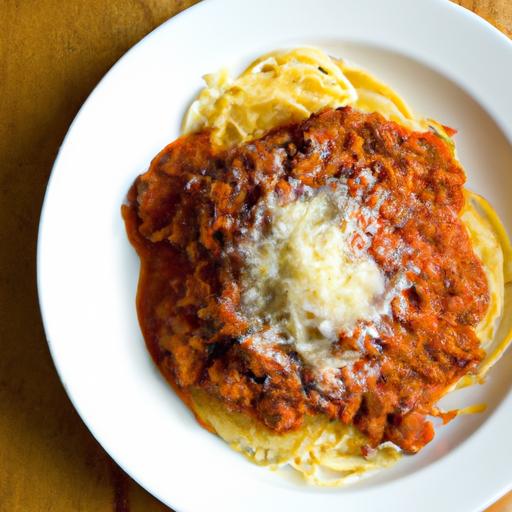
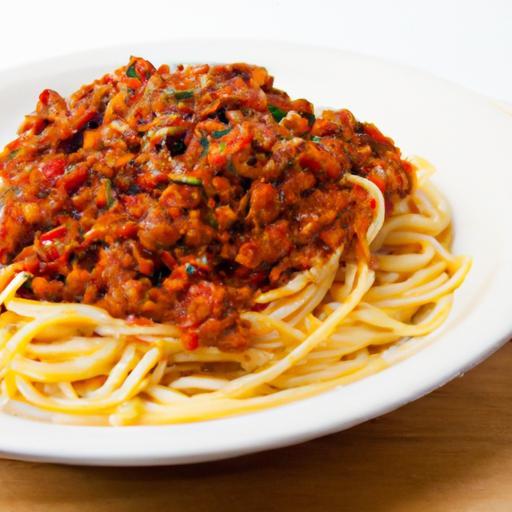
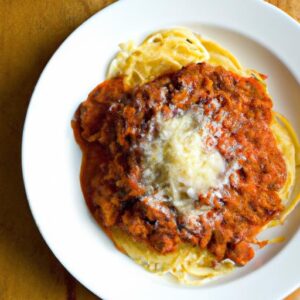
- Classic pairing: Cook fresh tagliatelle or fettuccine until al dente and toss generously with the Bolognese sauce. The wide noodles catch the rich meat sauce perfectly.Bolognese Sauce
- Grated Parmigiano-Reggiano adds a nutty finishing touch and enhances umami.
- Garnish with fresh basil or flat-leaf parsley to introduce a bright contrast to the rich sauce.
- Wine pairing tip: Opt for a medium-bodied Italian red such as Chianti Classico or Barbera d’Alba to complement the sauce’s savory profile without overpowering it.Bolognese Sauce

| Nutrient | Per Serving |
|---|---|
| Calories | 380 kcal |
| Protein | 28 g |
| Carbohydrates | 12 g |
| Fat | 22 g |
For more tips on mastering Italian sauces and pasta techniques,explore our Perfect Pasta Guide. To dive deeper into the rich history of italian culinary traditions, visit the Encyclopedia Britannica Bolognese page.
Q&A
Q&A: Mastering Bolognese Sauce – A savory Classic Recipe Guide
Q1: What exactly is Bolognese sauce, and how is it different from regular spaghetti sauce?
A1: Bolognese sauce, or Ragù alla Bolognese, is a rich, slow-cooked meat-based sauce originating from Bologna, Italy. Unlike a typical tomato-forward spaghetti sauce,Bolognese is a hearty blend of ground meats,soffritto (onions,carrots,celery),wine,milk,and a subtle tomato presence.The result is a layered, savory depth that clings beautifully to pasta like tagliatelle or pappardelle, rather than the thin, bright red sauces often used on spaghetti.Bolognese Sauce
Q2: What are the essential ingredients to achieve an authentic bolognese flavor?
A2: Authentic Bolognese relies on quality, simple ingredients: finely chopped onions, carrots, and celery; a mix of ground beef and pork; pancetta for smoky depth; dry white or red wine; whole milk or cream for silkiness; a small amount of crushed tomatoes or tomato paste; and plenty of patience to simmer low and slow. Fresh herbs like bay leaves and nutmeg add subtle warmth without overpowering the sauce’s natural richness.Bolognese Sauce
Q3: Can I make Bolognese sauce vegetarian or vegan?
A3: Absolutely! While traditional Bolognese is meat-centric, modern variations embrace vegetables and plant-based proteins. For a vegetarian version, lentils, mushrooms, and finely chopped walnuts can replicate the meat’s texture and umami punch. Incorporating soy or mushroom-based vegan “meats” also works well. Just remember to still build flavor through a hearty soffritto, wine, and rich vegetable broth to keep that savory magic alive.Bolognese Sauce
Q4: How long should I cook Bolognese sauce, and why is slow cooking crucial?
A4: Patience is the secret ingredient! Bolognese flourishes with at least 2 to 3 hours of gentle simmering. Slow cooking allows the flavors to meld and intensify, the meat to tenderize, and the sauce to thicken into a luscious, velvety consistency. Rushing the process risks a sharp, fragmented taste and watery texture – a tragedy for such a revered classic.Bolognese Sauce
Q5: what pasta pairs best with Bolognese sauce?
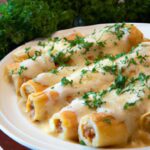
A5: The sauce’s robust texture deserves a pasta that can cradle its hearty goodness. Wide, flat noodles like tagliatelle, pappardelle, or fettuccine are traditional choices-they catch the meaty sauce in every forkful. For a fun twist, baked pasta dishes like lasagna or even stuffed pastas like cannelloni showcase Bolognese’s rich layers beautifully.Bolognese Sauce
Q6: How can I store and reheat leftover Bolognese sauce without losing flavor?
A6: Store your Bolognese in an airtight container in the fridge for up to 4 days or freeze it for up to 3 months. When reheating, warm it gently on the stove over low heat, adding a splash of water, broth, or milk to restore the sauce’s creaminess and prevent drying out. The great news? Bolognese frequently enough tastes even better the next day, once the flavors have further melded.Q7: Any tips for personalizing Bolognese while respecting its classic roots?
A7: Definitely! While honoring tradition is key,creative touches can elevate your Bolognese. Consider stirring in a splash of balsamic vinegar or a pinch of chili flakes for brightness and a hint of heat. Experiment with different meat blends-adding veal or game meats can deepen flavor. And don’t be shy with fresh herbs like thyme or rosemary for subtle aromatic layers. Just remember: balance and slow-cooked harmony remain the heart of this timeless sauce.
With this guide in hand, you’re ready to dive into mastering Bolognese-an artful dance of ingredients and time that rewards with every savory, mouthwatering bite. Buon appetito!Bolognese Sauce
The Way Forward
As the rich aroma of your Bolognese sauce simmers to perfection, you’ve done more than just follow a recipe-you’ve embraced a timeless tradition steeped in history and heart.Mastering this savory classic is not merely about ingredients or technique; it’s an invitation to slow down, savor the process, and connect with a culinary legacy that has delighted generations. Whether served over fresh pasta, polenta, or even a comforting baked dish, your homemade Bolognese carries the warmth of Italy’s vibrant kitchens straight to your table. so, roll up your sleeves, trust your senses, and let every simmering moment bring you closer to the art of soulful cooking. Buon appetito!Bolognese Sauce