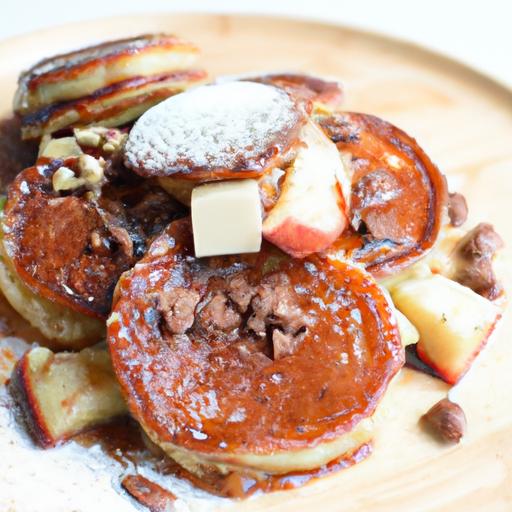

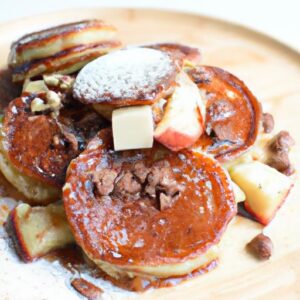
In the vast tapestry of Japanese confections, few treats capture the heart and palate quite like dorayaki. These golden, fluffy pancakes sandwiching a generous scoop of sweet red bean paste offer more than just a dessert-they tell a story of tradition, culture, and comforting flavors passed down through generations. “Dorayaki Delight: Exploring Japan’s sweet Red Bean Pancake” invites you on a sensory journey to uncover the origins, variations, and enduring charm of this beloved sweet. Whether savored as an everyday snack or a special indulgence, dorayaki stands as a tasty emblem of Japan’s rich culinary heritage waiting to be discovered bite by bite.Dorayaki
Dorayaki Delight: Exploring Japan’s Sweet Red Bean Pancake
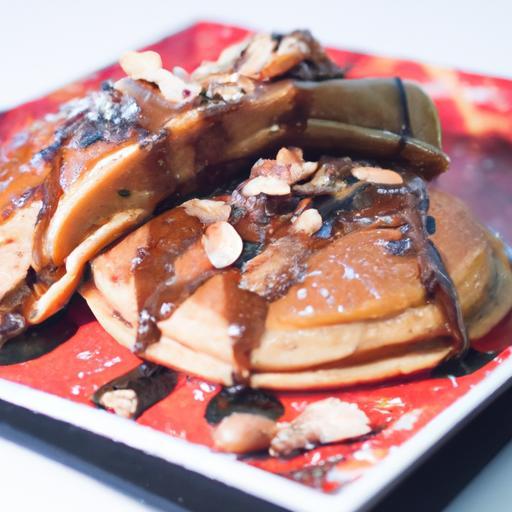
Dorayaki Delight is more than just a beloved Japanese treat; it symbolizes a harmonious balance of texture and flavor that has captured hearts globally. This iconic pancake sandwich features two fluffy, golden-brown castella-style pancakes embracing a luscious layer of sweet red bean paste, known as anko. Originating from the Edo period, Dorayaki embodies centuries of Japanese culinary tradition, inviting both beginners and seasoned cooks to experience a delightful fusion of simplicity and sophistication in every bite.Dorayaki
Prep and Cook Time
- Planning: 15 minutes
- Cooking: 10 minutes
- Total: 25 minutes
Yield
Makes 8 small pancakes, yielding 4 Dorayaki sandwiches.
Difficulty Level
Easy – Ideal for home cooks eager to explore conventional Japanese sweets.
Ingredients
- 1 cup all-purpose flour, sifted
- 3 large eggs
- 1/2 cup granulated sugar
- 2 tbsp honey
- 1/2 tsp baking soda
- 3 tbsp water
- 1 cup sweetened red bean paste (anko), smooth or chunky per preference
- Butter or vegetable oil for greasing the pan
The Art of Making Perfect Dorayaki: Ingredients and Techniques Explained
The secret to impeccable Dorayaki lies in the batter’s light texture and the even golden hue of each pancake. Begin by gently whisking the eggs and sugar until the mixture becomes pale and slightly frothy. adding honey not only enhances sweetness but also contributes moisture, keeping pancakes tender. Dissolving baking soda in water before incorporating it into the batter ensures a gentle rise and delicate crumb.Dorayaki
- Prepare the batter: In a mixing bowl, beat the eggs and sugar until creamy and pale. Stir in honey thoroughly.
- Activate the baking soda: Mix the baking soda wiht water, then slowly fold this liquid into the egg mixture.
- Add flour: Sift the flour in gradually, folding it gently to avoid overmixing, preserving air for fluffiness.Dorayaki
- Rest the batter: Cover and allow it to rest for 15 minutes at room temperature to relax gluten for smoother pancakes.
- Cook pancakes: Lightly grease a non-stick skillet and heat on medium-low. Pour 2-3 tbsp batter forming 3-inch circles.
- Flip carefully: When bubbles appear and edges look set, flip and cook the other side until golden brown (about 1 minute per side).
- Form Dorayaki: Once cooled slightly, spread a generous layer (~2 tbsp) of red bean paste between two pancakes, pressing gently to seal.Dorayaki
tips for Success
- For ultra-soft pancakes, do not overmix the batter; gentle folding keeps it airy.Dorayaki
- If your red bean paste is thick, warm it slightly to spread evenly.
- Resting the batter is crucial for texture; skipping this can yield dense pancakes.Dorayaki
- Use a non-stick pan and keep heat moderate to avoid browning too fast or burning.Dorayaki
- Leftover Dorayaki can be wrapped and refrigerated for up to 2 days; warm slightly before serving.Dorayaki
Exploring Regional Variations and Flavor Innovations Across Japan
While the classic sweet red bean filling reigns supreme, various regions of Japan have experimented with unique Dorayaki twists. In Hokkaido, you might find fillings enriched with creamy custard or matcha-flavored anko, balancing bitterness with sweetness. Kansai offers chestnut-infused paste versions,especially during autumn festivities. contemporary takes also incorporate whipped cream, chocolate ganache, or seasonal fruits, illustrating Dorayaki’s versatility beyond tradition, enticing adventurous palates.
Serving Suggestions
Present Dorayaki warm or at room temperature on traditional Japanese plates, garnished with a dusting of powdered sugar or a side of matcha tea to complement the earthy sweetness of anko. For added visual appeal, sprinkle toasted sesame seeds or add a small piece of candied yuzu peel atop the filling before sandwiching the pancakes. This elevates the sensory experience with fragrant citrus notes and a touch of crunch.Dorayaki
| Nutritional Info (per serving) | Calories | Protein | Carbs | Fat |
|---|---|---|---|---|
| 1 Dorayaki Sandwich | 220 kcal | 5 g | 40 g | 2.5 g |
Top Spots to Savor Authentic dorayaki and Must-Try Red Bean Fillings
Japan’s famed Tokyo’s dorayaki shops like Usagiya in Kagurazaka offer exceptional renditions with a deeply refined anko that melts in your mouth. Kyoto’s tea houses present premium matcha-infused versions, frequently enough paired with handcrafted green tea. For aficionados, I reccommend exploring local markets and bakeries renowned for preserving artisanal methods. Discover more Japanese sweets to expand your confectionery repertoire.

Q&A
Q&A: Dorayaki Delight – Exploring Japan’s Sweet Red Bean Pancake
Q1: What exactly is dorayaki?
A1: Dorayaki is a beloved Japanese confection consisting of two fluffy, golden pancakes sandwiched around a generous filling of sweetened red bean paste, known as anko.Think of it as japan’s answer to a sweet, portable pancake sandwich – comforting, nostalgic, and utterly delicious.
Q2: How did dorayaki get its name?
A2: The name “dorayaki” comes from the Japanese word “dora” meaning “gong” and “yaki” meaning “grilled” or “fried.” The pancakes’ round, flat shape is said to resemble a gong, giving the treat its whimsical name. Legend even suggests a samurai left his gong behind, which was then used to cook the first dorayaki!
Q3: What’s special about the filling?
A3: The heart of dorayaki is the anko – sweet red bean paste made from azuki beans. It has a smooth yet slightly textured consistency, sweet enough to delight but mild enough to pair perfectly with the tender pancakes.The azuki beans lend a deep, earthy sweetness that’s both satisfying and subtly complex.
Q4: How is dorayaki traditionally made?
A4: Traditionally, dorayaki begins with a batter similar to castella cake – enriched with eggs, sugar, and honey for extra sweetness and a golden hue. The batter is cooked into small, thick pancakes, cooled slightly, then lovingly sandwiched with the red bean paste. The result is a soft, spongy cake with a luscious filling.Q5: Are there variations of dorayaki?
A5: Absolutely! While the classic red bean paste remains king, modern spins on dorayaki include fillings like custard cream, chocolate, chestnut paste, and even matcha-flavored creams. Some creative bakers add fruit or whipped cream for a fusion twist that’s both traditional and new.
Q6: Where can I try authentic dorayaki?
A6: In Japan, dorayaki can be found at traditional wagashi shops, street vendors, and convenience stores, each offering their own take on this sweet treat. Outside Japan, specialty Japanese bakeries and some Asian supermarkets often carry fresh or packaged versions, allowing you to savor a taste of Japanese culture no matter where you are.
Q7: Why is dorayaki culturally significant?
A7: Beyond its deliciousness, dorayaki holds a place in Japan’s cultural tapestry. It’s frequently enough associated with childhood memories,seasonal festivals,and even popular media-famously enjoyed by Doraemon,the robotic cat from Japanese anime. Dorayaki embodies the warmth of tradition meeting everyday life.
Q8: Can I make dorayaki at home?
A8: Yes! Dorayaki is surprisingly approachable for home cooks. With basic ingredients like eggs, flour, sugar, honey, and canned or homemade red bean paste, you can recreate this sweet pancake at your own stove. The key is to achieve a light, fluffy texture and a balanced sweetness in the filling.
Q9: What makes dorayaki different from other pancakes?
A9: Unlike typical Western pancakes served with syrup or butter, dorayaki’s magic lies in its sweet bean paste filling and soft, cakey texture. It’s less about stack height and more about that perfect balance between fluffy pancake “buns” and rich anko “filling,” creating a unique harmony of flavors and textures.
Q10: What’s the best way to enjoy dorayaki?
A10: Whether hot and fresh from a street vendor, lovingly packed in a lunchbox, or savored with a cup of matcha tea, dorayaki shines brightest when enjoyed slowly, appreciating the interplay of sweetness, softness, and tradition. Perfect as an afternoon treat or a sweet ending to a meal, it invites a moment of simple joy.
Dive into the delightful world of dorayaki – a tiny pancake with a big story, a sweet bite of Japan’s culinary heritage!
Concluding Remarks
From its humble beginnings as a simple street snack to its cherished place in Japanese culture, dorayaki offers more than just a sweet treat-it’s a delightful journey into tradition, flavor, and community.Each bite of the soft, fluffy pancakes embracing the rich, velvety red bean paste tells a story of craftsmanship and history, inviting you to experience a taste of Japan’s culinary heart. Whether enjoyed at a cozy neighborhood shop or crafted lovingly at home, dorayaki remains a timeless delight that continues to sweeten moments and memories alike. So next time you crave something both comforting and uniquely Japanese, remember: dorayaki is more than a dessert-it’s a delicious bridge between past and present, waiting to be savored.