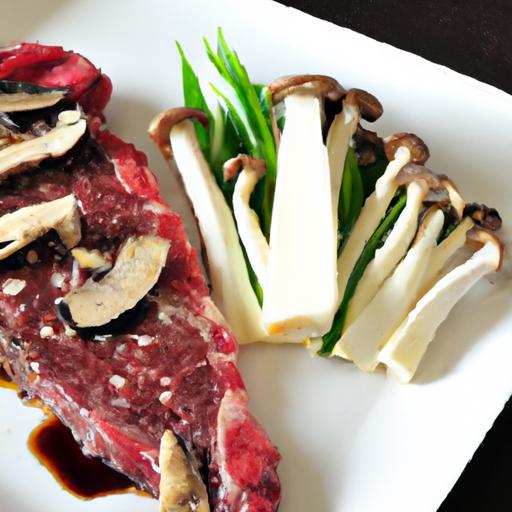

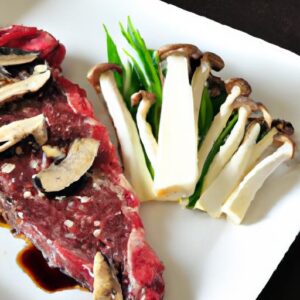
In the world of Japanese cuisine, few dishes captivate the senses quite like sukiyaki steak-a harmonious blend of rich flavors, tender textures, and cultural tradition. This beloved delicacy,often enjoyed during intimate gatherings and festive occasions,offers more than just a meal; it is an experience that unites the savory depth of marbled beef with the subtle sweetness of a carefully crafted broth. As we embark on a journey to savor sukiyaki steak, prepare to uncover the origins, ingredients, and rituals that elevate this Japanese delight from a simple dish to a cherished culinary masterpiece.Sukiyaki Steak
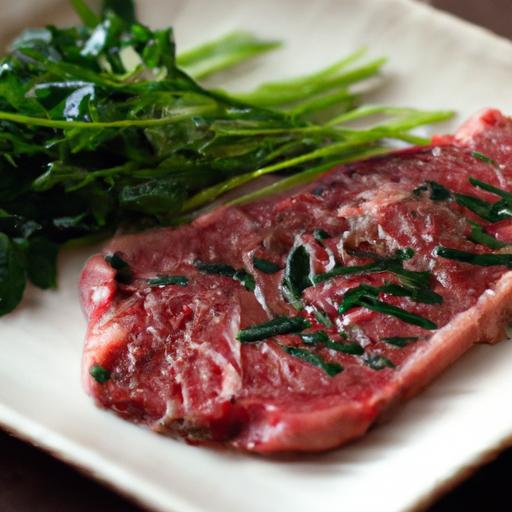
Savoring Sukiyaki Steak is an immersive journey into the heart of Japanese culinary tradition where tender, thinly sliced beef meets a harmonious blend of sweet and savory flavors. Originating as a winter delicacy in Japan, sukiyaki quickly became a beloved comfort food cherished in households and restaurants alike. This dish captures more than just taste-it reflects a cultural gathering, where families and friends share warmth around a communal hot pot. Drawing inspiration from this, the Sukiyaki Steak adaptation elevates the experience by focusing on perfectly marinated beef, bringing uncomplicated elegance to your plate while preserving authentic depth.Sukiyaki Steak
Prep and Cook Time
Readiness: 20 minutes | Marinating: 1-2 hours | Cooking: 10 minutes
Yield
Serves 4 people generously
difficulty Level
Medium – Perfect for home cooks ready to master Japanese-inspired marination and pan-searing techniques
Essential Ingredients
- 1 lb (450g) thinly sliced ribeye or sirloin steak – Choose well-marbled beef for ultimate tenderness
- 1/2 cup soy sauce (preferably Japanese tamari for richer umami)
- 1/4 cup mirin (Japanese sweet rice wine)
- 2 tbsp sake (Japanese rice wine)
- 2 tbsp granulated sugar (adjust to taste for sweet balance)
- 1 tbsp finely grated fresh ginger
- 2 cloves garlic, minced
- 2 tsp toasted sesame oil
- 4 green onions, thinly sliced (for garnish and freshness)
- Vegetable oil for cooking
- Optional: sesame seeds and shichimi togarashi (Japanese seven-spice blend) for garnish
Instructions: mastering the Art of Perfectly Marinated Sukiyaki Beef
- Combine the marinade: In a medium bowl, whisk together soy sauce, mirin, sake, sugar, grated ginger, minced garlic, and toasted sesame oil until sugar dissolves wholly.This balance of sweet and savory is the heart of the sukiyaki flavor profile.
- Marinate the beef: Place the thinly sliced ribeye into the marinade, making sure every piece is well-coated. Cover and marinate in the refrigerator for 1 to 2 hours to infuse the flavors deeply without overpowering the delicate beef.Sukiyaki Steak
- prepare your pan: Heat a large skillet over medium-high heat. Add a small amount of vegetable oil just to lightly coat the bottom-too much oil will dilute the marinade’s intense flavors.Sukiyaki Steak
- Sear the beef: Remove beef from the marinade, letting excess drip off gently. Working in batches if necessary, place slices onto the skillet in a single layer. Sauté until just browned and caramelized at the edges, about 1-2 minutes per side. avoid overcrowding to achieve a gorgeous sear.Sukiyaki Steak
- Reduce the marinade: pour the remaining marinade into a small saucepan,bring to a gentle boil,and simmer until it thickens slightly (around 3-4 minutes),creating a luscious glaze.Sukiyaki Steak
- Combine and finish: Return the seared beef to the skillet along with the thickened sauce. Toss gently to coat, heating through for another minute.This step seals in the flavor with a glossy sheen.
- Garnish and serve: Transfer the beef to a warm serving plate. Sprinkle freshly sliced green onions, sesame seeds, and a pinch of shichimi togarashi if using, for a fragrant and visually captivating finish.
Chef’s Notes: Tips for Success
- For ultimate tenderness, slice the beef while slightly frozen to achieve uniform thinness.
- If you prefer a smokier twist, briefly char the beef over a grill pan after sautéing.
- Mirin can be substituted with a mixture of white wine and sugar if unavailable, but authentic mirin elevates the umami profile.
- Marinate your beef up to 4 hours for more pronounced flavor, but avoid longer times to prevent mushiness.Sukiyaki Steak
- Make-ahead tip: Marinate and store beef covered in the fridge up to 12 hours.Bring to room temperature before cooking for even searing.Sukiyaki Steak
Serving Suggestions for an Authentic experience
To fully embrace the spirit of Savoring Sukiyaki Steak, pair your dish with these complementary sides and sauces:
- Steamed Japanese short-grain rice: The perfect canvas to soak up succulent glaze drippings.
- Lightly blanched spinach or shungiku (chrysanthemum greens): Their fresh, slightly bitter notes balance the rich beef.
- Soft poached egg (onsen tamago): A quintessential sukiyaki accompaniment-dip or drizzle your beef for dreamy texture and flavor.
- Ponzu or citrus-soy dipping sauce: Adds refreshing acidity.
- Pickled daikon or cucumber: Brightens the palate between bites.Sukiyaki Steak

| Nutrient | Per Serving |
|---|---|
| Calories | 350 kcal |
| Protein | 30g |
| carbohydrates | 12g |
| Fat | 18g |
Discover more about Japanese cuisine and techniques by visiting our Ultimate Guide to Japanese Cooking. For deeper cultural context and authentic ingredient sourcing, the Japan Guide’s sukiyaki overview is a fantastic resource.
Q&A
Q&A: Savoring Sukiyaki Steak – A Japanese Delight Unveiled
Q1: What exactly is Sukiyaki Steak?
A1: Sukiyaki Steak is a luscious Japanese dish that artfully combines thinly sliced, tender beef with a savory-sweet broth. Unlike a customary steak, the beef is cooked briefly in a pot alongside fresh vegetables, tofu, and shirataki noodles, then dipped in raw beaten egg before savoring-creating a harmonious marriage of flavors and textures.Q2: How does Sukiyaki differ from other Japanese beef dishes like Shabu-Shabu or Yakiniku?
A2: While Sukiyaki involves simmering beef in a gently sweetened soy-based broth, Shabu-Shabu is more about rapid swishing of thin meat slices in hot water or broth, then dipping in sauces. Yakiniku, on the other hand, is Japanese barbecue-grilling bite-sized pieces over an open flame. Sukiyaki’s unique sweetness and communal simmering set it apart.Sukiyaki Steak
Q3: What makes Sukiyaki Steak so special to Japanese culture?
A3: More than a meal, Sukiyaki embodies communal warmth-a dish traditionally enjoyed during cold seasons and celebrations. Its preparation fosters togetherness, with diners cooking and sharing from the same pot. This ritual makes it a symbol of harmony, comfort, and seasonal joy in Japanese homes.
Q4: Can you describe the flavor profile of Sukiyaki Steak?
A4: Imagine the rich umami of premium beef soaking up a delicate but vibrant broth of soy sauce, sugar, sake, and mirin. This sweet and salty blend laces every bite, balanced by fresh vegetables and silken tofu. The raw egg dip adds a smooth,creamy layer that cools and enriches the palate.Sukiyaki Steak
Q5: Is Sukiyaki Steak arduous to prepare at home?
A5: Not at all! While the dish may seem intricate, its essence lies in quality ingredients and mindful cooking. Setting up a shallow pot with the broth, arranging fresh vegetables, and thinly slicing beef are the main steps. The interactive nature of cooking at the table makes it a fun and rewarding experience, even for beginners.Sukiyaki Steak
Q6: What cuts of beef are ideal for sukiyaki Steak?
A6: Thin, marbled cuts like ribeye or sirloin are prized for Sukiyaki. The marbling melts into the broth,enriching its flavor,while thin slicing ensures quick,tender cooking. In Japan, Wagyu beef is frequently enough the star, but any good-quality, well-marbled beef works beautifully.Sukiyaki Steak
Q7: Are ther any regional variations of Sukiyaki in Japan?
A7: Absolutely! The Kansai (western Japan) version cooks beef first, then adds the broth, while the Kanto (eastern Japan) style starts by simmering the broth before adding the meat. Each approach subtly shifts the flavor and texture, reflecting local tastes and traditions.Sukiyaki Steak
Q8: how can someone outside Japan best enjoy Sukiyaki Steak?
A8: Whether at a Japanese restaurant with a dedicated Sukiyaki course or by gathering friends for a home-cooked feast, the secret is to embrace the communal spirit. Invest in fresh ingredients, follow a trusted recipe, and savor the process as much as the sumptuous result. The joy lies in sharing the warmth and flavors of this beloved Japanese classic.
Q9: Are there vegetarian versions of Sukiyaki?
A9: Yes! While beef is central to authentic Sukiyaki, vegetable-forward variants swap meat for mushrooms, tofu, and konnyaku noodles, retaining that iconic sweet-savory broth. Tho the taste differs, the essence-comfort, richness, and togetherness-remains intact.
Q10: What beverages pair well with Sukiyaki Steak?
A10: Light, crisp drinks complement Sukiyaki’s depth beautifully. Think chilled sake,green tea,or even a dry white wine. These help cleanse the palate and enhance the savory-sweet symphony of the dish.Sukiyaki Steak
Unlocking the secret layers of Sukiyaki Steak reveals more than just a meal-it’s a flavorful doorway into Japanese hospitality,tradition,and culinary artistry. Ready your chopsticks, gather loved ones, and dive into this unforgettable dining adventure!
Final Thoughts
As the final morsel of sukiyaki steak melts away, what lingers is more than just a rich, savory taste-it’s the essence of a timeless Japanese tradition brought to your table. This harmonious blend of tender beef, delicate broth, and subtle sweetness invites not only your palate but also your curiosity to explore deeper into Japan’s culinary heritage. Whether enjoyed in the heart of Tokyo or recreated in your own kitchen, sukiyaki steak offers a delicious doorway to savoring culture one sumptuous bite at a time. So next time you seek a meal that tells a story, remember this iconic dish-where flavor and tradition converge in every evocative slice.Sukiyaki Steak