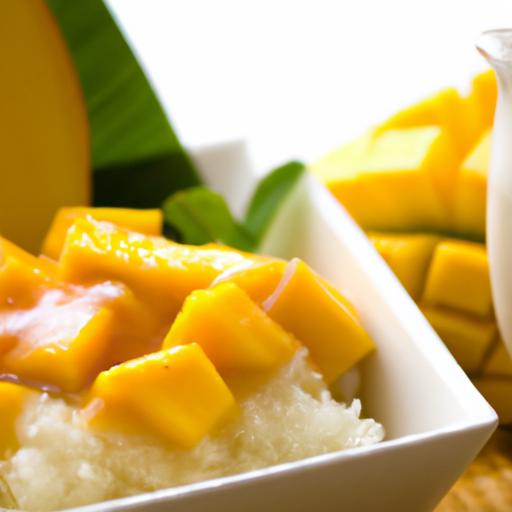

In the vibrant tapestry of Southeast Asian cuisine, few desserts capture the heart quite like mango sticky rice. This beloved treat, a harmonious blend of luscious, sun-ripened mangoes and rich, creamy coconut-infused sticky rice, is more than just a dish-its a sensory journey that weaves together tradition, culture, and the simple joys of seasonal sweetness. “Sweet Harmony: Exploring the Magic of Mango Sticky Rice” invites you to delve into the origins, preparation, and cultural importance of this iconic dessert, uncovering the enchanting balance of flavors and textures that have made it a timeless favorite across the world. Whether you’re a devoted foodie or a curious newcomer, prepare to savor the story behind every bite of this tropical delight.Sweet Harmony
Sweet Harmony: Exploring the Magic of Mango Sticky Rice
Sweet Harmony: Exploring the Magic of Mango Sticky Rice invites you into a world where the delicate balance of silky coconut-infused sticky rice meets the vibrant sweetness of ripe mangoes. This iconic thai dessert is more than just a dish; it’s a celebration of cultural heritage, sensory delight, and the joyous simplicity found in perfectly harmonized flavors and textures.
The Origins and Cultural Significance of Mango Sticky Rice
Tracing back to the fertile landscapes of Southeast Asia, this beloved treat is deeply rooted in Thai and Lao traditions. Mango sticky rice, or “khao niao mamuang,” has long been a cherished seasonal delicacy enjoyed during the summer months when the mango harvest peaks. This dessert symbolizes abundance and good fortune,often featured in festivals and family gatherings. Its combination of naturally sweet mango with creamy coconut rice reflects a culinary philosophy that values balance between sweet, salty, and creamy-a hallmark of Thai cuisine.Sweet Harmony
Growing up in a household where this dessert was a summer staple, I recall the vibrant aromas of steaming rice and coconut milk filling the kitchen, promising a delightful reward at the end of the meal. Each serving tells a story of tradition, community, and the timeless magic that happens when simple ingredients are transformed with care.
Mastering the Perfect Sticky rice Texture for Authentic Flavor
Achieving the ideal sticky rice texture is essential to elevate the authentic flavor and mouthfeel of this dish. Use glutinous or sticky rice,sometimes called sweet rice,which is distinct from regular jasmine rice. The grains should be slightly chewy, tender, and clinging softly to each other without being mushy or dry.Sweet Harmony
For perfect sticky rice, soak 1 cup of glutinous rice overnight or for at least 4 hours to hydrate the grains thoroughly. Traditionally, the rice is steamed rather than boiled to preserve its glossy, chewy texture. If you don’t have a bamboo steamer, a fine mesh sieve over a pot of simmering water works well. This gentle cooking method locks in moisture and prevents the rice from becoming soggy.Sweet Harmony
Selecting the Ideal Mango Varieties to Elevate Your Dessert
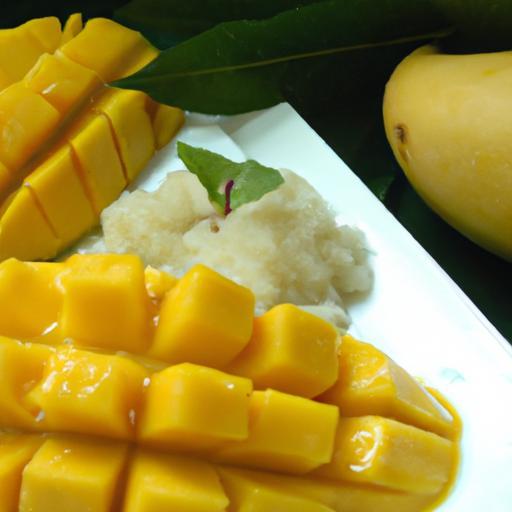
The mango you choose dramatically impacts the dish’s flavor profile and visual appeal. The king of mangoes for this dessert is the Nam Dok Mai-elongated, golden-yellow, and exquisitely sweet with floral notes. Alternatively,Ataulfo or Honey mangoes also work splendidly with their buttery texture and vibrant orange flesh.Sweet Harmony
Look for mangoes that are ripe yet firm-overly soft fruit will loose structure when sliced. The ideal mango has a fragrant aroma and gives slightly to gentle pressure. Slicing into perfect fan or wedge shapes adds elegance and helps create contrast with the creamy rice.Sweet Harmony
Tips and Tricks for Crafting a Luscious Coconut Sauce
The rich coconut sauce is the soul of mango sticky rice, infusing every bite with its creamy sweetness and subtle saltiness. Use a good-quality full-fat coconut milk-not the watery canned kind-to ensure depth and richness. Combine it with palm sugar or brown sugar for caramel undertones and a pinch of salt to balance the sweetness.
Simmer the sauce gently, stirring constantly to prevent scorching, until it thickens slightly into a velvety consistency that clings lovingly to the rice. Drizzling plenty of this luscious sauce over the sitting rice and mango awakens all the senses, turning a simple dessert into an indulgent experiance.
Prep and Cook Time
- Preparation: 10 minutes (plus 4+ hours soaking)
- Cooking: 25 minutes
- Total: 35 minutes (plus soaking time)
Yield
Serves 4 generous portions
Difficulty Level
Medium – Requires soaking and steaming but well within reach of home cooks aiming for authenticity
Ingredients
- 1 cup glutinous (sticky) rice, soaked overnight or for at least 4 hours
- 1 1/4 cups full-fat coconut milk
- 1/2 cup palm sugar (or light brown sugar)
- 1/4 teaspoon salt
- 2 large ripe mangoes (Nam Dok Mai or Ataulfo preferred), peeled and sliced
- 1 tablespoon toasted white sesame seeds, for garnish
- Optional: few pandan leaves for infusion during rice steaming
Instructions
- Drain the soaked sticky rice and rinse under cold water until the water runs clear to remove excess starch.
- Prepare your steamer: Line the steamer basket with cheesecloth or a clean kitchen towel. Optionally, add pandan leaves underneath rice for subtle fragrance.
- Steam the rice over boiling water for 20-25 minutes, fluffing gently halfway through to ensure even cooking. The rice should be tender but intact and sticky.
- While rice steams, prepare the coconut sauce. In a saucepan, combine coconut milk, palm sugar, and salt over medium heat. Stir constantly until sugar dissolves and the mixture is warm but not boiling. Remove 1/3 cup of this sauce and set aside for serving.
- Once rice is cooked,transfer to a mixing bowl. Pour the remaining warm coconut sauce over the rice and gently fold to coat evenly. Cover and let it absorb for 15-20 minutes; the rice will soak up the flavors and become creamy.
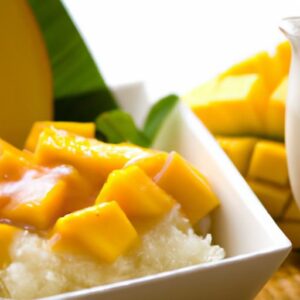
- Plate the sticky rice alongside sliced mangoes.Drizzle reserved coconut sauce over the top generously.
- Garnish with toasted sesame seeds for a nutty crunch and a sprinkle of fresh mint leaves if desired.
Tips for Success
- Soaking the Rice: Don’t skip or shorten the soaking process; it’s key to achieve tender grains that steam evenly.
- Steaming Alternatives: If you lack a steamer,use a fine mesh sieve suspended over a pot of simmering water covered tightly with foil.
- Sweetness Adjustment: Taste the coconut sauce before mixing with rice. Adjust sugar and salt to taste-balance is key.
- Make-Ahead: Sticky rice tastes best freshly made but can be kept covered at room temperature for a few hours. Reheat gently in a steamer or microwave with a sprinkle of water to restore moisture.
- mango ripeness: Avoid underripe mangoes-they lack sweetness and softness. Overripe fruit will be mushy and less photogenic.
Serving Suggestions
Serve mango sticky rice chilled or at room temperature on a wide shallow plate to showcase the glossy rice and vibrant mango slices. Garnish with toasted sesame seeds or mung beans for textural contrast.Accompany with a cup of fragrant jasmine or green tea to cleanse the palate between bites.
For a luxurious touch, add a scoop of homemade coconut ice cream or sprinkle edible gold leaf for special occasions. This dessert shines best when eaten slowly, savoring the sensory dance of sweet, creamy, fruity, and nutty all at once.

| Nutrient | Per Serving |
|---|---|
| Calories | 350 kcal |
| Protein | 3 g |
| Carbohydrates | 62 g |
| Fat | 8 g |
For more inspiration on Thai desserts and how to elevate traditional flavors, check out our Authentic Thai Desserts Collection.
learn more about the cultural importance of mango in Southeast Asian cuisine on Britannica’s Mango Overview.
Q&A
Q&A: Sweet Harmony – Exploring the Magic of Mango Sticky Rice
Q1: What is mango sticky rice, and why is it considered a magical dessert?
A1: Mango sticky rice is a beloved Southeast Asian dessert that pairs sweet, ripe mango slices with creamy, coconut-infused sticky rice. Its magic lies in the perfect balance of flavors and textures-the luscious mango’s juicy sweetness contrasts beautifully with the rich, slightly salty coconut rice, creating a harmonious dance on the palate. This simple yet enchanting combination has made it a cultural icon and a sensory delight.Q2: Where did mango sticky rice originate, and how has it evolved?
A2: This dreamy dessert hails from Thailand, where it’s known as khao niao mamuang. Traditionally enjoyed during mango season, it reflects the country’s agricultural bounty and culinary artistry. Over time, it has traveled across borders and inspired countless variations, sometimes incorporating other tropical fruits or toppings like toasted sesame seeds and mung beans, yet the heart of the dish remains its sweet harmony of mango and sticky rice.
Q3: What makes sticky rice special compared to regular rice in this dessert?
A3: Sticky rice, also called glutinous rice, has a unique, chewy texture that sets it apart from typical long-grain or jasmine rice. When cooked and soaked in sweetened coconut milk, it transforms into a tender, slightly sticky base that cradles the mango. This glue-like quality embodies comfort and indulgence, making every bite both grounding and luxurious.
Q4: How does coconut milk contribute to the dessert’s flavor profile?
A4: Coconut milk is the creamy dream that elevates the sticky rice from simple starch to silky richness. Its natural sweetness and subtle nuttiness infuse the rice with depth, while the splash of salt often added balances the overall flavor-enhancing both the mango’s shining fruitiness and the rice’s velvety texture.It’s the magical ingredient that turns the dish into pure bliss.
Q5: Can mango sticky rice be enjoyed year-round, or is it seasonal?
A5: Traditionally, mango sticky rice celebrates the mango harvest, so it’s most authentic and flavorful during mango season, typically in the warmer months. however, thanks to modern agriculture and global markets, mangoes and sticky rice are often available year-round in many places, making it possible to savor this exotic treat any time you crave a sweet escape.
Q6: Are there creative twists on mango sticky rice that still capture its essence?
A6: Absolutely! Chefs and home cooks alike experiment by layering mango sticky rice into parfaits, turning it into ice cream, or adding unexpected toppings like crushed peanuts, pandan jelly, or even a drizzle of palm sugar syrup. Each innovation keeps the heart of the dish intact-the interplay of creamy coconut rice and juicy mango-while inviting new adventures for the taste buds.
Q7: How can I make mango sticky rice at home and capture its authentic magic?
A7: the secret to homemade mango sticky rice lies in sourcing good-quality,glutinous rice and ripe,fragrant mangoes. soak and steam the sticky rice gently, then fold in a luscious coconut milk mixture-and don’t forget a pinch of salt to balance the sweetness. pair it with perfectly sliced mango, and for an elegant touch, sprinkle toasted mung beans or sesame seeds on top. With patience and care, you’ll unlock that sweet harmony in your own kitchen.
Final Thoughts
As the final grains of sticky rice melt into the sweetness of ripe mango, we’re reminded that some flavors transcend mere dessert-they tell stories.Mango sticky rice is more than a beloved Thai treat; it’s a harmonious blend of culture, tradition, and nature’s bounty perfectly wrapped in every luscious bite.Whether enjoyed at a bustling street market or recreated in your own kitchen, this delightful dish invites us to savor not just its taste, but the rich heritage and simple joys it embodies. So next time you indulge in this golden duo, take a moment to appreciate the magic woven into each spoonful-a true celebration of sweet harmony.