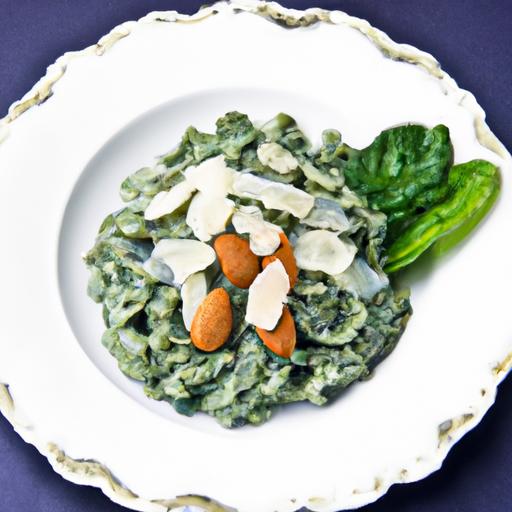


In the sun-kissed landscapes of Sicily, where the Mediterranean breeze carries whispers of ancient traditions, a culinary gem quietly awaits discovery: Trapanese pesto. Unlike its more famous Ligurian cousin, this vibrant sauce tells a story of island bounty and centuries-old ingenuity, blending ripe tomatoes, fresh basil, and the distinctive crunch of toasted almonds. Trapanese pesto with almonds is more than a simple condiment-it is a fragrant journey into the heart of Sicilian flavor, unveiling the islandS unique palate where the land’s rugged charm meets the sea’s endless embrace. Join us as we delve into the origins, ingredients, and irresistible taste of this exquisite pesto, a true testament to Sicily’s rich gastronomic heritage.Trapanese Pesto
Trapanese Pesto with Almonds brings the sun-drenched shores of Sicily straight to your kitchen, blending fragrant fresh herbs and crunchy almonds into a vibrant sauce that sings with Mediterranean character. Originating from Trapani, this luscious pesto is the island’s answer to the more famous Ligurian basil pesto, showcasing a unique combination of ingredients that impart a sweet, nutty, and herbaceous complexity ofen overlooked outside southern Italy.Trapanese Pesto
Prep and Cook Time
Readiness: 15 minutes
Cooking: 5 minutes (to toast almonds, optional)
Total Time: 20 minutes
Yield
This recipe makes approximately 1 cup of Trapanese pesto, enough to generously coat 4 servings of pasta or be used in multiple applications.
Difficulty Level
easy – perfect for home cooks eager to explore authentic Sicilian flavors with minimal fuss but maximum impact.
Ingredients
- 1 cup blanched fresh almonds
- 2 cups fresh ripe tomatoes, peeled and roughly chopped
- 2 cloves garlic, peeled
- 1 cup fresh basil leaves, packed
- 1/4 cup fresh parsley leaves
- 1/2 cup extra virgin olive oil
- 1/4 cup grated Pecorino Siciliano cheese
- Salt to taste
- Freshly ground black pepper to taste
- Optional: Pinch of red chili flakes for subtle heat
Instructions
- Toast the Almonds: Place the almonds in a dry skillet over medium heat and toast until golden brown and fragrant, about 3-5 minutes. Stir frequently to avoid burning. Transfer to a plate to cool slightly.
- Prepare the Tomatoes: Blanch the tomatoes in boiling water for 30 seconds, then immerse in ice water. Peel off skins gently, remove seeds if preferred, and roughly chop.
- Blend the Base: In a food processor, combine the toasted almonds, garlic, fresh basil, and parsley. Pulse until coarsely chopped, scraping down the sides as needed.Trapanese Pesto
- Add Tomatoes and Cheese: add the chopped tomatoes and Pecorino cheese to the processor. Pulse a few times to integrate, keeping some texture.Trapanese Pesto
- Emulsify: With the motor running, slowly drizzle in the extra virgin olive oil until the mixture forms a smooth but slightly rustic pesto. Adjust the oil quantity to achieve desired consistency.
- Season: Taste and season with salt, freshly ground black pepper, and optional red chili flakes to balance the sweetness of tomatoes and the nuttiness of almonds.
Chef’s Notes
- For a chunkier texture reminiscent of conventional Sicilian pestos, pulse sparingly and avoid over-processing.
- Substitute Pecorino with Parmigiano-Reggiano for a milder, nuttier flavor.
- This pesto can be made up to 2 days in advance; store airtight in the refrigerator and stir well before use.
- To enhance the almond flavor, soak raw almonds in warm water for 1 hour prior to toasting.
- Use a mortar and pestle for a more authentic texture and rustic feel.
Serving Suggestions
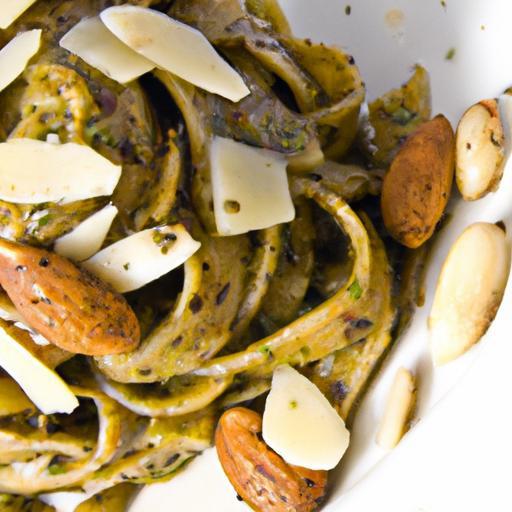
Drizzle this vibrant Trapanese pesto over freshly cooked trofie or spaghetti,tossing gently to coat every strand. It pairs beautifully with grilled fish, roasted vegetables, or even as a vibrant spread on toasted rustic bread. Garnish with shaved Pecorino, a drizzle of high-quality olive oil, and sprigs of basil for visual appeal and added freshness. For an elevated presentation,accompany with a wedge of Sicilian lemon to brighten each bite.
| Nutrient | Amount per 2 tbsp |
|---|---|
| calories | 120 kcal |
| Protein | 3 g |
| Carbohydrates | 5 g |
| Fat | 10 g |
For an in-depth look into authentic Italian pesti, don’t miss our article on Classic Genovese Pesto Recipe, a perfect companion for your Sicilian kitchen adventures. Also, explore the ancient context of Mediterranean almonds and their health benefits on the National Institutes of Health website.

Q&A
Q&A: Trapanese pesto with almonds – Sicilian Flavor unveiled
Q1: What is Trapanese pesto, and how does it differ from the classic Genovese pesto?
A: Trapanese pesto is a vibrant, sun-kissed sauce hailing from Trapani, a coastal gem in Sicily. Unlike the traditional Genovese pesto, which is basil-heavy with pine nuts, Trapanese pesto features ripe tomatoes, fragrant almonds, fresh basil, and garlic, blended to create a sauce that’s both nutty and bright. It’s a Sicilian twist that captures the island’s warmth and bounty.
Q2: Why are almonds used in Trapanese pesto instead of pine nuts?
A: Almonds are a hallmark of Sicilian cuisine due to the island’s abundant almond groves. Their slightly sweet, buttery texture adds depth and richness to the pesto, complementing the acidity of the tomatoes and the freshness of basil.Using almonds not only imparts authenticity but also enhances the sauce’s unique nutty flavor profile.
Q3: Can you describe the flavor profile of Trapanese pesto?
A: Imagine the Mediterranean wrapped in a spoonful – the sweetness of sun-ripened tomatoes mingling with the aromatic punch of garlic and basil,rounded out by the creamy crunch of almonds. It’s concurrently bright and comforting, with a rustic charm that evokes Sicilian shores and countryside.Q4: What dishes pair best with Trapanese pesto?
A: Traditionally, Trapanese pesto shines brightest tossed with fresh pasta such as busiate, a corkscrew-shaped Sicilian variety that cradles the sauce perfectly. Beyond pasta,it’s delightful as a dip for crusty bread,a topping for grilled fish,or stirred into roasted vegetables,bringing a burst of Sicilian sunshine to any plate.
Q5: Is trapanese pesto made with raw ingredients or cooked?
A: The beauty of Trapanese pesto lies in its simplicity and freshness. The ingredients – almonds, tomatoes, basil, garlic, olive oil, and a touch of Pecorino or Parmesan – are typically blended raw, preserving their vibrant flavors and creating a sauce that’s fresh, lively, and bursting with natural goodness.
Q6: How can home cooks recreate authentic Trapanese pesto?
A: Start with ripe, juicy tomatoes – fresh or peeled canned if out of season. Toast the almonds lightly to awaken their flavor, then blend them with garlic, fresh basil, olive oil, and grated cheese. Don’t overprocess; a slightly coarse texture evokes the rustic feel of the original. Taste and adjust salt and oil, and you’re ready to transport your taste buds to Sicily.Trapanese Pesto
Q7: What cultural meaning does Trapanese pesto hold in Sicily?
A: Trapanese pesto is more than just a sauce; it’s a culinary snapshot of Sicilian life, where simple, local ingredients tell stories of sea, sun, and soil. Passed down thru generations, it embodies Sicilian values of tradition, family, and a deep connection to the land’s gifts. Each spoonful is a celebration of Mediterranean heritage and the enduring spirit of Trapani.
Q8: Can Trapanese pesto be stored, and how long does it last?
A: As it’s made from fresh ingredients, Trapanese pesto is best enjoyed within a few days. Store it in an airtight container in the refrigerator, topped with a thin layer of olive oil to help preserve its vibrant colors and flavors. For longer storage, freezing in small portions works well, allowing you to savor a taste of Sicily any time.Trapanese Pesto
Concluding remarks
As the final drizzle of Trapanese pesto graces your plate, you’ve not only savored a vibrant Sicilian tradition but also unlocked a secret woven through centuries of Mediterranean bounty. With its toasted almonds and sun-kissed tomatoes, this vibrant sauce invites you to experience Sicily beyond the typical olive oil and basil-offering a taste that is both timeless and refreshingly unique. Whether stirred into pasta, spread on crusty bread, or paired with grilled seafood, Trapanese pesto is more than a condiment; it’s a celebration of culture, history, and the island’s rich flavors waiting to be shared. So, next time you seek a culinary escape, let the almond-kissed essence of Trapani transport your palate straight to the heart of Sicily.Trapanese Pesto