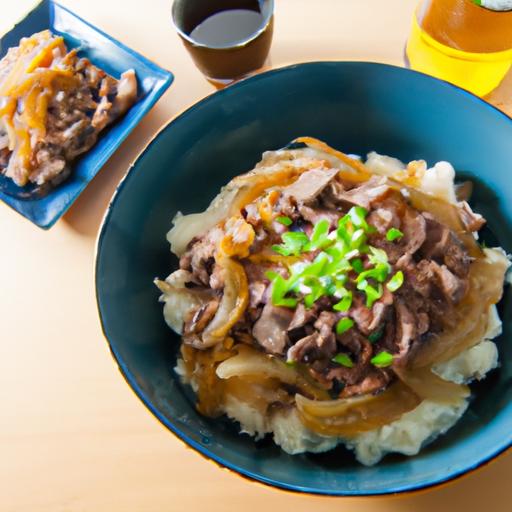

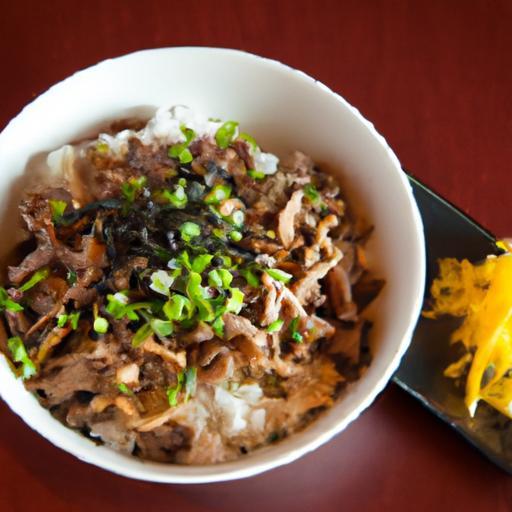
In the bustling streets of Japan, where tradition meets modern life in every corner, a humble yet irresistible dish has captured the hearts and appetites of millions: Gyudon. Frequently enough translated as “beef bowl,” Gyudon is far more than just a simple combination of thinly sliced beef, onions, and rice-it is indeed a savory symphony of flavors that tells a story of comfort, culture, and culinary artistry. This beloved staple,served steaming hot in casual eateries and convenience stores alike,offers a taste of Japan’s rich food heritage in every bite. Join us as we unveil the secrets behind Gyudon’s enduring appeal, exploring its origins, ingredients, and the unique charm that makes it an iconic Japanese delight.
Gyudon Unveiled: japan’s Savory Beef & Onion Rice Bowl Delight invites you into a comforting world where tender slices of beef meld flawlessly with sweetly simmered onions atop steaming bowls of perfectly cooked rice. this beloved Japanese staple embodies centuries of culinary tradition while offering unmatched simplicity and depth of flavor. The rich history of this dish, combined with its cultural significance, transforms every bite into a celebration of Japan’s ingenious approach to everyday meals.
Prep and Cook Time
Planning: 15 minutes
Cooking: 20 minutes
Total Time: 35 minutes
Yield
Serves 4 generous portions
Difficulty Level
Easy – Perfect for home cooks eager to master authentic Japanese comfort food
Ingredients
- 2 cups Japanese short-grain rice, rinsed and drained
- 300 grams (10.5 oz) thinly sliced beef ribeye or sirloin
- 2 medium onions, thinly sliced
- 1 cup dashi stock (homemade or instant)
- 3 tbsp soy sauce
- 2 tbsp mirin (sweet rice wine)
- 2 tbsp sake (Japanese cooking rice wine)
- 1 tsp granulated sugar
- 2 tbsp vegetable oil
- Beni shoga (pickled red ginger), for garnish
- Chopped scallions, for garnish
- Shichimi togarashi, optional, for added spice
Instructions
- Cook the rice: Rinse the Japanese short-grain rice under cold water until the water runs clear. Combine with 2 ½ cups water in a rice cooker or pot and cook according to your method. Fluff with a rice paddle once done.
- Prepare the simmer sauce: In a medium bowl, combine the dashi stock, soy sauce, mirin, sake, and sugar.Stir until the sugar dissolves wholly.
- Sauté the onions: Heat the vegetable oil in a wide pan over medium heat. Add the thinly sliced onions and sauté until translucent and slightly caramelized, about 5-7 minutes, stirring regularly.
- Add the beef: increase heat to medium-high and introduce the thinly sliced beef to the onions.Stir quickly to separate slices and cook just until the beef begins to brown but remains tender.
- Simmer the beef and onions: Pour the prepared simmer sauce over the beef and onions. Bring to a gentle boil, then reduce to low heat and simmer uncovered for 10 minutes. This melds the flavors and tenderizes the beef further. Avoid overcooking to keep the beef juicy.
- Assemble the bowls: Spoon warm rice into individual serving bowls. Generously ladle the simmered beef and onions with sauce atop the rice,ensuring a balanced distribution of both meat and fragrant broth.
- Garnish and serve: Finish with a sprinkle of chopped scallions and vibrant beni shoga (pickled red ginger). For those craving a subtle kick, add a pinch of shichimi togarashi.
Chef’s Notes & Tips for Success
- Rice choice is crucial: Use authentic Japanese short-grain rice. Its sticky, slightly sweet texture is essential to the true gyudon experience.Rice Bowl Delight
- Beef selection: Thinly slicing tender ribeye or sirloin offers the best melt-in-mouth quality. For budget-amiable versions, brisket or chuck can be used but may require shorter simmering.
- Make-ahead tip: The simmered beef and onions can be prepped a day in advance and gently reheated. Reheat with a splash of dashi or water to prevent drying out.
- Customize your toppings: Beyond beni shoga and scallions, try a soft poached egg (onsen tamago) for added richness or a sprinkle of toasted sesame seeds for subtle nuttiness.
- Controlling sweetness: Adjust the sugar and mirin based on your preference. Traditional gyudon leans lightly sweet but the balance can be personalized.
Serving Suggestions
Present this rustic but elegant dish in simple white bowls that highlight the warm colors of the golden onions and rich beef. Every spoonful should combine the fluffy, slightly sticky rice with silky slices of beef and the sweet-savory sauce. Serve alongside a small bowl of miso soup or a crisp cucumber sunomono salad to balance the meal’s richness. A cup of green tea makes a perfect, palate-cleansing companion.
| Nutrient | Per Serving |
|---|---|
| Calories | 460 kcal |
| Protein | 28 g |
| Carbohydrates | 58 g |
| Fat | 12 g |

Delve further into traditional Japanese comfort foods with our Japanese Curry Rice recipe-another hearty bowl that pairs perfectly for any meal. For more on the rich culinary history behind Japanese dishes, visit Japan Guide’s cultural cuisine section.
Q&A
Q&A: Gyudon Unveiled – Japan’s Savory Beef & Onion Rice Bowl Delight
Q1: What exactly is Gyudon?
A1: Gyudon, often dubbed the “beef bowl,” is a beloved Japanese dish featuring thinly sliced, tender beef and sweetly caramelized onions simmered in a savory-sweet sauce, all served over a steaming bowl of fluffy white rice. Its comfort food at its finest, offering a perfect harmony of umami flavors in every bite.
Q2: Where did Gyudon originate?
A2: Gyudon traces its roots back to the late 19th century during Japan’s Meiji era-a time when Western influences were sweeping the country. It evolved as a fast, affordable meal for working-class urbanites, combining readily available beef with traditional Japanese seasonings for a hearty, satisfying dish.
Q3: What makes gyudon unique compared to other Japanese rice bowls?
A3: Unlike other donburi dishes that highlight seafood or egg, Gyudon centers on thinly sliced beef simmered with onions in a subtly sweet sauce made from dashi, soy sauce, mirin, and sugar. This balance of savory and sweet, paired with tender beef and aromatic rice, creates an irresistible umami-rich experience distinctive to Gyudon.
Q4: How is Gyudon traditionally prepared?
A4: The preparation begins by simmering onions until they’re soft and lightly sweetened in a broth of dashi (Japanese stock), soy sauce, and mirin (sweet rice wine). Thin beef slices are then added and cooked briefly to preserve tenderness. This beef-onion mixture is ladled generously over freshly steamed white rice, often topped with pickled ginger and a raw or soft-cooked egg for an extra layer of richness.Q5: Can Gyudon be customized?
A5: Absolutely! While the classic Gyudon recipe is beloved worldwide, variations abound. Some add shichimi (Japanese seven-spice) for a spicy kick, others incorporate mushrooms or tofu for texture. Modern interpretations may include cheese or kimchi, reflecting the dish’s evolving versatility without sacrificing its soulful roots.
Q6: why has Gyudon remained popular internationally?
A6: Gyudon’s global appeal lies in its comfort-food status and flavor profile that’s both familiar and exotic. It’s quick to prepare, budget-friendly, and satisfying, making it perfect for busy urban lifestyles. Plus, its meld of savory-sweet taste and hearty ingredients resonates universally, transcending cultural barriers.Q7: How can someone enjoy Gyudon authentically at home?
A7: Start with quality thinly sliced beef-think ribeye or sirloin-then simmer gently with onions in a balanced blend of dashi, soy sauce, mirin, and sugar. Serve over hot, fluffy Japanese short-grain rice. Don’t shy away from garnishing with beni shoga (pickled ginger), green onions, or a soft poached egg to capture that unmistakable Gyudon experience.
Q8: What beverages pair well with Gyudon?
A8: To complement Gyudon’s rich and savory flavors, light and refreshing drinks like green tea or sake work wonders. For a modern twist, try a crisp Japanese lager or a citrusy yuzu soda to cleanse the palate between bites.
Gyudon is more than just a beef-and-rice dish-it’s a cultural icon that tells a story of Japanese culinary tradition and everyday delight. whether eaten on bustling Tokyo streets or crafted in your own kitchen, Gyudon invites you to savor a warm, satisfying bowl of Japan’s savory comfort.
Wrapping Up
As the fragrant steam rises from a bowl of gyudon, so too does a deeper gratitude for this humble yet iconic Japanese dish. More than just beef and onions atop rice, gyudon tells a story of comfort, tradition, and culinary ingenuity that has delighted palates for generations. Whether enjoyed in bustling Tokyo eateries or recreated in home kitchens around the world, this savory bowl continues to embody the heart of Japan’s rich food culture. So next time hunger calls, remember-the simple gyudon offers more than a meal; it offers a delicious slice of japan’s flavorful heritage.