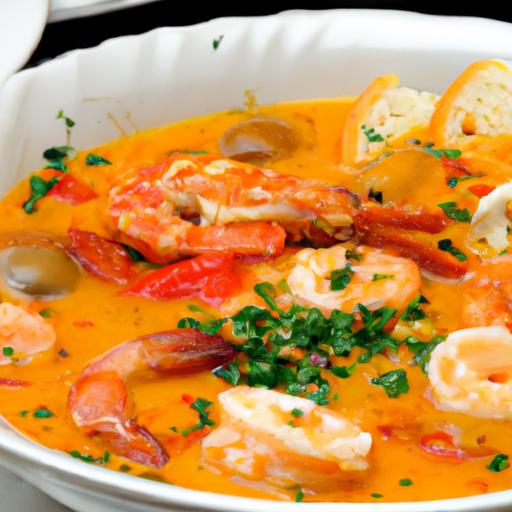

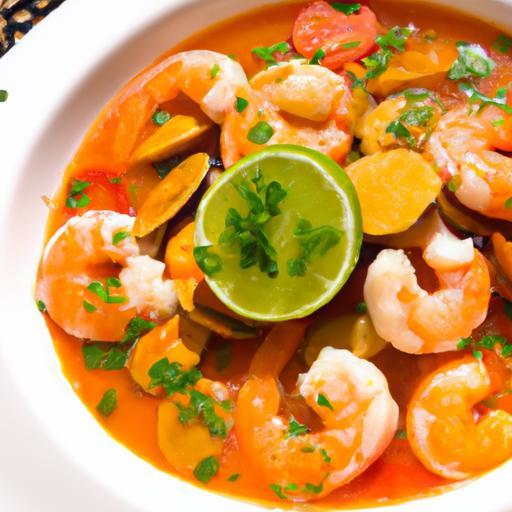
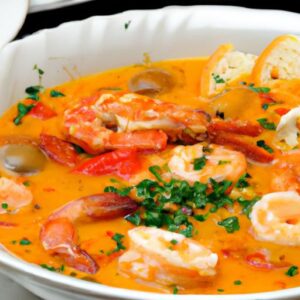
In the vibrant tapestry of Brazilian cuisine, few dishes capture the heart and history of the coast quite like moqueca.More than just a seafood stew, moqueca is a celebration of flavors that tells a story of cultural fusion, regional pride, and culinary craftsmanship. With its rich, fragrant broth simmering with fresh fish, succulent shrimp, and the distinctive touch of palm oil and coconut milk, moqueca invites diners to savor a sensory journey through Brazil’s sun-kissed shores. This article dives into the soul of moqueca,exploring its origins,regional variations,and the timeless tradition that makes this seafood stew a beloved emblem of Brazil’s coastal heritage.Brazilian Moqueca
Origins and Traditions Behind Brazil’s Beloved Moqueca
Savoring Brazilian Moqueca offers more than just a flavorful seafood stew-it invites you to experience a rich cultural tapestry woven through centuries of coastal tradition. This beloved dish hails primarily from Brazil’s Bahia and Espírito Santo states, each boasting unique twists that celebrate indigenous ingredients and Afro-Brazilian culinary heritage. Moqueca’s roots reach deep into native fishing communities, where fresh fish, coconuts, and palm oil united in a slow-cooked pot to create an unforgettable umami-laden feast. Whether it’s the vibrant, coconut-infused Moqueca Baiana or the lighter, dendê oil-free Moqueca Capixaba, mastering this dish connects you to a soulful story of resilience and celebration by the sea.
Essential Ingredients That Define Authentic Flavors
At the heart of Savoring Brazilian Moqueca lies the harmonious blend of aromatic produce and fresh seafood, each ingredient playing a vital role.Key to authenticity is fresh white fish such as snapper or sea bass, complemented by succulent shrimp or crab. The vibrant stew base features coconut milk, lending a creamy sweetness that balances the earthy, fruity notes of palm oil (dendê oil), especially crucial in Bahian versions. Bright cilantro, roasted red bell peppers, and ripe tomatoes work together with sharp onions and pungent garlic to create layers of flavor. Don’t forget the gentle heat of fresh malagueta peppers-their subtle fire awakens the palette without overwhelming it.Brazilian Moqueca
Mastering the Art of Slow Cooking for Perfect Texture
True mastery of Savoring Brazilian Moqueca comes through patient, gentle cooking. The magic lies in allowing each component’s essence to meld while the seafood tenderly poaches in aromatic broth. start by sautéing the aromatics until translucent and fragrant, then slowly simmer in coconut milk combined with fresh broth or water. Low heat helps the fish hold its shape and absorb the stew’s complex flavors without becoming tough. Cooking time varies but usually hovers around 25 to 30 minutes. This careful simmering ensures the perfect silkiness of fish and shrimp, with just enough body in the liquid to coat each spoonful with tropical warmth.Rushing this step risks a brittle, flavorless stew-so savor each moment as the dish transforms.Brazilian Moqueca
pairing Moqueca with Regional Sides and Tropical Wines
The best Savoring Brazilian Moqueca experience extends beyond the pot. Traditionally, white rice is an essential bed for soaking up the stew’s luscious sauce. For a more regional touch,serve alongside farofa-toasted cassava flour infused with garlic and herbs-adding a crunchy counterpoint. Another beloved accompaniment is pirao,a creamy manioc porridge,which beautifully complements the seafood’s richness. When it comes to beverages, tropical white wines such as a crisp Vinho Verde from Portugal or citrus-driven Brazilian whites like Sauvignon Blanc bring refreshing acidity that brightens the dish’s creamy layers. Alternatively,a chilled cachaça-based caipirinha cocktail highlights the meal’s Brazilian soul with a zesty kick.These thoughtful pairings elevate each bite and sip into a vibrant celebration of Brazil’s coast.Brazilian Moqueca
Prep and Cook Time
- Readiness: 20 minutes
- Cooking: 35 minutes
- Total Time: 55 minutes
Yield
- Serves 4 generous portions
Difficulty Level
- Medium – requires attention to layering flavors and slow simmering
Ingredients
- 1½ lbs firm white fish fillets (snapper, sea bass, or similar), cut into large chunks
- 12 medium shrimp, peeled and deveined
- 2 tbsp dendê oil (palm oil) (for Bahian style) or substitute with olive oil for Capixaba version
- 1 large onion, thinly sliced
- 4 cloves garlic, minced
- 2 ripe tomatoes, chopped
- 1 red bell pepper, sliced into strips
- 1 cup coconut milk, full fat
- 1 fresh malagueta chili, finely chopped (adjust to taste)
- 2 tbsp fresh cilantro, chopped
- Juice of 1 lime
- Salt and black pepper, to taste
- 2 tbsp olive oil (for sautéing aromatics if not using palm oil)
Instructions
- Prepare aromatics: In a large clay pot or heavy-bottomed pan, heat dendê oil (or olive oil) over medium heat.Add sliced onions and minced garlic, sauté until soft and translucent, about 5 minutes.Stir frequently to prevent burning.Brazilian Moqueca
- Add fresh vegetables: Incorporate the chopped tomatoes and red bell pepper strips. Cook until tomatoes break down and release juices,about 7 minutes.Brazilian Moqueca
- Season and deglaze: stir in the malagueta chili, salt, and black pepper. Pour in the coconut milk, mixing gently to combine flavors and deglaze any browned bits from the pan.Brazilian Moqueca
- Layer seafood: Nestle the fish chunks into the sauce first, followed by the shrimp. Cover, reduce heat to low, and simmer gently for 25-30 minutes, ensuring seafood cooks through but remains tender.
- Finish with freshness: Just before serving, squeeze in lime juice and sprinkle the chopped cilantro over the stew. Avoid stirring vigorously to keep fish fillets intact.
- Final taste check: Adjust salt, pepper, or chili level to preference. Serve hot,accompanied by steamed white rice and optional farofa for a traditional touch.Brazilian Moqueca
Chef’s Notes
- Substitutions: If dendê oil is unavailable, blend extra virgin olive oil with a splash of annatto oil for color and mild earthiness.
- Seafood variations: Experiment with crab claws, mussels, or firm scallops for added texture diversity, adapting cooking times accordingly.
- Make-ahead tip: Prepare the stew base a day prior to let flavors deepen. Add seafood only when reheating to maintain freshness.Brazilian Moqueca
- Slow simmer caution: Keep heat low to prevent curdling of coconut milk and protect delicate seafood.
Serving Suggestions
Present Savoring Brazilian Moqueca with a generous mound of fluffy white rice to capture its luscious juice. Garnish with extra cilantro sprigs and thin lime wedges for vibrant notes. A crunchy farofa sprinkled on top can introduce a delightful textural contrast. Complete the plate with a chilled glass of tropical white wine or a zesty caipirinha to refresh the palate and enhance the meal’s festive spirit.Brazilian Moqueca
| Nutrient | Per Serving |
|---|---|
| Calories | 320 kcal |
| Protein | 35 g |
| Carbohydrates | 8 g |
| Fat | 16 g |

For those interested in exploring more about the Afro-Brazilian culture behind moqueca, visit Britannica’s detailed entry on Moqueca. Also, check our guide to Brazilian cuisines for recipes that celebrate the nation’s diverse flavors.
Q&A
Q&A: Savoring Brazilian moqueca – The Soul of Seafood Stew
Q1: What exactly is Moqueca, and why is it considered the soul of Brazilian seafood cuisine?
A1: Moqueca is a vibrant, aromatic seafood stew that hails from Brazil’s coastal regions, combining fresh fish or shellfish with a luscious blend of tomatoes, onions, garlic, and bell peppers, all simmered in coconut milk and dendê oil (red palm oil).This dish is more than just a meal; it’s a cultural celebration served in a clay pot, embodying Brazil’s rich maritime heritage and Afro-Brazilian influences. It tastes like the ocean wrapped in warmth, an edible tapestry woven with history and heart.Brazilian Moqueca
Q2: How does Moqueca differ from other seafood stews around the world?
A2: Unlike Bouillabaisse from France or Cioppino from Italy, Brazilian Moqueca bursts with tropical flavors thanks to its unique ingredients like dendê oil and coconut milk, which impart a deeply layered richness and subtle sweetness. There’s also a magical balance between fresh herbs like cilantro and the tang of lime that sets Moqueca apart, making each spoonful a revelation of Brazil’s diverse cultural roots.Brazilian Moqueca
Q3: What are the key ingredients that make an authentic Moqueca?
A3: At its heart,Moqueca relies on fresh seafood-typically firm white fish,shrimp,or crab. The soul of the dish shines through the trio of tomatoes,onions,and bell peppers,which create a flavorful bed. Coconut milk lends creaminess, while dendê oil offers a distinctive earthy and slightly nutty note.Fresh cilantro and lime juice round off the stew with brightness and herbal zest, making the flavors dance on your palate.Brazilian Moqueca
Q4: Can Moqueca be adapted for those who don’t eat seafood?
A4: Absolutely! While seafood is traditional, the soul of Moqueca lies in its fragrant, layered sauce.For vegetarians or landlubbers, heart of palm, mushrooms, or firm tofu can soak up the stew’s rich flavors beautifully. The dish rather invites creativity, encouraging cooks to explore Brazil’s bounty beyond the sea while honoring the original’s spirit.Q5: What makes serving Moqueca in a clay pot special?
A5: Clay pots, or “panela de barro,” are not mere vessels but trusted partners in Moqueca’s creation.Their porous nature allows gentle, even heat, coaxing out depth and harmony in the stew’s flavors. Moreover, serving Moqueca in a clay pot is a cultural homage, echoing traditional cooking methods passed down through generations. It’s a sensory experience: the earthen warmth of the pot complements the vibrant stew, inviting diners to savor both flavor and history.Brazilian Moqueca
Q6: How should one best enjoy Moqueca for a truly authentic experience?
A6: To relish Moqueca authentically, gather around the clay pot with loved ones, accompanied by fluffy white rice and farofa (toasted manioc flour). Use a rustic spoon to scoop the hearty stew over rice, allowing each bite to balance richness, acidity, and herbal freshness. Sip on a refreshing caipirinha or a chilled Brazilian beer to complement the meal’s tropical zest.Eating Moqueca is more than feeding the body-it’s nurturing the soul.
Q7: Where in Brazil does Moqueca originate, and do different regions have their own versions?
A7: Moqueca proudly hails from two main Brazilian regions: Bahia and Espírito Santo.Bahian Moqueca is rich with dendê oil and coconut milk, celebrating Afro-Brazilian heritage, while the Espírito Santo version is lighter, using olive oil and often annatto seeds for color. Both versions sing their own melodic tales, demonstrating brazil’s regional diversity and unified love for this soulful stew.Brazilian Moqueca
Q8: Can Moqueca be prepared ahead of time, or is it best enjoyed fresh?
A8: While Moqueca is at its freshest when served immediately, its flavors actually blossom deeper after a few hours as the ingredients mingle. For best results, prepare the stew a day ahead, refrigerate, then gently reheat before serving. Just be mindful not to overcook the seafood during reheating to preserve its tender texture. Like a good story, Moqueca’s flavors develop with a little patience.Q9: What occasions or seasons is Moqueca best suited for?
A9: Moqueca’s warm, tropical embrace suits festive gatherings, family reunions, and celebrations by the sea. Its bright yet hearty nature also makes it a perfect dish for Brazil’s sun-soaked summer days and cozy coastal nights.Brazilian Moqueca Whether it’s a leisurely Sunday lunch or a special occasion, Moqueca invites conviviality and shared joy.
Q10: How can someone new to Brazilian cuisine start exploring Moqueca at home?
A10: Start by sourcing fresh, firm seafood and investing in authentic ingredients like dendê oil and good coconut milk. Follow a classic recipe, but don’t hesitate to add your own flair with herbs or spice adjustments. Cooking Moqueca is as much about connecting with culture as it is about flavor, so turn up the music, invite friends, and celebrate the forging of new culinary memories with each simmering pot.Brazilian Moqueca
to Conclude
As the final spoonful of moqueca lingers on your palate, you’re not just tasting a seafood stew-you’re savoring centuries of Brazilian history, culture, and coastal passion. This vibrant dish, with its fragrant blend of coconut milk, dendê oil, and fresh herbs, invites you into the heart of Brazil’s culinary soul. Whether enjoyed on a sun-drenched beach or recreated in your own kitchen,moqueca is more than a meal-it’s a celebration of tradition,community,and the bounties of the sea. So next time you seek a dish that tells a story with every bite, let moqueca be your flavorful guide to the essence of Brazil’s coastal spirit.Brazilian Moqueca