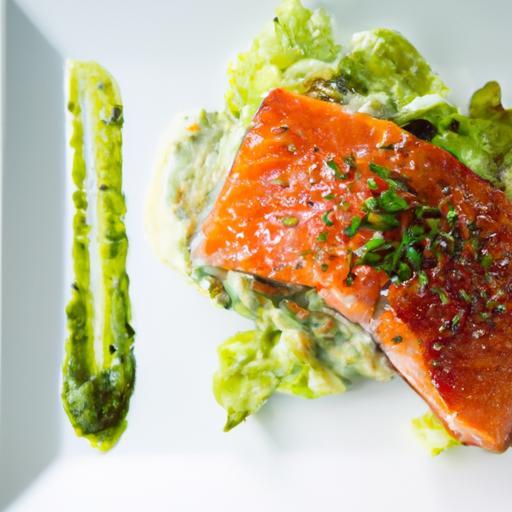


In the delicate dance of knife and rice,where every grain finds its place and each slice reveals a story,sushi transcends mere cuisine to become an art form. “Masterful Sushi Artistry: The Craft Behind Every Roll” invites you to explore the intricate world behind the pristine presentation on your plate. beyond the flavors lies a tradition honed over centuries-an exquisite blend of precision, patience, and passion. Join us as we unravel the dedication, technique, and cultural reverence that transform simple ingredients into masterpieces of taste and texture, roll by roll.Sushi
Masterful Sushi Artistry unlocks the secrets behind creating exquisite rolls that marry tradition with innovation, turning humble ingredients like rice and fish into stunning culinary masterpieces. As you delve into this journey,every grain,every slice,and every seasoning plays a pivotal role in delivering that authentic umami flavor and delicate texture that sushi aficionados crave.Sushi
Prep and Cook Time
- Preparation: 30 minutes
- Cooking: 20 minutes (including rice cooking and cooling)
- Total: 50 minutes
Yield
- serves 4 (makes approximately 8 sushi rolls)
Difficulty Level
- Intermediate – ideal for aspiring sushi enthusiasts looking to refine their technique
ingredients
- 2 cups sushi rice, rinsed until water runs clear
- 2 1/2 cups water for cooking rice
- 1/3 cup rice vinegar
- 2 tbsp granulated sugar
- 1 tsp sea salt
- 200 grams sashimi-grade tuna, thinly sliced
- 200 grams sashimi-grade salmon, thinly sliced
- 4 sheets nori (dried seaweed)
- 1 small cucumber, julienned
- 1 ripe avocado, sliced thinly
- 2 tbsp toasted sesame seeds
- Soy sauce, for serving
- Wasabi and pickled ginger, for garnish
- Bamboo sushi rolling mat, wrapped in plastic wrap
Instructions
- Prepare the sushi rice: In a fine mesh sieve, rinse the sushi rice under cold water until the water runs clear to remove excess starch.Sushi Combine rice and water in a heavy saucepan with a tight-fitting lid.Bring to a boil, reduce heat to low, and simmer for 15 minutes without lifting the lid.
- Season the rice: While rice cooks, whisk rice vinegar, granulated sugar, and sea salt in a small bowl until dissolved. Once rice is done, transfer to a wooden or wide bowl.Gently fold in the vinegar mixture using a wooden paddle or spatula, fanning the rice simultaneously to cool it quickly and give it a shiny finish.
- Prepare fillings: Thinly slice the sashimi-grade tuna and salmon for clean, effortless rolls. julienne cucumber and slice avocado just before assembly to preserve freshness and prevent browning.Sushi
- Set up your rolling station: Place a nori sheet shiny side down on the bamboo mat. With wet hands (to prevent sticking),spread an even layer of sushi rice over the nori,leaving a 1-inch margin at the top edge.
- Add fillings: Position slices of fish and fresh vegetables in a horizontal line about one-third from the bottom edge of the nori.Sushi
- Roll it up: Using the bamboo mat, lift the edge closest to you and gently but firmly roll the sushi away from you, applying slight pressure to shape it into a tight cylinder. Seal the edge with a little water.
- Cut and serve: Using a sharp, wet knife, slice the roll into 6-8 pieces, wiping the blade clean between cuts for smooth edges.
- Garnish and enjoy: Sprinkle toasted sesame seeds over the rolls and serve with soy sauce,wasabi,and pickled ginger for a balanced,flavorful experience.
Tips for Success
- For optimal texture, cool the sushi rice to room temperature before assembling; warm rice will tear the nori and dilute flavors.
- Always slice fish with a single, precise motion to maintain its integrity and avoid ragged edges.Sushi
- use plastic wrap on your rolling mat to keep it clean and prevent rice from sticking.
- Substitute tuna with yellowtail or eel (unagi) for variations that honor tradition and add exciting textures.
- If making in advance, cover assembled sushi rolls tightly with plastic wrap and refrigerate for up to 2 hours, but avoid long storage to preserve freshness.Sushi
Serving Suggestions
Present each sushi roll on a pristine white or bamboo sushi plate to emphasize the vivid colors and textures. Garnish with small edible flowers, microgreens, or thinly sliced scallions for refined elegance. Accompany with small dipping bowls of soy sauce and a dab of wasabi for guests to tailor their flavor experience.

| Nutrient | Per Serving (2 rolls) |
|---|---|
| Calories | 320 kcal |
| Protein | 22 g |
| Carbohydrates | 38 g |
| Fat | 8 g |
For those eager to deepen their knowledge, check out our detailed guide on Perfecting Sushi Rice Techniques. Also, explore the science behind sushi rice seasoning at nigella Lawson’s sushi rice tutorial.
Q&A
Q&A: Masterful Sushi Artistry – The Craft behind Every Roll
Q1: What makes sushi more than just food?
A1: Sushi is a centuries-old culinary art form that marries tradition, precision, and creativity. Beyond mere ingredients, it’s a dance of texture, flavor, and aesthetics, where every grain of rice and slice of fish contributes to a sensory masterpiece.Sushi
Q2: How does a sushi chef’s training influence the final roll?
A2: Becoming a sushi chef demands years of rigorous apprenticeship.From perfecting knife skills to mastering rice preparation, every step is honed with discipline. This dedication ensures each roll carries the chef’s expertise, respect for ingredients, and cultural heritage.Sushi
Q3: Why is the quality of ingredients so crucial in sushi?
A3: Sushi’s essence lies in simplicity, highlighting the natural flavors of fresh fish, perfectly seasoned rice, and crisp vegetables. Exceptional ingredients are the foundation, allowing subtle nuances-like umami and texture-to shine through without being overshadowed by heavy sauces or spices.
Q4: What role does technique play in sushi artistry?
A4: Technique is the silent storyteller in sushi-making. From how the rice is washed and steamed, to the precise hand-pressing and slicing of fish, each movement affects balance and harmony. Masterful techniques elevate a roll from food to finesse.Sushi
Q5: How does presentation impact the sushi experience?
A5: Sushi is as much a feast for the eyes as it is for the palate. Meticulously arranged colors, shapes, and garnishes create visual poetry that invites you to savor not only taste but artistry. Presentation reflects the sushi chef’s respect for tradition and desire to honor the diner.Sushi
Q6: Can sushi be innovative while respecting tradition?
A6: Absolutely. True mastery lies in honoring time-tested principles while embracing creativity. Contemporary chefs experiment with new ingredients, fusion flavors, and plating styles-even as they uphold the foundational techniques that define authentic sushi artistry.
Q7: What is the significance of the sushi rice in every roll?
A7: Sushi rice, or shari, is the heart of the roll. Its precise seasoning with vinegar, sugar, and salt creates a delicate tang that balances the fish’s richness.Sushi The texture-sticky yet tender-is critical for binding the roll without overpowering it.Sushi
Through patience, passion, and precision, sushi transforms simple ingredients into edible art, proving that behind every roll lies a story of craftsmanship, culture, and creativity.
The Conclusion
As the final grain of rice settles and the vibrant slice of fish rests perfectly atop each roll, it becomes clear that sushi is far more than just a meal-it is a symphony of skill, tradition, and mindful artistry. Behind every bite lies the dedication of masterful hands, honed over years of practice, blending precision with passion to create edible masterpieces. Understanding the craft behind each roll not only deepens our appreciation for this timeless delicacy but also invites us to savor the story and skill woven into every delicious layer.Sushi In the world of sushi, artistry isn’t just seen-it’s tasted.Sushi