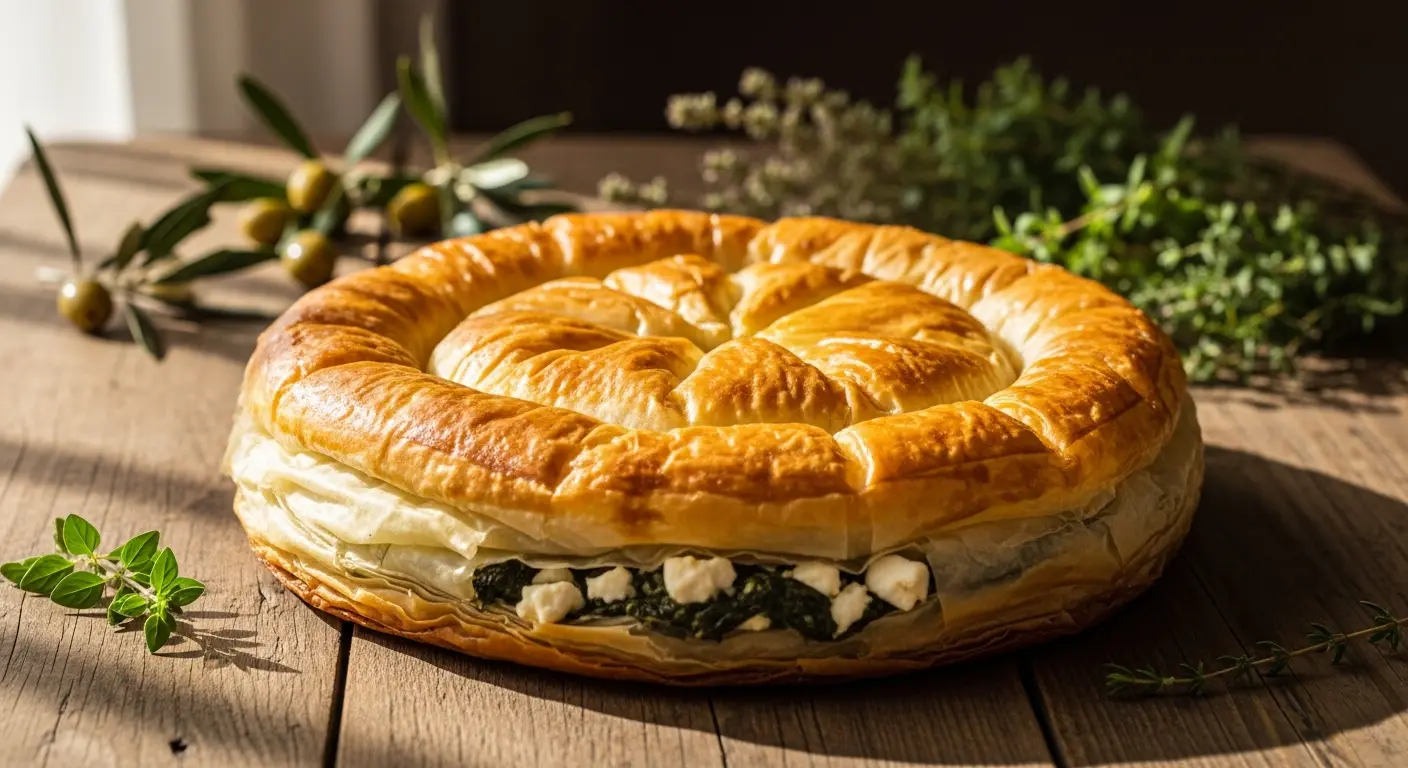

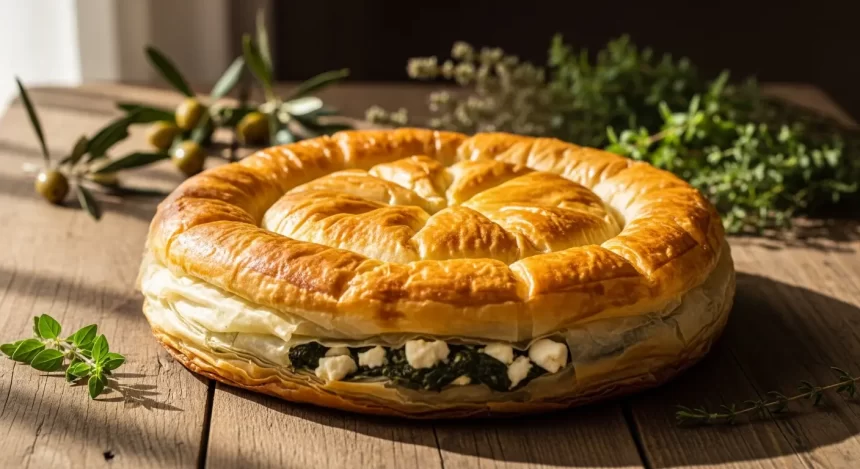
In the vibrant tapestry of Greek cuisine, few dishes capture the essence of tradition and flavor quiet like spanakopita. This beloved spinach pie, with its layers of crisp, golden phyllo dough encasing a savory blend of spinach, feta, and aromatic herbs, is more than just a meal-itS a culinary story passed down through generations. “Spanakopita Unveiled: The Art of Greek Spinach Pie Delight” invites you on a flavorful journey into the heart of Greece, exploring the rich history, cultural significance, and masterful technique behind this iconic dish. Whether you’re a seasoned food lover or a curious newcomer, prepare to discover the secrets that make spanakopita a timeless symbol of Greek hospitality and taste.
Spanakopita, a timeless cornerstone of Greek cuisine, marries vibrant spinach with creamy feta wrapped in irresistibly flaky phyllo dough. This dish’s origins trace back to ancient Greece where savory pies were enjoyed as nourishing, portable meals. Over centuries, spanakopita evolved into a beloved staple symbolizing home, heritage, and festivity in Greek households-often appearing on festive tables and family gatherings alike.
Prep and Cook Time
- Preparation: 30 minutes
- Cooking: 45 minutes
- Total: 1 hour 15 minutes
Yield
- Serves 8 generous portions
Difficulty Level
- Medium – ideal for home cooks eager to refine their pastry skills
Ingredients
- 1 lb fresh spinach, thoroughly washed and chopped
- 1 cup crumbled feta cheese
- 1 cup ricotta cheese (optional, for creamy texture)
- 3 large eggs, beaten
- 1 medium onion, finely diced
- 2 cloves garlic, minced
- 1/4 cup fresh dill, chopped
- 1/4 cup fresh parsley, chopped
- 1/2 cup olive oil, plus extra for brushing phyllo sheets
- 1 package phyllo dough (about 16 sheets), thawed
- Salt and freshly ground black pepper to taste
Instructions
- Prepare the spinach: In a large skillet, heat 2 tablespoons of olive oil over medium heat. Add the onion and sauté until translucent,about 5 minutes. Add garlic and cook for an additional minute, stirring constantly to avoid burning.
- Wilt the spinach: Add the chopped spinach in batches,cooking and stirring until wilted and moisture mostly evaporates,roughly 8-10 minutes. Remove from heat and let cool completely. Press out any excess liquid using a clean kitchen towel or fine sieve-this step is essential to prevent soggy spanakopita.
- Mix the filling: In a large bowl, gently combine the cooled spinach mixture with crumbled feta, ricotta (if using), beaten eggs, dill, parsley, salt, and pepper. Adjust seasoning to taste, remembering the feta’s saltiness.
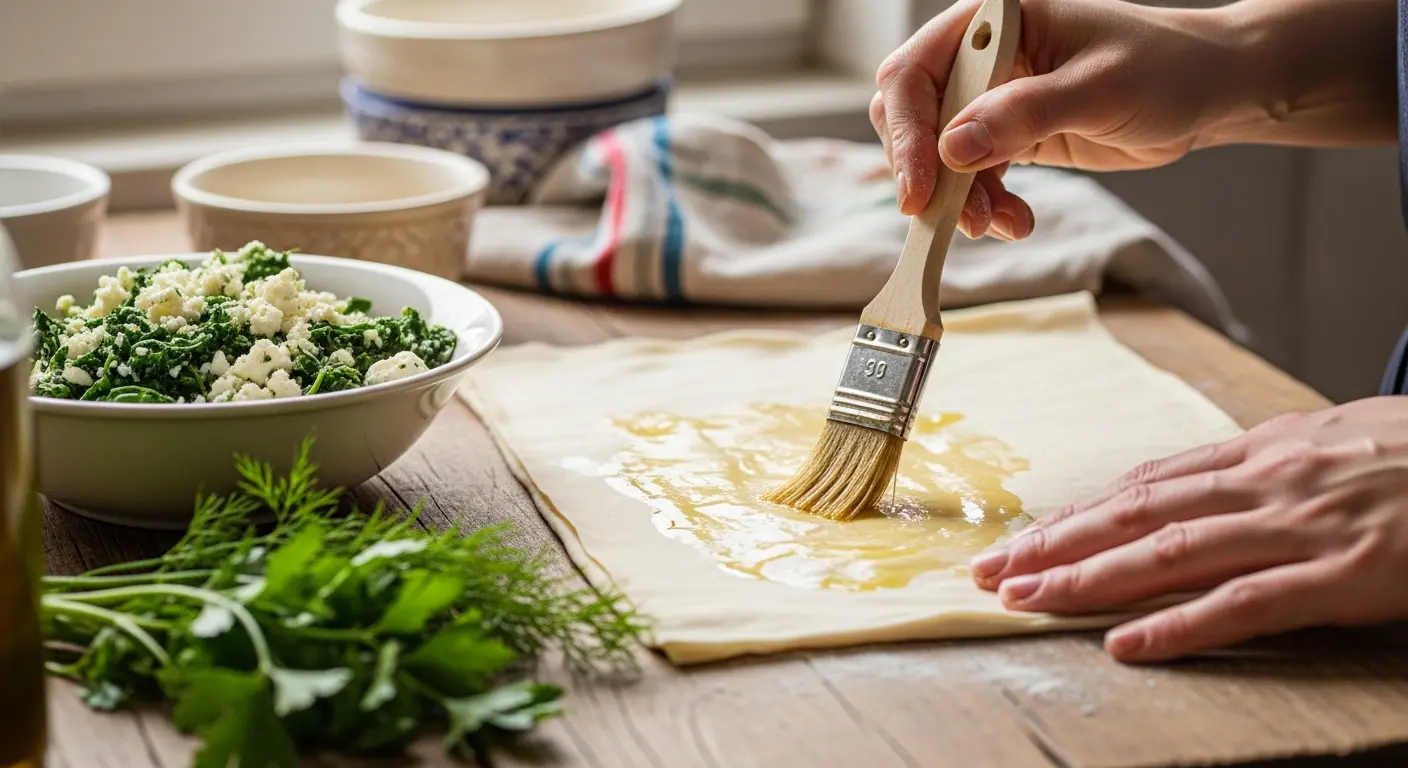
- Prepare the phyllo: Lay one sheet of phyllo dough on a clean surface and brush lightly with olive oil. Repeat layering and oiling 6 sheets, then spread the filling evenly on top.
- Top with remaining phyllo: Layer the remaining phyllo sheets over the filling in the same manner, brushing each sheet with olive oil. For extra flakiness, allow the top dough to overlap the sides slightly.
- Score the pastry: Using a sharp knife, lightly score the top layers into desired serving-sized squares or diamonds. This helps cutting after baking without disturbing the layers.
- Bake to perfection: Preheat the oven to 350°F (175°C). Place the spanakopita on a baking sheet and bake for 40-45 minutes until the phyllo is golden brown and crisp.
- Rest and serve: Allow the pie to cool for 10 minutes before slicing and serving to help the filling set beautifully.
Tips for Success
- Dry spinach thoroughly: Excess moisture will ruin the delicate phyllo’s crispness.
- Layer phyllo sheets carefully: Use a soft pastry brush to apply olive oil evenly for ultra-flaky layers.
- Customize your herbs: Try adding fresh mint or oregano for a fragrant twist.
- Make ahead: Spanakopita freezes beautifully either uncooked or baked-wrap tightly and thaw in the fridge before baking or reheating.
- Use fresh feta if possible: It provides a cleaner, brighter cheese flavor that defines authentic spanakopita.
Serving Suggestions to Elevate Your Spanakopita Experience
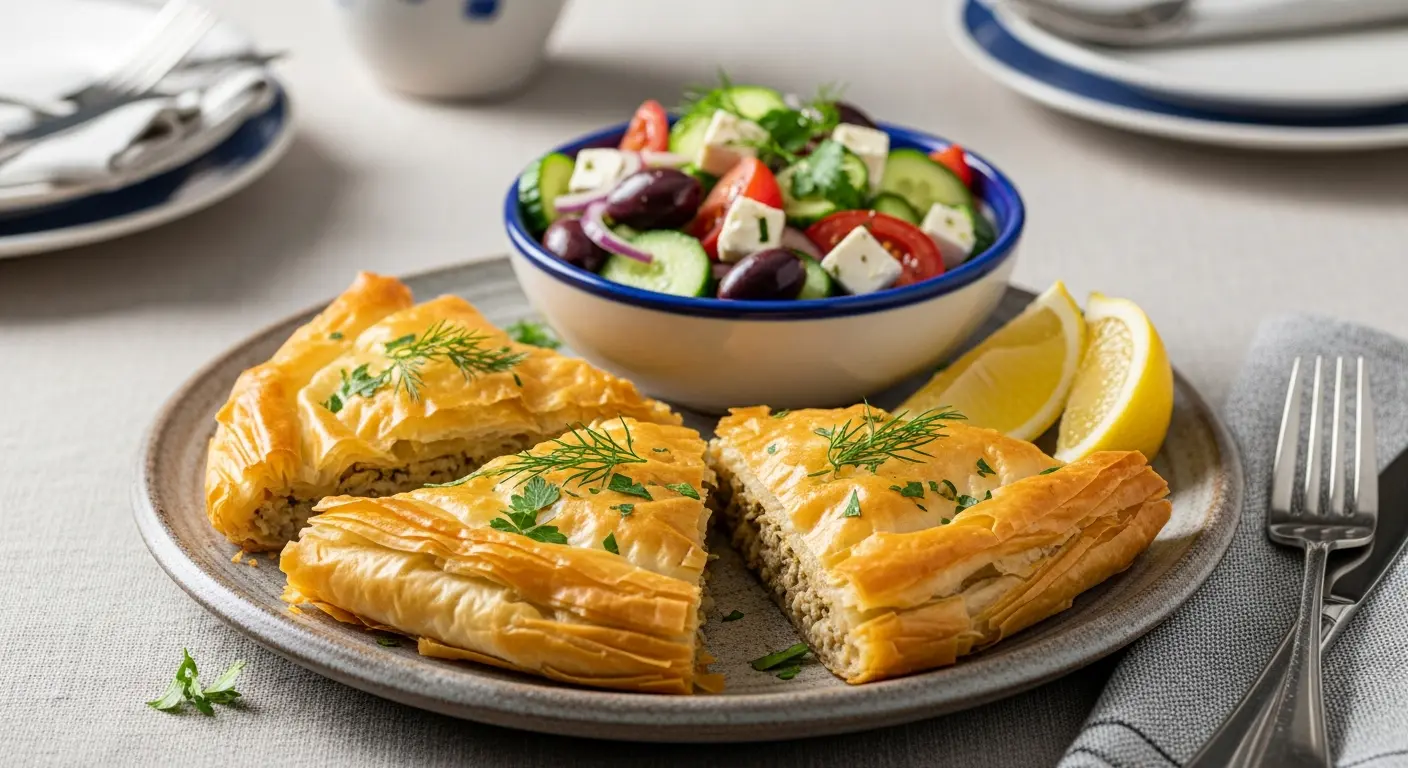
Present your spanakopita warm, cut into rustic triangular pieces, garnished with a sprinkle of chopped fresh dill or parsley for an inviting pop of color.Serve alongside a cool Greek salad garnished with kalamata olives and ripe tomatoes to balance the savory richness. A drizzle of tzatziki or a squeeze of fresh lemon juice enhances brightness and complements the pie’s complex layers.
For an elevated experience, try pairing with a chilled glass of Assyrtiko wine or a crisp white like Sauvignon Blanc, embracing the Mediterranean spirit of the dish.
| Nutrient | Per Serving |
|---|---|
| Calories | 320 kcal |
| Protein | 12 g |
| Carbohydrates | 24 g |
| Fat | 20 g |

Explore more about delicate Greek pastries like Tiropita: the Classic Greek Cheese Pie to deepen your Mediterranean baking repertoire. For a rich dive into greek food history and culture, visit Greek Gastronomy Guide.
Q&A
Q&A: Spanakopita Unveiled – The Art of Greek Spinach Pie Delight
Q1: What exactly is Spanakopita?
A: spanakopita is a beloved Greek savory pie, traditionally filled with tender spinach, creamy feta cheese, fresh herbs, and wrapped in layers of crispy, golden phyllo dough. It’s a delicious symbol of Greek culinary heritage, offering a perfect balance between flaky texture and rich, earthy flavors.
Q2: Where did Spanakopita originate?
A: This delightful pie traces its roots back to Greece, where peasants crafted humble yet tasty dishes from local, seasonal ingredients. Over centuries, Spanakopita evolved from simple village fare into a cherished national icon found in bakeries and family tables across the country.
Q3: What makes Spanakopita so special compared to othre pies?
A: Unlike many pies, Spanakopita’s magic lies in its thin, buttery phyllo layers that shatter with every bite, paired with a vibrant, savory filling of spinach and feta. The thoughtful use of herbs like dill or parsley adds a burst of freshness, making each slice a dynamic experience of texture and taste.
Q4: Can Spanakopita be made with other greens besides spinach?
A: Absolutely! While spinach is customary, many home cooks experiment with chard, kale, or even leeks. each variation subtly reshapes the pie’s flavor profile, yet the hallmark flaky phyllo and salty cheese remain constants, preserving the essence of Spanakopita.
Q5: What occasions are best for serving Spanakopita?
A: Spanakopita is wonderfully versatile – equally at home as an appetizer at festive gatherings,a light lunch paired with a greek salad,or a comforting snack on the go. Its portability and satisfying nature make it a staple at celebrations and casual moments alike.
Q6: How can one master the art of making Spanakopita at home?
A: Patience and finesse are key! Working with phyllo requires a gentle hand to prevent tearing, and brushing each layer generously with olive oil or melted butter creates that signature crispness. Combining fresh, well-drained spinach with quality feta and aromatic herbs brings the filling alive. With a little practice, the alchemy of Spanakopita is achievable in any kitchen.
Q7: Are there any modern twists on the traditional Spanakopita?
A: Certainly! Contemporary chefs experiment by adding ingredients like ricotta for creaminess, pine nuts for crunch, or sun-dried tomatoes for tang.Spanakopita Some reinvent it as individual hand pies or as a layered casserole,showcasing the adaptability of this Greek classic.Q8: What cultural significance does Spanakopita hold in Greece today?
A: Beyond its culinary delight, Spanakopita embodies Greek hospitality and tradition. It’s a dish often shared among family and friends,evoking memories of home and heritage.as Greeks worldwide recreate it, Spanakopita serves as a delicious bridge connecting generations and geographies.Q9: Where can someone outside of Greece experience authentic Spanakopita?
A: Authentic Spanakopita can often be found in Mediterranean or Greek restaurants globally, particularly in areas with vibrant Greek communities. Additionally, specialty bakeries and farmers’ markets sometimes carry freshly made pies, inviting newcomers to savor a genuine taste of Greece.Q10: Why should everyone try spanakopita at least once?
A: Because Spanakopita is more than just a pie; it’s a story of tradition, passion, and the joyful art of transforming humble ingredients into something extraordinary. Every bite offers a journey into Greek culture-flaky, flavorful, and unforgettable.
To Wrap It Up
As the golden layers of flaky filo melt away to reveal the vibrant, herbaceous heart of spanakopita, we come to appreciate that this beloved greek spinach pie is more than just a dish-it’s a culinary story steeped in tradition, artistry, and the simple joy of shared flavors. From the careful folding of each crisp pastry sheet to the harmonious blend of spinach, feta, and fresh herbs, spanakopita invites us to savor a timeless slice of Greece’s rich cultural tapestry.whether enjoyed as a snack, a meal, or a festive centerpiece, this delightful pie continues to inspire both home cooks and gourmets alike, reminding us that food is not only nourishment but also a celebration of heritage and passion. So next time you take a bite, let spanakopita transport you to sun-kissed Mediterranean kitchens, where every crumb tells a tale worth savorin