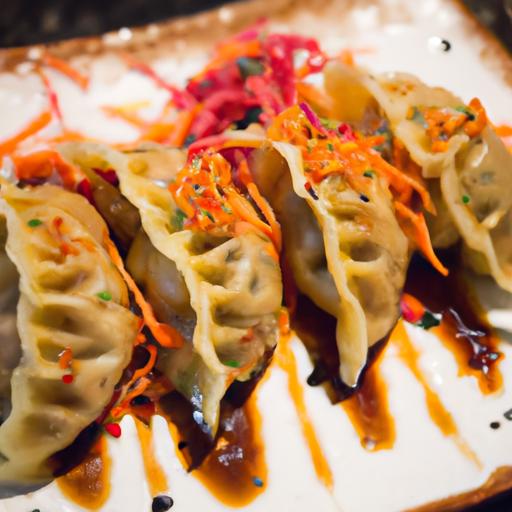

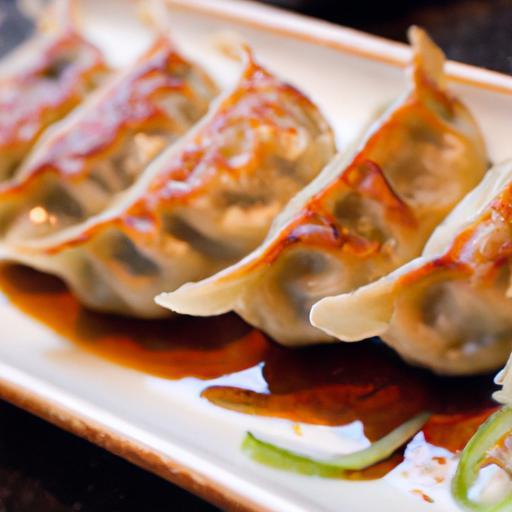
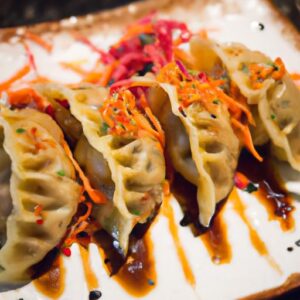
In the world of Japanese cuisine, few dishes capture the heart and palate quite like gyoza-those delicate, crescent-shaped dumplings that marry texture and flavor in every bite. Far beyond a simple appetizer, gyoza represent a harmonious blend of tradition, technique, and regional nuance, wrapped carefully in thin dough and steamed, boiled, or pan-fried to golden perfection. This article peels back the layers of gyoza’s rich history and craftsmanship,inviting you to explore the art behind their making and the vibrant flavors that make thes humble dumplings a beloved staple from bustling street stalls to elegant dining tables across Japan and beyond. join us as we unwrap the story of gyoza, where culinary skill meets cultural heritage in each savory fold.Gyoza Unwrapped
Gyoza Unwrapped: The delicate balance of crisp,juicy dumplings captures the soul of Japanese cuisine,but their origins trace back beyond Japan’s shores,evolving from humble street food to a beloved gourmet treasure. this culinary journey invites home cooks and food lovers alike to master authentic pleating techniques, explore regional filling varieties, and achieve perfect searing for dumplings bursting with flavor.Gyoza Unwrapped
Prep and Cook Time
- Readiness: 30 minutes
- Cooking: 15 minutes
- Total Time: 45 minutes
Yield
Approximately 24 gyoza (serves 4)
Difficulty Level
Medium – Perfect for adventurous cooks eager to refine technique and flavor
Ingredients
- For the dough: 2 cups all-purpose flour, sifted
- ¾ cup boiling water
- For the filling:
- 200g ground pork (or substitute ground chicken or shrimp)
- 1 cup napa cabbage, finely shredded
- 2 green onions, thinly sliced
- 2 cloves garlic, minced
- 1 tsp ginger, freshly grated
- 1 tbsp soy sauce
- 1 tbsp sesame oil
- ½ tsp salt
- ¼ tsp white pepper
- for cooking:
- 2 tbsp vegetable oil
- ½ cup water
- Dipping sauce: 3 tbsp soy sauce, 1 tbsp rice vinegar, 1 tsp chili oil (optional)
Instructions
- Prepare the dough: In a large bowl, gradually add boiling water to the sifted flour while stirring with chopsticks or a fork. When cool enough to handle, knead the mixture for about 10 minutes until smooth and elastic.Cover with a damp cloth and rest for 30 minutes.Gyoza Unwrapped
- Make the filling: Combine ground pork, napa cabbage, green onions, garlic, ginger, soy sauce, sesame oil, salt, and white pepper in a bowl. Mix thoroughly until the mixture becomes sticky-this ensures juicy, cohesive filling.Gyoza Unwrapped
- roll out wrappers: Divide rested dough into 24 equal pieces. Roll each piece into a small ball, than flatten into discs roughly 3.5 inches (9 cm) in diameter using a rolling pin. Aim for thin edges and slightly thicker center for pliability and bite.Gyoza Unwrapped
- Master the pleat: Place 1 teaspoon of filling in the center of each wrapper. Moisten the edges with water. Fold the wrapper in half, pinching the center edge. create 5 to 7 pleats on one side, pressing firmly against the flat side to seal. This traditional method locks in juices and creates the iconic gyoza crescent shape. For a visual guide, see this expert tutorial.
- Cook to perfection: Heat 1 tbsp vegetable oil in a non-stick skillet over medium heat. arrange gyoza flat side down and fry until the bottoms turn golden and crispy,about 3-4 minutes.Gyoza Unwrapped
- Steam for juiciness: Carefully add ½ cup water to the skillet, then promptly cover with a lid to trap steam. Cook for 5-6 minutes or until the water evaporates and wrappers become tender and translucent.Gyoza Unwrapped
- Finish crispiness: Remove lid, increase heat to medium-high for 1 minute to re-crisp the bottom. Serve hot with the dipping sauce.Gyoza Unwrapped
Tips for Success
- Dough texture: If dough feels too sticky, dust with flour sparingly. Resting the dough is crucial for elasticity and easier shaping.Gyoza Unwrapped
- filling variations: Try a mix of shiitake mushrooms and tofu for a vegetarian delight or add finely chopped kimchi for a spicy Korean twist.Gyoza Unwrapped
- Seal securely: Proper pleating prevents bursting and leaking. Practice on a few wrappers first if new to gyoza.Gyoza Unwrapped
- Make-ahead: Freeze uncooked gyoza on a tray, then transfer to a freezer bag. Cook from frozen,adding an extra 2 minutes to the steaming step.Gyoza Unwrapped
- Dipping sauce: Customize with freshly grated ginger, scallions, or a splash of mirin for added complexity.Gyoza Unwrapped
Serving Suggestions
Present gyoza on a rustic wooden board or sleek ceramic plate. Garnish with finely chopped scallions, toasted sesame seeds, and a side of pickled ginger.Gyoza Unwrapped Pair with a chilled glass of sake or green tea for a complete sensory experience. Accompany with steamed rice or a vibrant cucumber and sesame salad for balance.Gyoza Unwrapped

| Nutrient | Per Serving (6 pieces) |
|---|---|
| Calories | 280 kcal |
| Protein | 14 g |
| Carbohydrates | 26 g |
| fat | 12 g |
for further inspiration on dumpling dishes from East Asia, check our exploration of global dumplings. Discover rich culinary history, techniques, and innovative twists to keep your kitchen inspired.Gyoza Unwrapped
Expand your culinary wisdom on the evolution of Japanese cuisine with resources from Japan Guide, a respected authority in authentic cultural and culinary traditions.Gyoza Unwrapped
Q&A
Q&A: Gyoza Unwrapped – The Art and Flavor of Japanese Dumplings
Q1: What exactly are gyoza?
A1: gyoza are Japanese dumplings, typically filled with a savory mixture of ground meat (ofen pork), finely chopped vegetables like cabbage and garlic chives, and seasoned with soy sauce, ginger, and garlic. Encased in a thin, delicate dough wrapper, they are pan-fried for a crispy bottom and steamed to perfection-offering a delightful contrast in textures.Q2: Where did gyoza originate, and how did they become popular in Japan?
A2: Gyoza trace their roots back to Chinese jiaozi, brought to Japan by returning soldiers after World War II. Over time, the Japanese adapted the recipe, favoring thinner wrappers and a lighter filling, perfecting the art of pan-frying to create that signature golden crust. Today, gyoza are a beloved staple in izakayas and family kitchens alike.Gyoza Unwrapped
Q3: What makes Japanese gyoza different from othre dumplings around the world?
A3: Unlike some steamed or boiled dumplings elsewhere, Japanese gyoza are known for their crispy, pan-fried bottoms juxtaposed with tender, steamed tops. The filling is lighter and less oily, balancing savory notes with fresh veggies. The dipping sauce-usually a tangy mix of soy sauce, vinegar, and a touch of chili oil-enhances their complexity.Gyoza Unwrapped
Q4: Can you describe the traditional preparation and cooking method?
A4: Absolutely! First, the filling is mixed until just combined. The wrapper is filled with a spoonful of mixture, then folded and pleated-each dumpling handcrafted with care.Cooking starts by frying the dumplings in oil until the bottoms turn golden. Then, water is added to the pan, covering the dumplings for steaming until the wrapper becomes tender yet firm. the lid is removed, and they’re crisped once again-a multi-textured bite!Gyoza Unwrapped
Q5: Are there regional variations or modern twists on gyoza?
A5: Yes! Some regions favor soup-style gyoza, served floating in broth. Others incorporate seafood, mushrooms, or even cheese for contemporary flair. Vegetarian and vegan options are growing, highlighting seasonal vegetables and unique spices.Creative chefs even experiment with dessert gyoza, wrapping sweet fillings in thin dough for a playful finish.Gyoza Unwrapped
Q6: How should gyoza be enjoyed to truly appreciate their flavors?
A6: For the fullest experience, dunk your gyoza lightly into the dipping sauce, savor the interplay between crispiness and juiciness, and balance the richness with a side of pickled vegetables or a simple bowl of steamed rice. Pair with green tea or a chilled beer to cleanse your palate and elevate each bite.
Q7: Is making gyoza at home difficult for beginners?
A7: Not at all! While the folding technique takes a bit of practice,assembling gyoza can be a joyful and creative kitchen project. With simple ingredients and a bit of patience, anyone can master the pan-frying method at home. Plus, it’s a perfect excuse to gather friends or family for a hands-on, delicious experience.Gyoza Unwrapped
Q8: Why do gyoza hold such a cherished place in Japanese culture?
A8: Gyoza symbolize warmth, comfort, and communal dining. Whether shared around a table on a chilly evening or savored as street food, their blend of textures and flavors embodies Japan’s culinary elegance and humility. They invite connection, creativity, and an appreciation for the little pleasures-proof that great food is truly an art form.Gyoza Unwrapped
Unlocking gyoza is like unfolding layers of history, technique, and flavor-a small parcel that carries enormous delight. Ready to unwrap your own?
The Way Forward
As the delicate folds of a gyoza reveal their savory secrets, we come to appreciate more than just a beloved Japanese snack – we uncover a culinary story steeped in tradition, technique, and taste. From the sizzling dance in a hot pan to the harmonious blend of filling and wrapper, gyoza offers a perfect bite that bridges culture and flavor.Whether enjoyed at a bustling street stall or crafted lovingly at home, these dumplings invite us to savor not just their taste, but the artistry behind each fold.So next time you unwrap a gyoza, remember: you’re partaking in a timeless ritual, one delicious morsel at a time.Gyoza Unwrapped