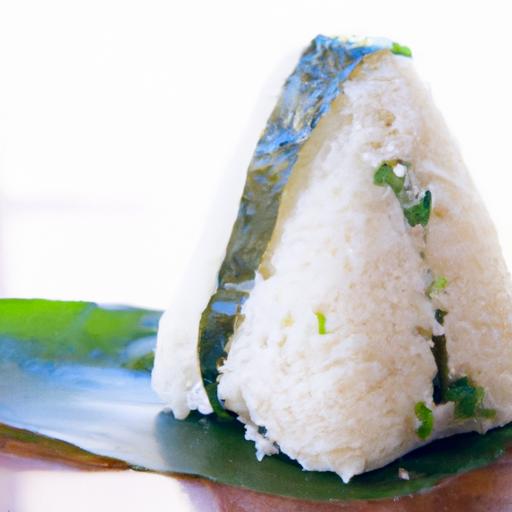

In teh bustling streets of Tokyo and the serene countryside of Kyoto alike,a humble culinary icon has quietly captured the hearts-and appetites-of japan for centuries. Onigiri, the unassuming rice triangle, is much more than just a snack; it’s a cultural emblem wrapped in simplicity and tradition. From its ancient origins as a portable meal for samurai, to its modern-day incarnations packed with inventive fillings and vibrant flavors, onigiri continues to bridge past and present with every hand-pressed bite. join us as we unwrap the story behind Japan’s beloved rice triangle delight, exploring its history, varieties, and the enduring charm that makes onigiri a timeless favorite.
Onigiri Unwrapped: Japan’s Beloved Rice Triangle Delight
Onigiri Unwrapped: Japan’s Beloved Rice Triangle Delight invites you on a flavorful journey into the heart of Japanese cuisine, where simple ingredients come together in perfect harmony. Originating centuries ago as a practical, portable meal for travelers and warriors, onigiri has evolved into an iconic culinary symbol admired for its comforting texture and endless variations. For me,onigiri embodies the warmth of home-cooked love-each triangular rice ball carefully shaped by hand,wrapped in crisp nori,and stuffed with savory treasures that tantalize the senses.
Prep and Cook Time
- Preparation: 20 minutes
- Cooking: 30 minutes (mainly rice cooking)
- Total Time: 50 minutes
Yield
makes approximately 8 medium-sized onigiri (serves 4 as a snack or light meal)
Difficulty Level
Easy to Medium – Perfect for beginners but with room to explore artistic shaping and flavor combinations
Ingredients
- 2 cups Japanese short-grain rice, rinsed until water runs clear
- 2 ½ cups water for cooking rice
- 1 teaspoon salt, plus extra for seasoning hands
- 4 sheets nori (seaweed), cut into halves or thirds
- 1 tablespoon rice vinegar (optional, for slight seasoning in rice)
- Fillings of choice:
- 2 tablespoons umeboshi (pickled plum), pitted and chopped
- 3 tablespoons cooked salmon flakes, lightly salted
- 2 tablespoons seasoned kombu or tsukudani (seaweed simmered in soy sauce)
- 3 tablespoons spicy tuna mix (tuna, mayo, sriracha)
- Optional garnish: toasted sesame seeds, shiso leaf, or bonito flakes
Instructions
- Prepare the rice: Rinse the rice under cold water until the water runs clear. Drain well. Combine rice and water in a rice cooker or pot. Cook according to your rice cooker instructions or bring to a boil, then cover and simmer for 15 minutes. Let rice rest covered off heat for 10 minutes.
- Season the rice: Transfer cooked rice into a large bowl. Gently fold in 1 teaspoon salt and the rice vinegar (if using) with a wooden paddle or spatula. Be careful not to mash the grains – the texture should remain fluffy and sticky.
- Prepare your fillings: While rice cools slightly, have your fillings ready. ensure fillings are cool to the touch before filling to avoid soggy onigiri.
- Shape the onigiri: Wet your hands with water and sprinkle with a little salt to prevent sticking and to season the rice balls. Take a small handful (about ½ cup) of rice, flatten it slightly in your palm. Place 1 teaspoon of filling in the center, then carefully mold the rice around it into a firm triangle, pressing gently but firmly.
- wrap each onigiri: wrap a strip of nori around the base or completely encase one side for texture contrast and ease of handling.
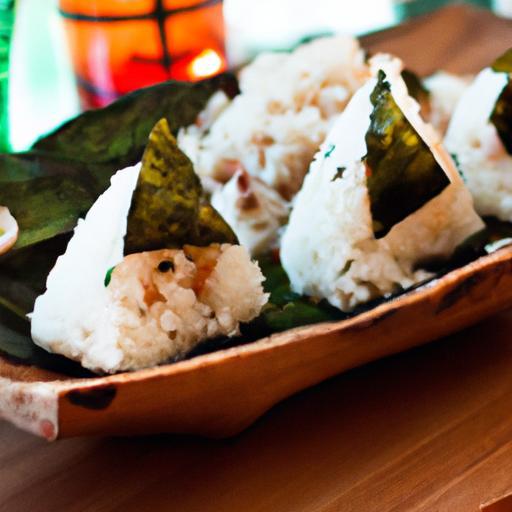
- Serve: Transfer to a plate lined with parchment or bamboo leaf. repeat until all rice and fillings are used.
Tips for Success
- Use high-quality short-grain rice for the ideal sticky texture – avoiding sticky,clumpy or to dry rice is key.
- Adjust salt amount in rice and on hands to suit your palate, especially if using salty fillings like salmon or kombu.
- Keep your hands moist to prevent rice from sticking while shaping.
- Try different shapes! Besides triangles, onigiri can be round or cylindrical, each offering a unique aesthetic and bite experience.
- Make onigiri ahead of time and wrap tightly in plastic wrap; it keeps well at room temperature for a few hours but is best enjoyed fresh.
Serving Suggestions
onigiri is a versatile treat – best enjoyed at room temperature. Pair with a side of warm miso soup for a comforting meal. Garnish with toasted sesame seeds, a hint of shiso leaf, or a sprinkle of katsuo bonito flakes for umami depth. For an outdoor picnic, place onigiri in a customary bamboo bento box with pickled vegetables and green tea for an authentic Japanese experience.

Popular Fillings & Flavor Combinations for Every Palate
The charm of onigiri lies in its endless filling possibilities, catering to every taste-from traditional to adventurous. Classic fillings like umeboshi offer a tangy punch, while grilled salmon flakes infuse smoky richness.Vegetarians might delight in seasoned kombu or pickled vegetables. Explore modern twists like spicy tuna mayo or ume-shiso (plum and shiso leaf) blends to invigorate your palate. Mixing textures-soft rice, crisp nori, and savory fillings-creates a harmony that keeps onigiri eternally beloved.
| Nutrient | Per Onigiri (approx.) |
|---|---|
| Calories | 180 kcal |
| protein | 4 g |
| Carbohydrates | 36 g |
| Fat | 1 g |
Where to Find the Best Onigiri Spots Across Japan
Iconic onigiri shops-such as Omusubi kyoto-are scattered throughout Japan, each boasting secret recipes and local twists. Convenience stores like 7-Eleven and Lawson surprisingly serve up some of the freshest, most affordable onigiri, perfect for travel meals. Sushi markets, street vendors, and traditional izakayas also offer artisanal renditions worth seeking out. When you find your favorite spot, remember to enjoy onigiri with matching sake or green tea, accentuating its subtle flavors and cultural richness.
For more inspiring Japanese dishes to try at home, check out our Japanese Bento Recipes collection.
Q&A
Q&A: Onigiri Unwrapped – japan’s Beloved Rice Triangle Delight
Q1: What exactly is onigiri?
A1: onigiri, often called rice balls, are hand-shaped morsels of seasoned rice molded into triangular or oval shapes, sometimes wrapped in a crisp sheet of nori (seaweed). More than just a snack, onigiri is a nostalgic comfort food that’s been a staple of Japanese lunchboxes for centuries.
Q2: Why is onigiri shaped like a triangle?
A2: The triangular shape is both practical and symbolic. Practically, it fits comfortably in the hand and pockets of traditional bento boxes, making it perfect for picnics and travel. Symbolically, some say the triangle represents mountains-an homage to Japan’s stunning natural landscapes and reverence for nature.
Q3: what are common fillings inside onigiri?
A3: Onigiri fillings range from salty to savory and sweet to umami-rich. Classic favorites include umeboshi (pickled plum),grilled salmon,tuna with mayo,kombu (kelp),and tarako (cod roe). Some modern twists even feature spicy chicken or teriyaki beef, delighting adventurous taste buds.
Q4: How is onigiri different from sushi?
A4: While both are rice-based, onigiri uses plain or lightly salted rice, shaped by hand and filled or wrapped for convenience. sushi typically involves vinegared rice paired with raw fish or vegetables and is presented with a focus on artistry. Onigiri is the humble, everyday hero; sushi is the elegant culinary art form.
Q5: Can you make onigiri at home easily?
A5: Absolutely! Onigiri is wonderfully approachable. You’ll need cooked japanese short-grain rice (sticky and perfect for molding), your choice of fillings, and some nori sheets if you like. With a bit of practice, your hands will form perfect triangles in no time. Bonus: it’s a fun way to get creative with flavors!
Q6: Why is onigiri so beloved in Japan?
A6: Onigiri holds a special place in Japanese hearts due to its simplicity, nostalgia, and versatility. It’s comfort food, a handy meal, and a cultural icon all rolled into one. It’s often associated with care-grandparents making onigiri for their grandchildren, or a quick bite made by a loving family member, wrapping warmth in rice.
Q7: Are there seasonal or regional variations of onigiri?
A7: Yes! In Japan, local ingredients inspire regional onigiri variations-from Akita’s savory salmon flakes to Okinawa’s tropical fillings. Seasonal ingredients like fresh bamboo shoots or chestnuts also make their way into onigiri, celebrating Japan’s rich food culture and rhythms of nature.Q8: What’s the best way to enjoy onigiri?
A8: Enjoy onigiri fresh and slightly warm for the best texture and flavor. Pair it with a cup of green tea or miso soup for a simple, satisfying meal. Whether perched atop a mountain trail, at a bustling train station, or in a cozy home, onigiri carries a taste of Japan’s heart wherever you go.
Unwrapping the story of onigiri reveals a delicious symbol of japanese tradition-simple,handcrafted,and endlessly comforting. Next time you bite into that humble rice triangle, savor not just the flavor but the rich culture behind every grain.
Insights and Conclusions
As the final grains of rice settle and the savory whispers of seaweed fade, Onigiri stands proud-not just as a humble snack, but as a vibrant emblem of Japan’s culinary spirit. Wrapped in simplicity yet bursting with history and flavor, this triangular treasure continues to bridge tradition and modern life, inviting every hand to shape a story, every bite to savor a moment. Whether enjoyed on bustling city streets, tranquil countryside, or from a convenience store’s humble shelves, Onigiri remains a timeless testament to the art of turning everyday ingredients into something truly extraordinary. So next time hunger calls, remember: sometimes, the most unassuming triangle holds the richest tales.