
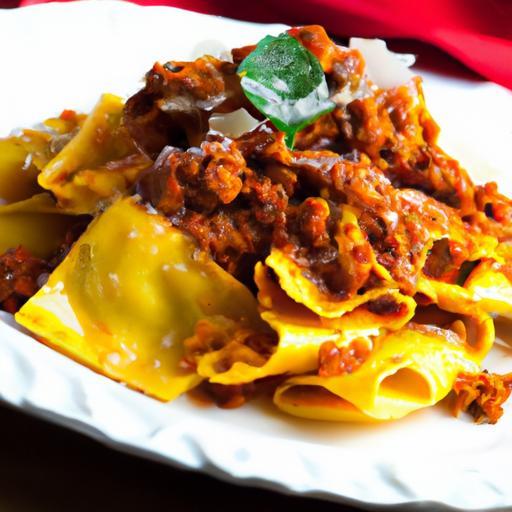
In the rich tapestry of Italian cuisine, few dishes evoke the warmth of home and heritage quite like Pappardelle Bolognese. This hearty pasta, with its wide ribbons of freshly made pappardelle bathed in a slow-simmered, savory Bolognese sauce, is more than just a meal-it’s a celebration of tradition, patience, and regional pride. Rooted deeply in the Emilia-Romagna region, the classic Bolognese melds simple, high-quality ingredients into a symphony of flavors that have been perfected over generations. join us as we explore the origins, the art of crafting this treasured dish, and why pappardelle Bolognese remains a beloved staple on Italian tables worldwide.
Pappardelle Bolognese evokes the heart and soul of Emilia-romagna’s culinary heritage, where tradition and rich flavors converge in a sumptuous ragù that clings lovingly to broad ribbons of fresh pappardelle.This classic Italian dish is more than a meal; it’s a celebration of time-honored techniques and the finest ingredients, simmered slowly to develop complexity and warmth that soothe the senses. Whether you’re recreating a family memory or discovering Italian authenticity for the first time, the journey through this recipe offers both comfort and culinary inspiration.
Prep and Cook Time
- Preparation: 30 minutes
- Cook Time: 2 hours 30 minutes (slow simmering essential)
- Total Time: 3 hours
Yield
- Serves: 6 generous portions
Difficulty level
- Medium – Perfect for home cooks ready to embrace a rewarding slow-cooked sauce
Ingredients
- 3 tbsp extra virgin olive oil
- 50 g unsalted butter
- 1 large yellow onion, finely diced
- 2 celery stalks, finely chopped
- 2 medium carrots, peeled and finely diced
- 200 g pancetta or unsmoked guanciale, diced
- 500 g lean ground beef (preferably 80% lean)
- 300 g ground pork
- 200 ml whole milk
- 150 ml dry white wine
- 800 g canned San Marzano tomatoes, crushed by hand
- 2 tbsp tomato paste
- Salt and freshly ground black pepper to taste
- 1 tsp freshly grated nutmeg
- Fresh parsley (for garnish)
- 400 g fresh pappardelle pasta
Instructions
- Prepare the soffritto: In a large heavy-bottomed pot, heat the olive oil and butter over medium heat. Add the onion, celery, and carrots, sautéing until softened and golden, about 8-10 minutes. Stir occasionally to prevent browning to quickly.
- Add pancetta: Stir in the diced pancetta, cooking until it releases its fat and becomes crisp, about 5 minutes.
- Brown the meat: Raise the heat to medium-high and add the ground beef and pork,breaking it apart with a wooden spoon. Sauté until fully browned and no longer pink,approximately 10 minutes,stirring to ensure even cooking.
- Introduce milk: pour in the whole milk and add the nutmeg. Simmer gently, stirring frequently, until the milk reduces and almost evaporates, about 15 minutes. This step softens the acidity of the tomatoes later and tenderizes the meat.
- Deglaze with wine: Add the white wine,stirring to release any browned bits from the pot bottom.Allow it to reduce by half, about 10 minutes.
- incorporate tomatoes and paste: Add the crushed San Marzano tomatoes and tomato paste. Stir well, then season lightly with salt and freshly cracked pepper.
- Slow simmer: Reduce the heat to low, cover partially, and let the sauce simmer gently for 2 to 2.5 hours. Stir occasionally, adding a splash of water if the sauce reduces too quickly. The slow simmering develops deep, layered flavors essential for authentic Pappardelle Bolognese.
- Cook the pasta: Bring a large pot of salted water to a rolling boil. Cook fresh pappardelle for 2-3 minutes or until al dente. Reserve a cup of pasta water before draining.
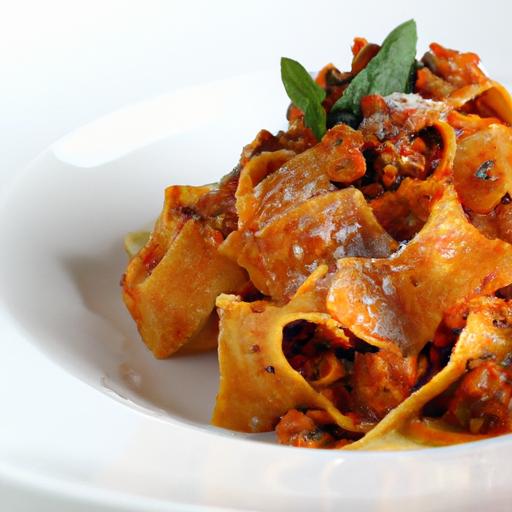
- Combine and serve: Toss the drained pappardelle with a generous ladle of Bolognese sauce, adding reserved pasta water as needed to achieve a silky coating. Serve immediately with a sprinkling of freshly chopped parsley and a dusting of Parmigiano-Reggiano.
Tips for Success
- ingredient quality is paramount: Use fresh vegetables finely diced for a smooth ragù texture, and avoid lean meats that can dry out during long cooking.
- Patience is key: Resist the urge to rush the simmering process; slow cooking melds flavors and tenderizes the meat beautifully.
- Make-ahead potential: Pappardelle Bolognese tastes even better the next day – refrigerate overnight and gently reheat on low,adding a splash of broth or wine.
- Substitutions: Guanciale offers a richer flavour than pancetta, but both work well. For a lighter twist, turkey mince can partially replace pork.
- Fresh pasta vs dry: Fresh pappardelle is ideal for its tender texture and porous surface that clings to sauce perfectly. if unavailable, opt for high-quality dried pappardelle.
Serving Suggestions
Plate this hearty Pappardelle Bolognese in wide, shallow bowls to showcase the wide ribbons coated generously in ragù. Garnish with a handful of fresh flat-leaf parsley and a shower of pure Parmigiano-Reggiano flakes. Accompany with rustic garlic bread and a simple arugula salad lightly tossed in lemon vinaigrette to cut through the richness.
Pairing Pappardelle Bolognese with Wines and Side dishes for a Complete Experience
The fullness of Pappardelle Bolognese calls for wines with enough body and acidity to match its bold flavors.Classic pairing options include a glass of Sangiovese from Tuscany or a robust Barbera d’Alba – both boasting shining cherry notes and earthy undertones. For those seeking international appeal, a glass of Chianti Classico or a structured Rioja will also complement the dish beautifully.
Side dishes should contrast yet complement the rich ragù. Consider sautéed seasonal greens like spinach or Swiss chard with garlic and chili flakes. Herb-roasted root vegetables or a Caesar salad with crunchy croutons add texture and freshness.
| Nutrient | Amount per Serving |
|---|---|
| Calories | 620 kcal |
| Protein | 38 g |
| Carbohydrates | 55 g |
| Fat | 25 g |

Discover more classic pasta dishes in our Traditional Italian Pasta Recipes collection and expand your Italian culinary repertoire. For authentic insights into the history of ragù and Italian regional cooking, visit The Accademia Italiana della Cucina.
Q&A
Q&A: Pappardelle Bolognese – A Hearty Taste of italian tradition
Q1: What is Pappardelle Bolognese?
A1: Pappardelle Bolognese is a soul-warming Italian classic that marries wide, ribbon-like pasta called pappardelle with a rich, slow-cooked Bolognese sauce. originating from Bologna, Italy, this dish celebrates rustic flavors through a hearty ragù made with minced meat, tomatoes, and aromatic veggies, all simmered to perfection.
Q2: How does pappardelle pasta differ from other types of pasta?
A2: unlike thin pastas such as spaghetti or linguine, pappardelle is broad and flat, typically about ¾ to 1 inch wide. Its generous surface area makes it ideal for holding thick,meaty sauces like Bolognese,ensuring each bite is packed with flavor and texture.
Q3: What’s unique about the traditional Bolognese sauce?
A3: Traditional Bolognese, or ragù alla Bolognese, is a slow-simmered masterpiece of minced beef (sometimes mixed with pork), soffritto (onion, carrot, and celery), tomato purée, wine, and a touch of milk or cream. It’s more about depth and balance than just tomato heft, giving it a hearty, velvety richness that clings beautifully to pasta.
Q4: Can I make Pappardelle Bolognese gluten-free or vegetarian?
A4: Absolutely! Swap traditional wheat pappardelle for gluten-free pasta or homemade versions using alternative flours. For a vegetarian twist, substitute the meat with lentils, mushrooms, or textured vegetable protein and replicate the slow-cooked ragù essence with robust vegetable broth and umami-rich seasonings.
Q5: Why is slow cooking critically important for Bolognese sauce?
A5: Patience is key. Slow cooking allows the flavors to meld and the meat to tenderize, transforming simple ingredients into a harmonious and deeply satisfying sauce. The gentle simmer extracts maximum essence from each component, creating the signature warm and comforting taste.Q6: How should Pappardelle Bolognese be served for an authentic experience?
A6: Serve it piping hot, freshly tossed with the sauce so every ribbon is lovingly coated.Traditionally, it’s finished with a generous grating of Parmigiano-Reggiano cheese and paired with a robust red Italian wine, such as Sangiovese or Barolo, to complement the richness.
Q7: What makes Pappardelle Bolognese a symbol of Italian culinary tradition?
A7: This dish encapsulates the Italian ethos of simple ingredients elevated by time,technique,and love. It tells a story of regional pride, family kitchens, and the art of turning humble staples into something spectacularly comforting and timeless. Pappardelle Bolognese is more than food-it’s a celebration of heritage.
Closing Remarks
As the rich, savory aroma of Pappardelle Bolognese lingers on your palate, you’re reminded that this dish is more than just a meal-it’s a warm embrace from Italy’s culinary heritage. Each ribbon of pasta, lovingly coated in the slow-simmered meat sauce, tells a story of generations who perfected the art of comfort food. Whether enjoyed in a bustling trattoria or your own kitchen, Pappardelle Bolognese invites you to savor not only its hearty flavors but also the timeless tradition that makes Italian cuisine so beloved around the world. So next time you twirl those broad noodles, take a moment to appreciate the rich history simmering beneath that tasty sauce-a true taste of Italy’s heart and soul.