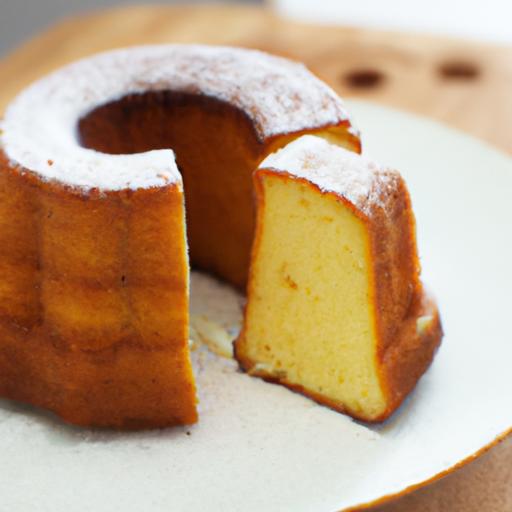

There’s something undeniably enchanting about the delicate, golden sponge of a perfectly baked Castella cake-a Japanese treat that’s as much a feast for the eyes as it is indeed for the palate. Originating from centuries-old traditions, this simple yet elegant cake boasts a moist, airy texture and a subtly sweet flavor that captivates both novice bakers and seasoned patisserie aficionados alike. If you’ve ever wondered how to recreate this masterpiece in your own kitchen, you’re in the right place. In this article, we’ll guide you through every careful step to master the art of Castella cake, transforming humble ingredients into a slice of history and happiness.Ready your whisk and let’s embark on a baking journey that’s as rewarding as the cake itself.
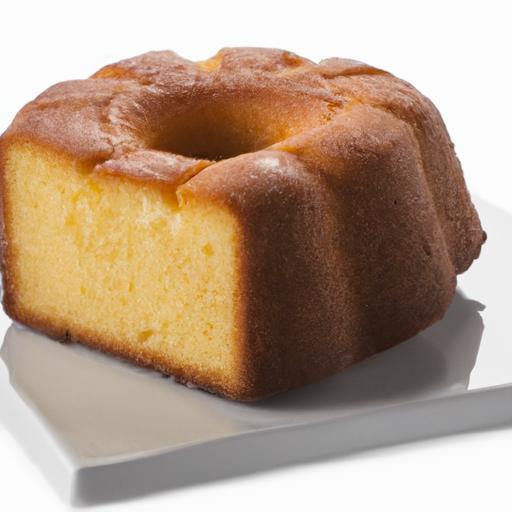
Master the Art of Castella Cake begins with understanding this iconic Japanese sponge cake’s rich heritage and its uniquely delicate texture. Originating from Portuguese traders in the 16th century, Castella evolved into a symbol of Japanese confectionery finesse-distinct for its fine, airy crumb and a golden, slightly caramelized crust that cradles a silky, moist interior. Every bite offers a subtle sweetness paired with an almost custard-like softness that melts effortlessly on the tongue, inviting both novices and seasoned bakers to recreate a piece of history in their own kitchens.
Prep and Cook Time
- Preparation: 20 minutes
- Resting: 10 minutes (before baking)
- Baking: 50-60 minutes
- Total Time: Approximately 1 hour 30 minutes
Yield
one 8 x 4-inch loaf, serving 8 generous slices
Difficulty Level
Medium – Requires careful whisking and attention to oven temperature
Ingredients
- 6 large eggs, at room temperature
- 200g (1 cup) granulated sugar
- 120g (1 cup) bread flour, sifted
- 60ml (1/4 cup) whole milk, warmed
- 40g (3 tbsp) unsalted butter, melted and cooled
- 1 tbsp honey (preferably mild-flavored)
Instructions
- Prepare the batter. Preheat your oven to 160°C (320°F).Line an 8 x 4-inch loaf pan with parchment paper, ensuring excess paper extends beyond the edges for easy removal later.
- whisk the eggs and sugar. Using a stand mixer or hand whisk, beat eggs and sugar on high speed until pale, fluffy, and thick enough to form ribbons. This takes about 10-12 minutes and is crucial-this aeration creates the signature light texture.
- Sift flour carefully. Gradually fold the sifted bread flour into the egg mixture.Use a gentle folding motion with a spatula to preserve the airy volume. Avoid overmixing.
- Combine warm milk, melted butter, and honey. Slowly drizzle this blend into the batter, folding softly and steadily until fully incorporated. This step adds silkiness without deflating the batter.
- Pour and smooth the batter. Transfer your batter into the prepared pan and gently tap it on the counter twice to release large air bubbles.
- Bake with patience. place the pan in the oven’s center rack. Bake for 50-60 minutes until the top is a rich golden brown and a skewer inserted in the center emerges clean. During baking, avoid opening the oven to keep the temperature steady.
- Cool properly. remove the cake from the oven and immediately invert the pan onto a wire rack using the parchment edges. This prevents shrinkage and retains moisture. Onc cooled completely, unwrap and transfer to a serving board.
Tips for Success
- Use bread flour for its higher protein content which strengthens the delicate crumb structure, differentiating Castella from other sponges.
- Tilt eggs at room temperature whisked until tripled in volume; this is the foundation of the cake’s airy texture.
- Be gentle when folding the flour and liquid mixture; aeration is key for the fluffy, silky batter that defines Castella.
- For the honey, choose a mild Japanese acacia or orange blossom honey to complement, not overpower, the flavor.
- If your oven runs hot,use an oven thermometer and consider raising the pan higher or lowering the temperature slightly to avoid excessive browning.
- Allow the cake to rest, preferably overnight, wrapped tightly in plastic wrap to deepen flavor and soften texture before slicing.
Serving Suggestions
Castella is best enjoyed simply, allowing its gentle sweetness to shine.Slice into thick wedges and present on minimalist white porcelain plates to heighten the visual contrast of its golden surface and creamy interior. Enhance with a dollop of lightly whipped cream or paired with green tea-a traditional favorite. for a modern twist, accompany with fresh berries or a drizzle of yuzu syrup to add brightness. A dusting of powdered sugar also adds a delicate, snow-like finish perfect for elegant gatherings.
| Nutrient | Per serving (1 slice) |
|---|---|
| Calories | 180 kcal |
| Protein | 5 g |
| Carbohydrates | 28 g |
| Fat | 5 g |
for further exploration of traditional Japanese sweets, you might enjoy our detailed guide on Japanese Desserts Guide. To deepen your understanding of egg-based sponge cakes globally, a well-referenced resource can be found at the Culinary Institute of America.

Q&A
Q&A: master the Art of Castella Cake: A Step-by-Step Recipe
Q1: What is Castella cake, and what makes it special?
A: Castella cake, or “Kasutera,” is a traditional Japanese sponge cake with Portuguese origins. Its hallmark is a beautifully fine, moist crumb with a delicate honey aroma and a golden-brown, slightly caramelized top. What makes Castella special is its simplicity-minimal ingredients combine to create a light, fluffy texture that melts in your mouth.
Q2: which ingredients are essential to mastering Castella?
A: The magic hinges on just four ingredients: high-quality eggs, fine granulated sugar, bread flour, and honey. The key is balancing these with precise measurements and technique-too much flour or sugar, and you’ll lose that signature delicate texture and moisture.
Q3: Why is the mixing technique so critically important in this recipe?
A: Achieving the perfect Castella crumb relies on aeration.Whipping the eggs and sugar until they’re pale and fluffy creates the batter’s airy backbone. Gently folding in the flour preserves this air, ensuring your cake rises evenly and boasts that soft, springy bite.
Q4: Can you explain the baking process and temperature control?
A: Castella is baked slowly at a moderate temperature, usually around 320°F (160°C), to develop its characteristic golden crust without overbaking. using a water bath or placing a small pan of water in the oven can definitely help maintain humidity, keeping the cake moist and preventing cracking.
Q5: How long should I let the cake rest before slicing, and why?
A: Patience is key! Letting the cake cool completely-and ideally resting overnight wrapped in plastic wrap-allows moisture to redistribute evenly. This results in a tender crumb with a clean cut and richer flavor. Slicing too soon risks a crumbly texture.Q6: Are there any creative twists or flavor variations for Castella?
A: Absolutely! while traditional Castella is pure and honey-sweet, you can infuse matcha powder for a verdant hue and earthy flavor or add a touch of vanilla extract for warmth. Some even fold in grated citrus zest for a fresh, vibrant note. Just remember, subtlety shines best with this delicate cake.
Q7: What common mistakes should I avoid when making Castella?
A: Overmixing flour can deflate the batter; underwhipping eggs results in a dense texture; baking at too high a temperature causes cracks or dryness; and slicing too soon leads to crumbling. Following each step carefully will ensure your Castella emerges flawless.
Q8: How can mastering Castella cake enhance my baking skills?
A: Castella teaches precision, patience, and respect for technique-hallmarks of remarkable baking. Its deceptively simple ingredients push you to refine egg-whipping, folding, and temperature control skills, laying a strong foundation for more complex recipes.
Ready to whisk, fold, and bake your way to Castella mastery? This humble cake invites you to slow down, savor the process, and delight in the art of baking perfected.
To Conclude
With each fluffy,golden slice of castella cake,you’re not just tasting a dessert-you’re savoring centuries of craftsmanship and tradition. By mastering this step-by-step recipe, you’ve unlocked the secret to creating a delicate balance of texture and sweetness that delights the senses. Whether you enjoy it as a simple afternoon treat or as the centerpiece of a special occasion, your homemade castella is a testament to patience, precision, and artistry. So next time you slice into your creation, remember: you’re carrying forward a tasty legacy, one perfect bite at a time. Happy baking!